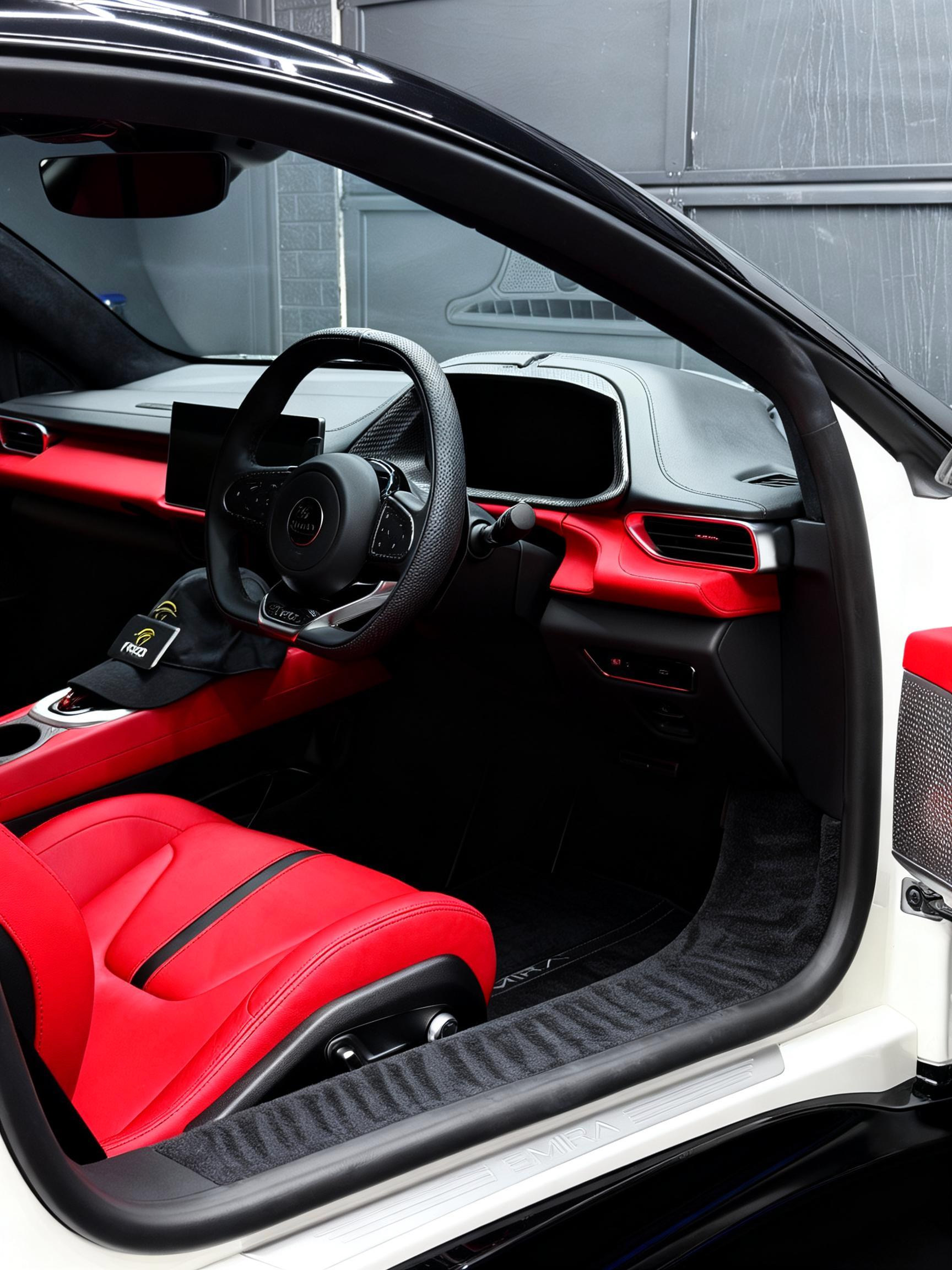
Interior Protection
Protection should continue beyond the paintwork.
Interior surfaces are exposed to skin oils, UV, abrasion, spills and everyday use. Proper preparation and protection can make them easier to maintain and help preserve their condition over time.
Check Availability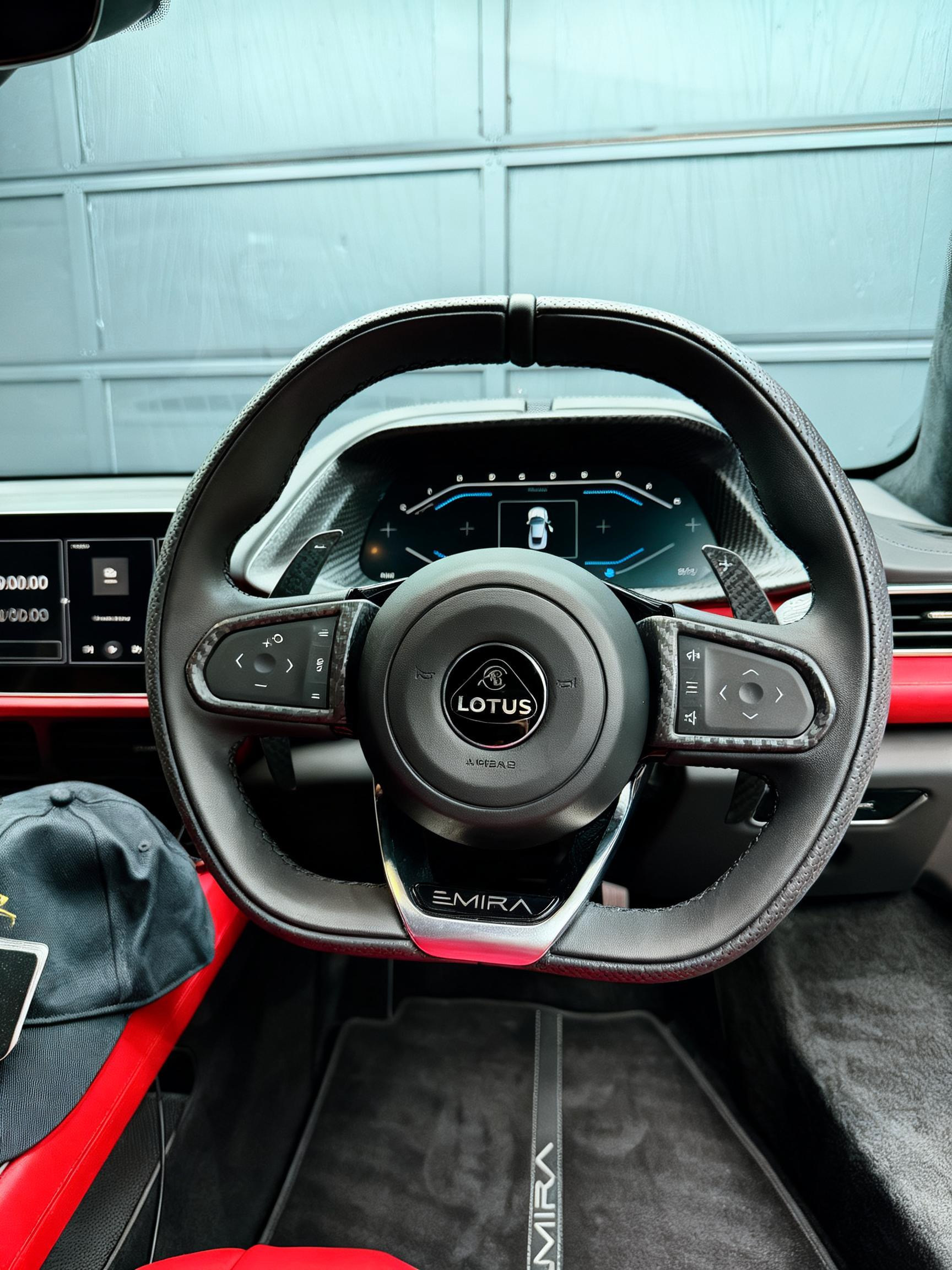
Why Interior Protection
The cabin ages every time it is used.
Seats, steering wheels, door cards, carpets and frequently touched surfaces experience a very different type of wear to exterior paint. Protection begins by preparing each material correctly, then applying a suitable product for that surface.
Easier Maintenance
Protected surfaces are generally easier to clean and maintain.
Reduced Staining
Suitable protection can reduce how readily spills and contamination penetrate absorbent materials.
High-Contact Areas
Frequently touched surfaces receive additional attention because oils, dirt and repeated contact accelerate visible wear.
Long-Term Preservation
Consistent cleaning and protection help maintain the presentation and condition of the cabin over time.
Surfaces
Every material has its own conditions.
Leather, vinyl, fabric and plastics age differently. Each requires its own preparation and protection approach.
Leather
Vinyl
Fabric
Carpet
Interior Plastics
High-Contact Surfaces
Glass Where Appropriate
Interior protection is quoted according to the vehicle, condition and surfaces being treated.
Preparation First
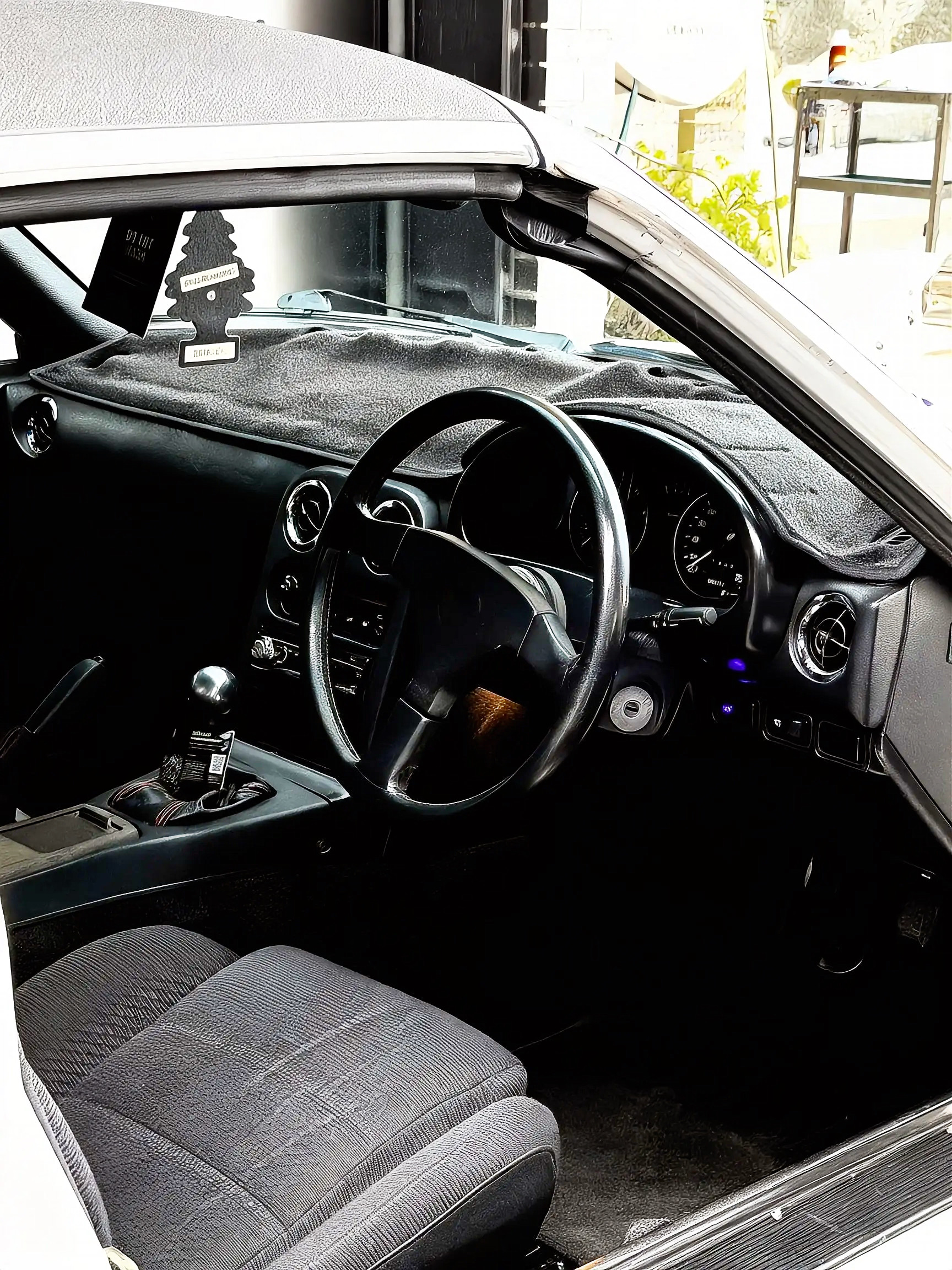
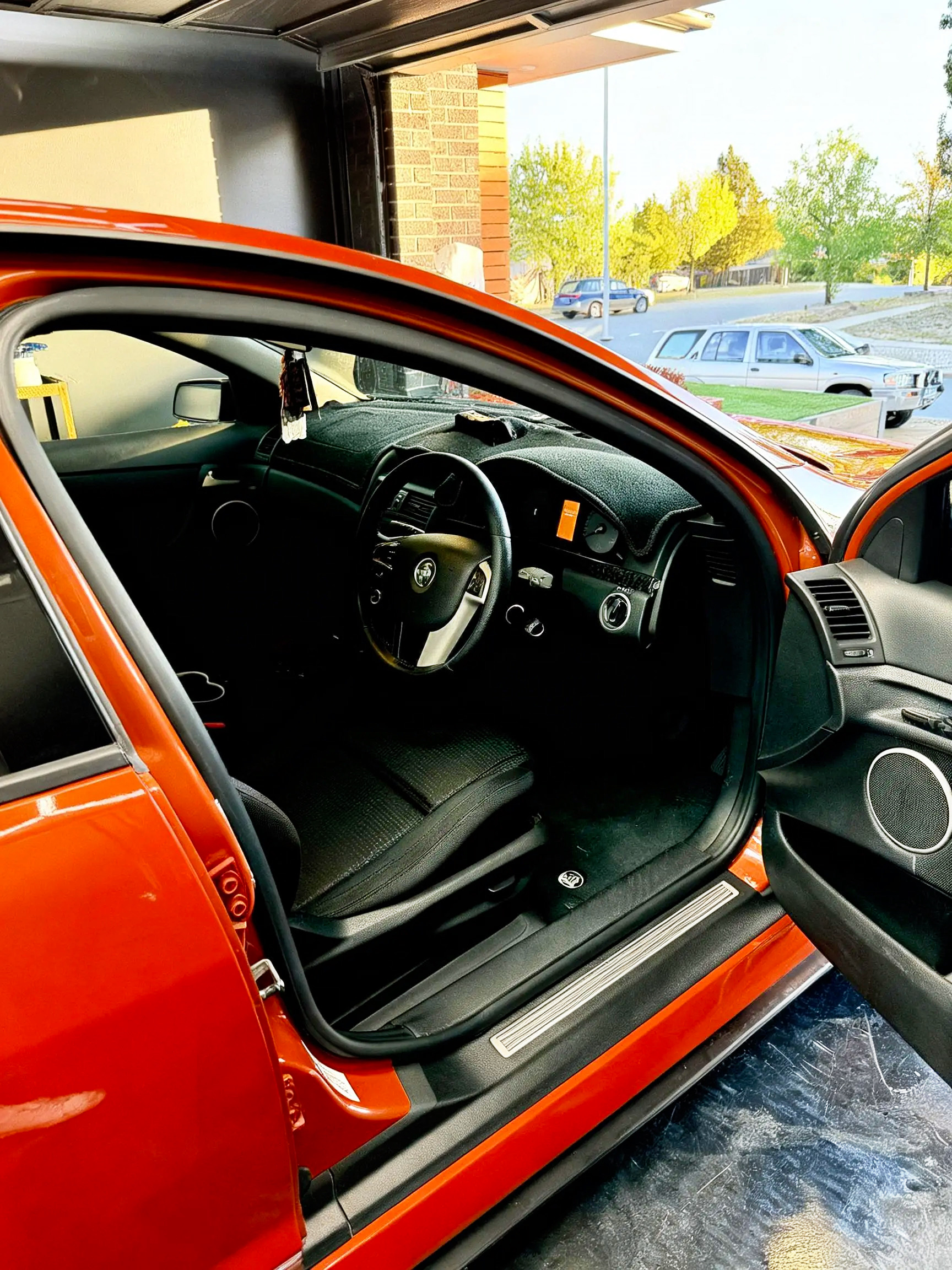
Protection only works properly on a prepared surface.
Interior coatings and fabric protection should not simply be applied over existing oils, dirt, dressing residue or embedded contamination. Before protection, surfaces are cleaned and prepared according to their material and condition.
Leather Preparation
Leather is cleaned to remove oils, contamination and previous product residue before protection is applied.
Fabric Preparation
Fabric and carpet are cleaned appropriately and allowed to dry before protective treatment.
Plastics & Vinyl
Interior trim is cleaned without leaving heavy dressings or artificial gloss behind.
High-Contact Areas
Steering wheels, armrests, door pulls and frequently touched surfaces receive focused preparation.
The Process
Different materials. Different preparation.
Deeper Access
Some interiors require more than surface-level access.
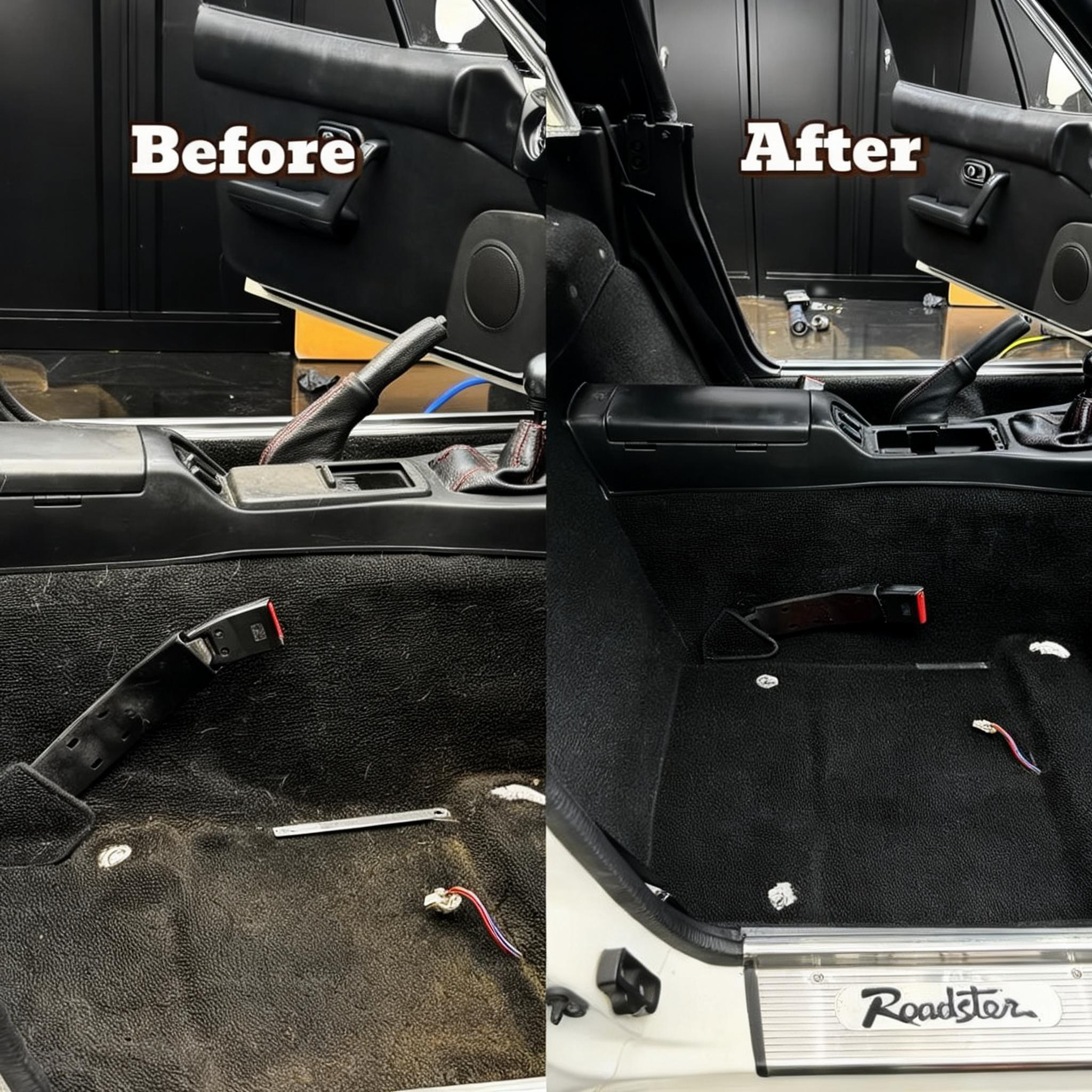
Where appropriate and safe, seat removal can provide access to areas that cannot otherwise be prepared properly. This may be considered for comprehensive interior preservation work where the condition and vehicle configuration justify it.
Seat removal is never used where manufacturer systems, electrical components, airbags, battery systems or vehicle configuration make doing so inappropriate. If a vehicle is not suitable, we will tell you and plan the work around it.
It is not theatre, and it is not proof of quality on its own — it is an access method, used only when it materially improves the result.
An Honest Note
Protection does not make an interior indestructible.
Interior protection cannot prevent abrasion, scratches, dye transfer, spills, UV exposure or everyday wear entirely. Its purpose is to create a more manageable surface and help preserve properly prepared materials when combined with appropriate ongoing care.
Interior Protection FAQ
Interior protection, answered honestly.
Next Step
Preserve the inside too.
Tell us what you're driving, the condition of the interior and what you'd like to preserve. We'll recommend the level of preparation and protection that makes sense for the vehicle.