Paint Correction
Swirls, scratches and haze don't disappear with another detail.
Paint correction carefully reduces or removes defects within the clear coat to restore clarity, depth and reflection.
Check AvailabilityWhat Correction Fixes
Defects within the clear coat.
Correction addresses defects within the upper layers of the finish — the marks that washing, waxing or another surface clean cannot simply remove.
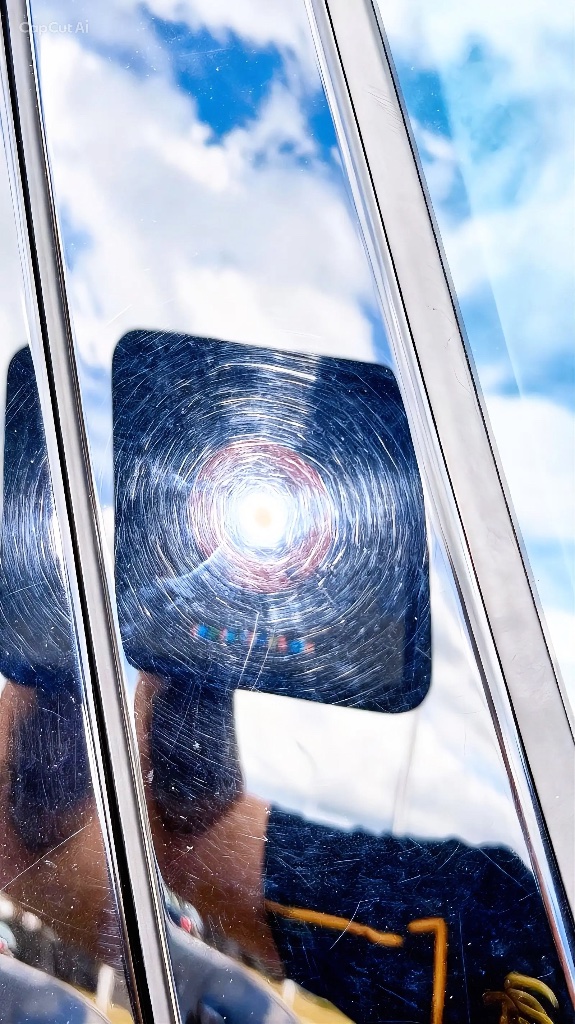
Swirl marks
Wash marring
Light scratches
Oxidation where correctable
Haze
Water-spot etching where correctable
Previous poor polishing
Sanding marks where safely correctable
Paint transfer where correctable
Not every defect should — or safely can — be removed. What we correct, and how far we go, is decided by inspection, paint condition and available clear coat — not by blindly following a package list.
Inspection First
The safest correction is the one the paint allows.
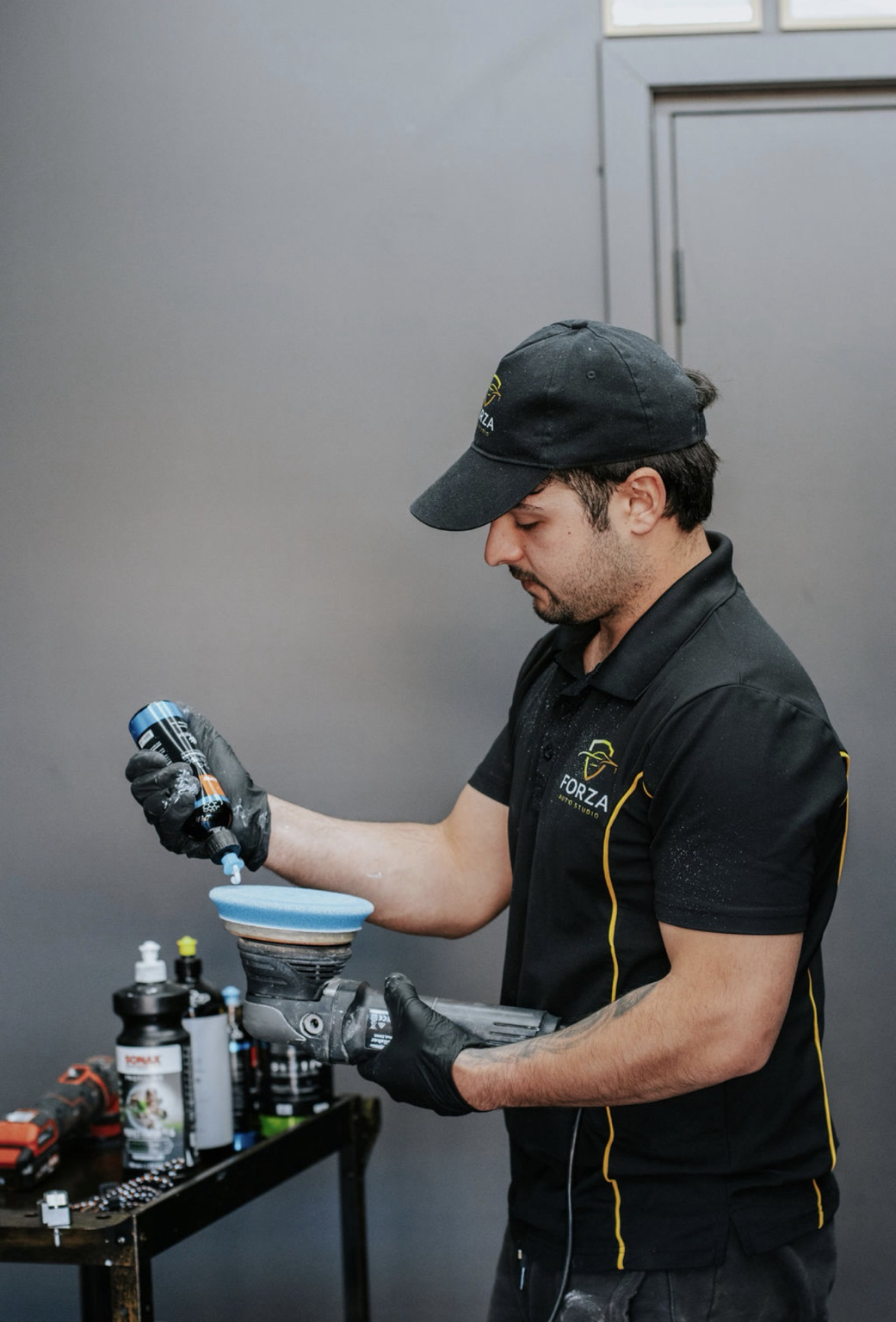
Every vehicle carries a different history. Factory paint, previous repairs, repainted panels, previous polishing and clear-coat thickness all influence how aggressively a finish should be corrected.
Paint Condition
Defects are inspected under controlled lighting before correction begins.
Paint Depth
Paint measurements help identify inconsistencies, previous repairs and areas requiring additional caution.
Vehicle History
Repainted or previously worked panels may require a different correction strategy.
Test Section
Pad, polish and machine combinations are tested before committing to the wider vehicle.
Before / After
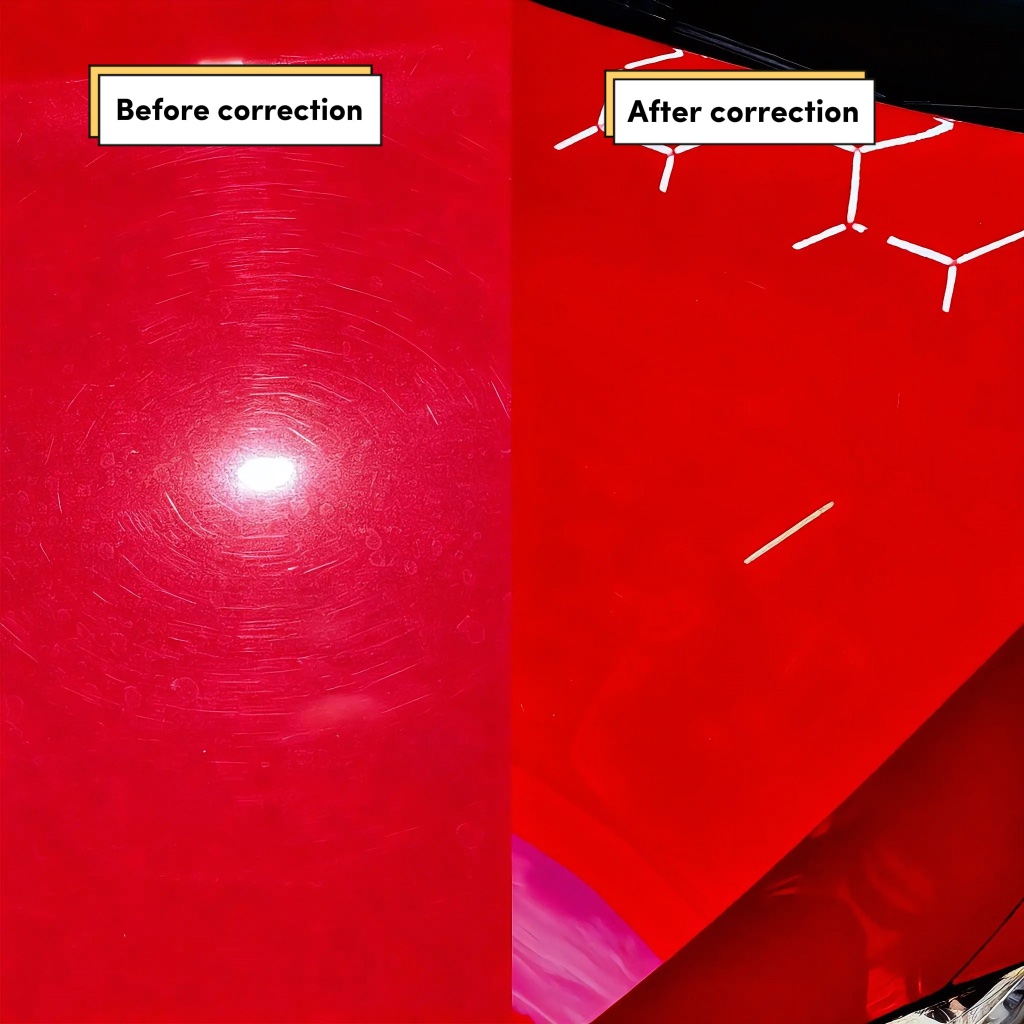
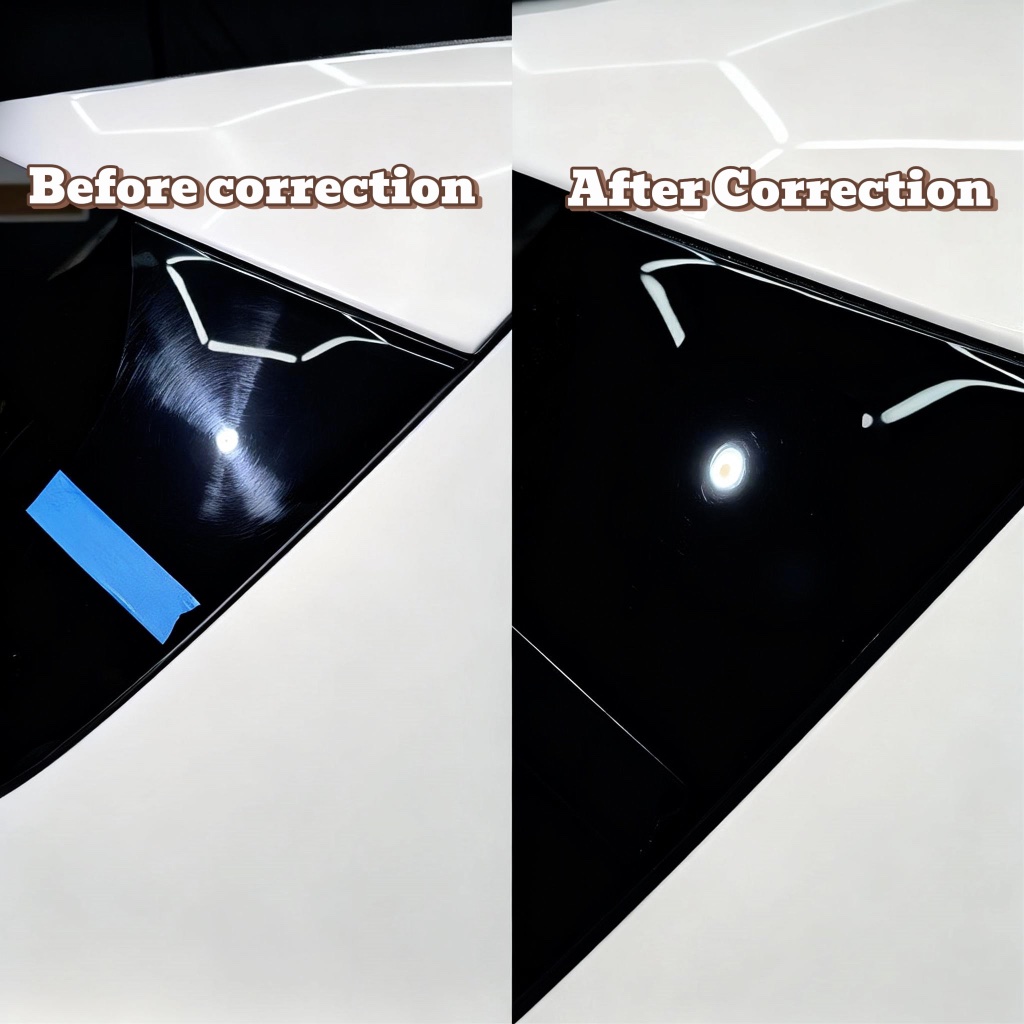
The difference should be visible under the same light.
Same panel, same inspection lighting, similar camera position — the comparison is genuine defect reduction, not two unrelated photos.
Correction Options
The level of correction follows the paint.
The final recommendation is made after inspection — the paint condition and its history decide the level, not the price list.
Option 1
Paint Enhancement
Starting from $650
Designed for paint carrying lighter wash marks, haze and reduced clarity — a significant visual improvement without unnecessarily chasing every deeper defect.
Final scope depends on vehicle condition.
Option 2
Multi-Step Paint Correction
$1,600–$2,000 indicative
For vehicles carrying heavier swirls, scratches, oxidation, sanding marks, previous poor workmanship or more significant paint defects.
The objective is the strongest safe improvement the paint allows — not unnecessary clear-coat removal simply to claim a percentage.
Selective wet sanding may be recommended for isolated defects where appropriate and where sufficient paint depth allows — indicatively from $150 per panel where required. It is not a standard step in every correction.
The Correction Process
Inspected first. Corrected properly.
After Correction
Corrected paint deserves protection.
Paint correction restores clarity by carefully levelling defects within the clear coat. Once corrected, poor washing techniques and environmental exposure can introduce new marring and contamination over time. Protecting and maintaining the finish properly helps preserve the work carried out.
Paint Correction FAQ
Paint correction, answered honestly.
Next Step
Let the paint tell us what it needs.
Tell us what you're driving, what you're seeing in the paint and what you'd like to improve. We'll assess the vehicle and recommend the level of correction that makes sense.