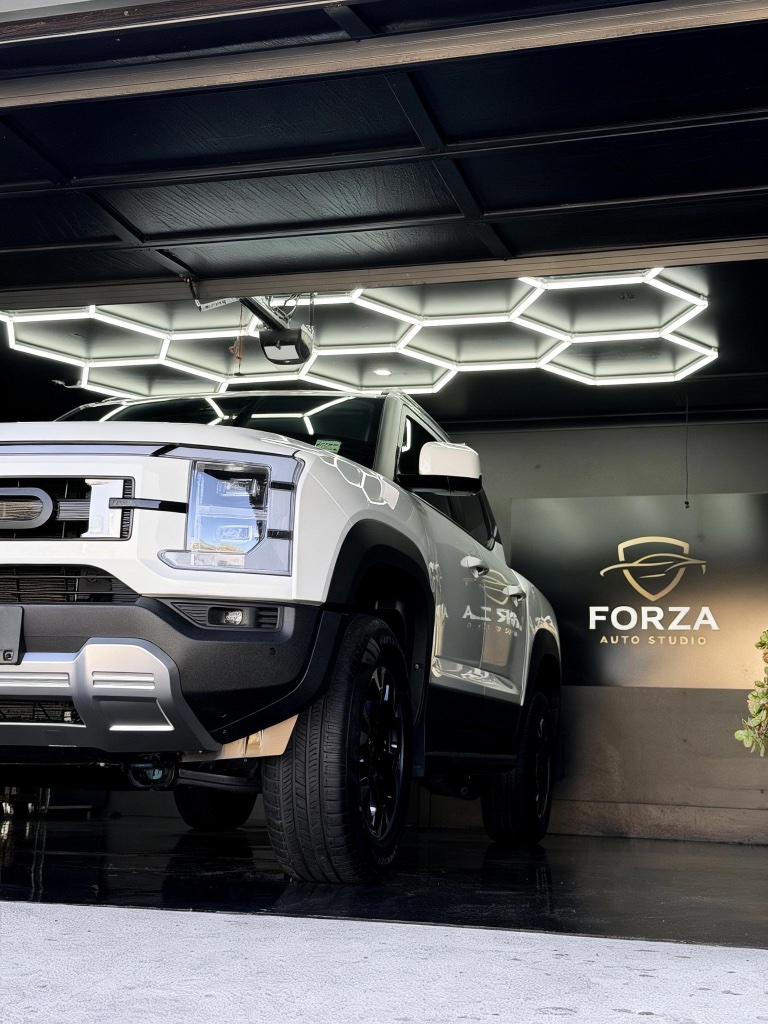

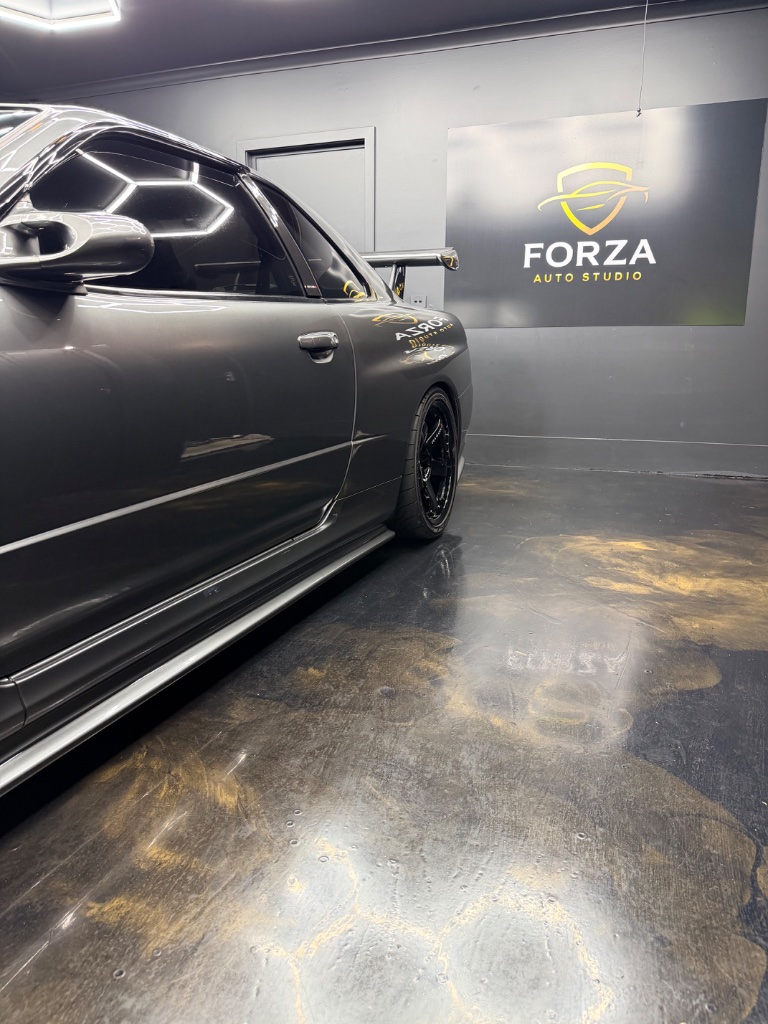
A new car can look immaculate under showroom lighting, yet still carry transport film residue, bonded contamination, water spotting or light wash-induced marring from its journey to delivery. That is why the question, are dealership coatings necessary, deserves more than a yes or no answer. A coating may be worthwhile, but the value lies in the preparation beneath it, the product selected and whether it suits how you will actually use the vehicle.
A dealership-applied coating is not automatically a poor decision, nor is it automatically essential. For some owners, it offers a convenient starting point for paint protection. For others, especially those focused on long-term vehicle preservation, a separate inspection-led process before protection is the more considered path.
What a dealership coating is designed to do
Dealership coatings are typically offered as part of the new-car delivery process. The exact product and application method can vary significantly between manufacturers, dealerships and individual vehicles. Some are ceramic-based coating systems; others may be paint sealants or protection packages sold under a proprietary name.
When correctly applied to properly prepared paintwork, a quality coating can provide practical benefits. It can increase surface slickness, reduce how strongly dirt adheres, improve water behaviour and make routine washing easier. It can also help preserve gloss by reducing the direct exposure of the clear coat to environmental contamination, bird droppings, tree sap and road grime.
These are useful benefits, particularly for a vehicle that will live outdoors or cover regular kilometres around Canberra and surrounding NSW. However, a coating is a sacrificial protective layer, not a substitute for maintenance. It does not make paint scratch-proof, prevent stone chips or remove the need for careful washing.
Are dealership coatings necessary for every new car?
No. A new vehicle does not need a dealership coating simply because it is new, and declining one does not mean leaving the paintwork unprotected forever. The better question is whether the proposed protection, preparation and maintenance plan suit the vehicle and its owner.
If the car is a leased daily driver, kept in a garage and likely to be replaced within a short period, a simple and well-maintained protection approach may be entirely appropriate. If it is a performance car, a cherished European vehicle, a classic, or a new purchase you intend to preserve for many years, there is greater reason to consider a dedicated paint correction and ceramic coating process.
The difference is not just the coating itself. It is the level of assessment before anything is applied. Fresh paintwork can still have visible paint defects, including light swirl marks, scratches, adhesive residue, water spots and fallout contamination. Applying protection over those defects may seal in the appearance rather than improve it.
Preparation matters more than the label on the package
Ceramic coating performance relies on a clean, stable and properly prepared surface. Before a coating is applied, the paintwork should be assessed under suitable lighting, then carefully washed and decontaminated. This removes bonded contaminants that normal washing does not address, including industrial fallout, brake dust residue, tar and rail dust picked up during transport.
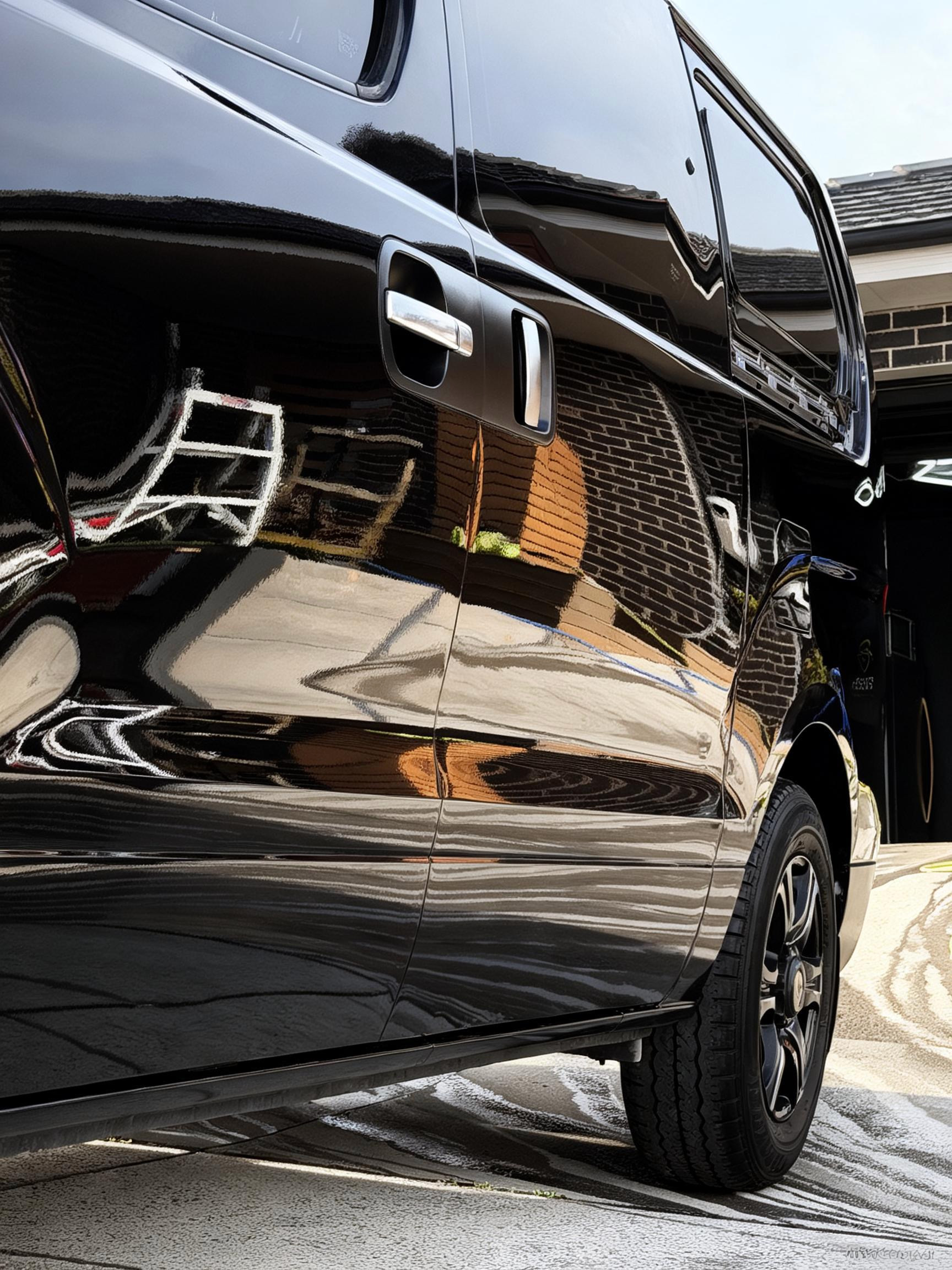
From there, paint correction may be recommended where the condition warrants it. Paint correction is the controlled refinement of the clear coat to reduce visible swirl marks, light scratches, haze, oxidation and other paint defects. It is not about chasing an unrealistic perfect finish. It is about improving clarity, depth and gloss while working safely within the available paint thickness.
Not every new car requires multi-stage correction. Some may only need a light gloss enhancement; others may need more detailed refinement after storage, transport or dealership preparation. An honest recommendation should reflect the actual condition of the individual vehicle, not a fixed package assigned to every new delivery.
Once the paintwork is prepared, the coating can bond to a cleaner surface and protect a finish that has already been refined. That is the point at which a ceramic coating delivers its most meaningful visual and maintenance benefits.
What dealership protection may not account for
The main limitation of a dealership coating is that the vehicle may be processed within a tight delivery schedule. That does not tell you anything definitive about the quality of the work, but it does mean owners should ask clear questions before agreeing to it.
Ask what product is being applied, whether the paint will be decontaminated, whether the vehicle will be inspected for paint defects and whether any correction is included. It is also reasonable to ask how the coating should be maintained and what is expected of you after collection.
A coating applied to paint that has not been fully inspected may still offer some protection, but it cannot correct the surface underneath. The result can be a car that beads water well but still shows fine marring or reduced clarity in direct sunlight. For owners who notice these details, preparation is not an optional extra. It is the foundation of the outcome.
There is also the issue of timing. If a dealership coating is applied before you collect the vehicle, you may have limited opportunity to inspect the paintwork in natural light first. Where possible, view the car before any external protection is added. This makes it easier to identify delivery-related concerns and decide what level of refinement is genuinely required.
When a specialist ceramic coating makes more sense
A specialist coating process can be the better option when the owner wants a tailored approach rather than a standard delivery add-on. This is particularly relevant where the vehicle has dark paint, complex bodywork, soft clear coat, existing defects or a high standard of presentation to maintain.
The work should begin with an inspection of the paint condition, intended use, storage, washing habits and expectations. A car driven every day through wet weather, parked outdoors and washed frequently needs a different preservation plan from a weekend vehicle that is garaged and maintained carefully.
Protection can also extend beyond painted panels when appropriate. Wheels, exterior plastics and glass may each benefit from products designed for their particular surfaces. Interior protection may be worth considering for light-coloured leather, family vehicles or cars that see frequent use. These choices should be practical, not automatic.
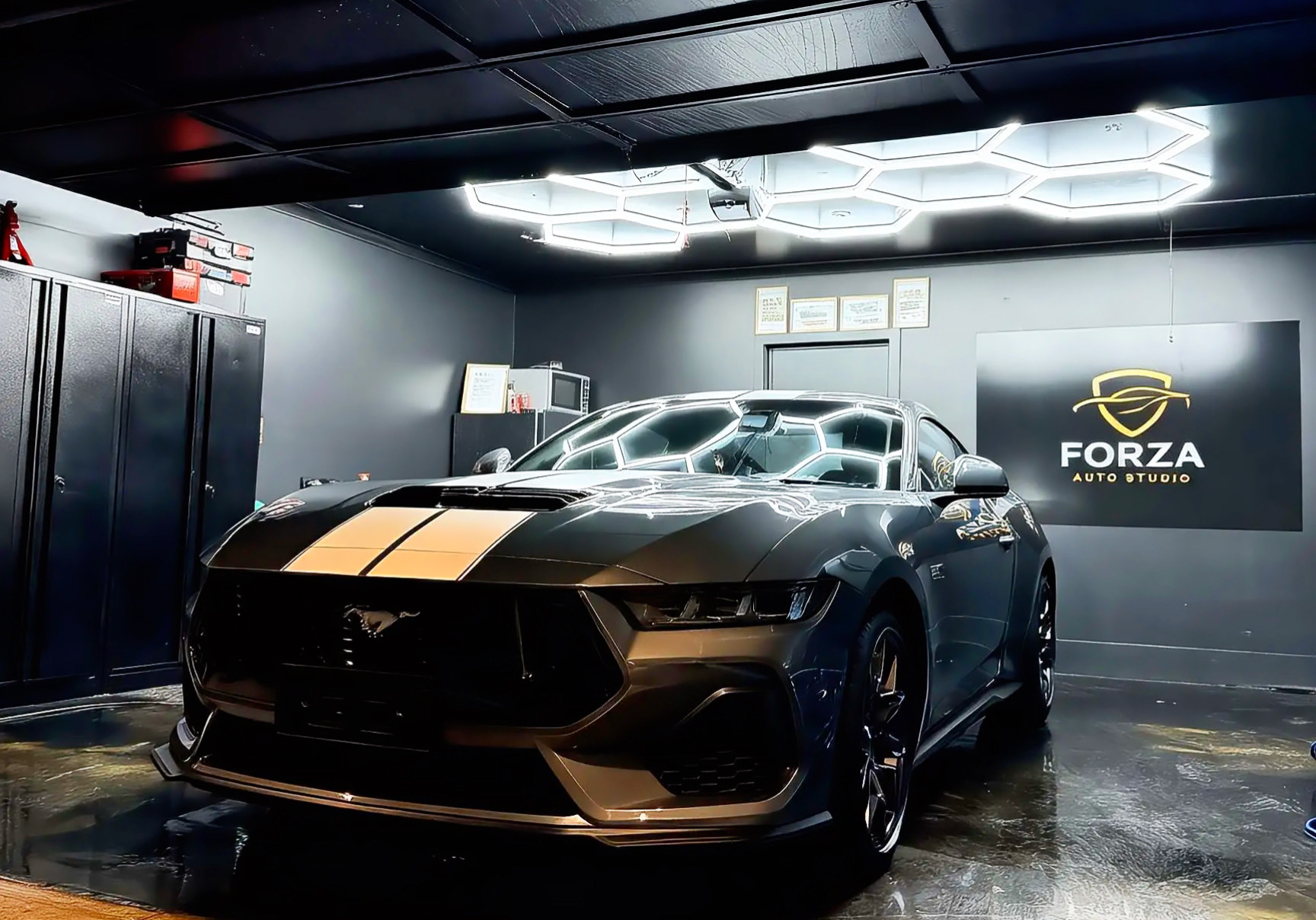
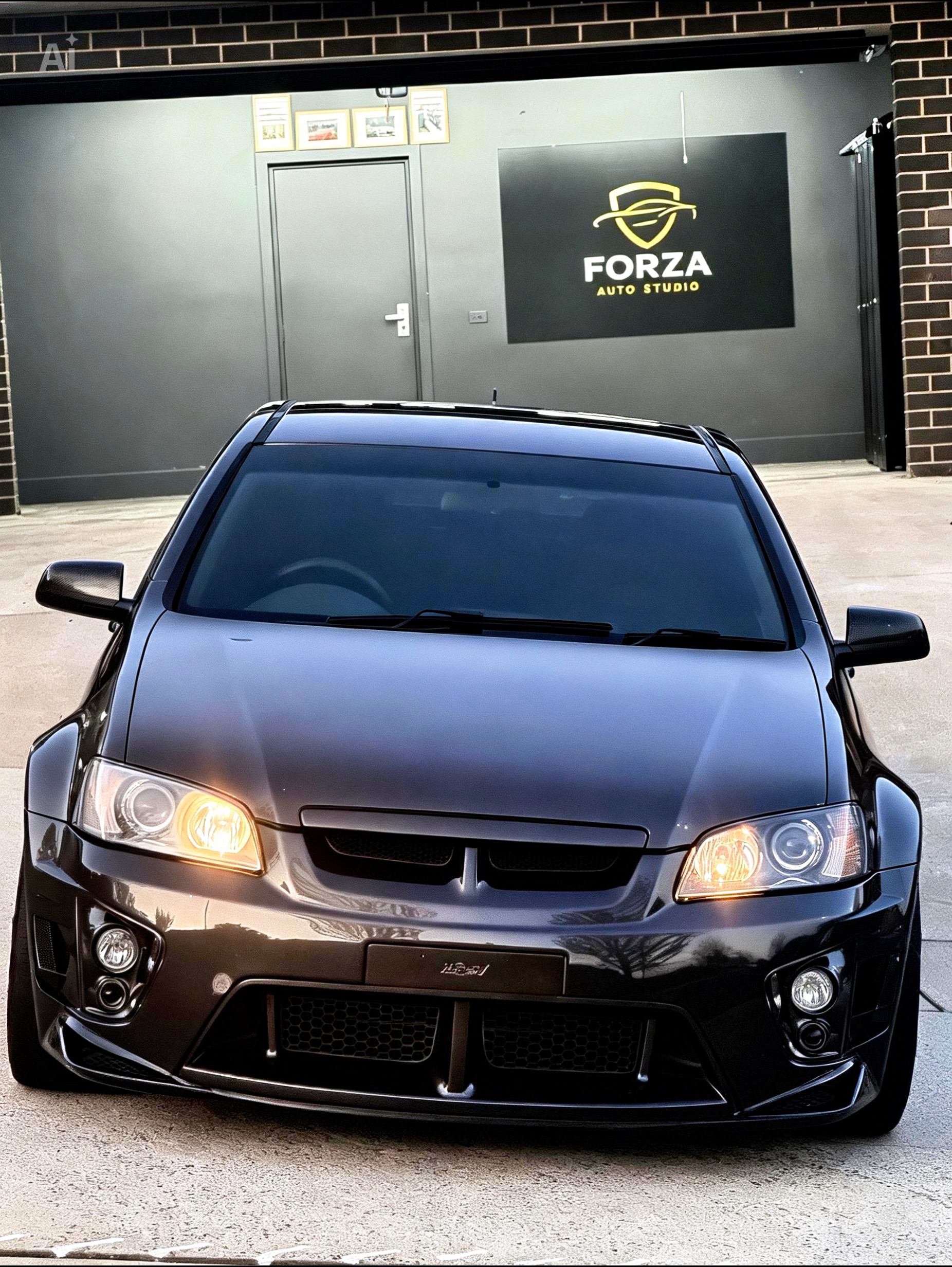
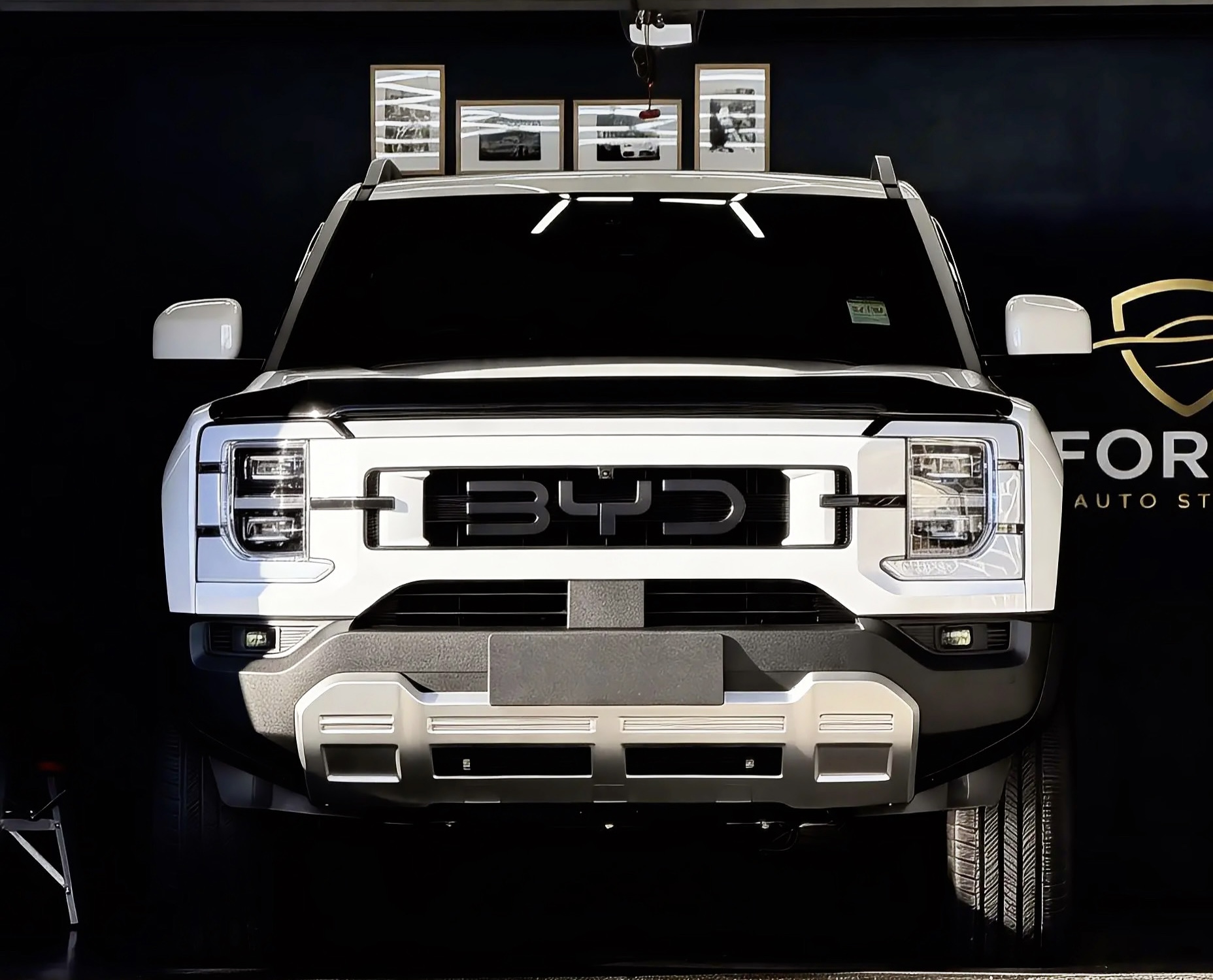
At Forza Auto Studio, PJ assesses each vehicle individually before recommending paint enhancement, paint correction or ceramic coating. The aim is to restore gloss, clarity and depth where needed, then protect the vehicle with a maintenance plan that supports the finish over time.
A coating is only as good as the maintenance that follows
Even the best-prepared coating needs correct care. Poor washing techniques can introduce fresh swirl marks over time, while harsh chemicals can compromise the behaviour and appearance of the protective layer. The advantage of a coating is not that maintenance disappears. It is that maintenance can become safer, more efficient and more rewarding when done correctly.
Use a pH-appropriate wash routine, clean wash media and separate equipment for wheels and paintwork. Remove bird droppings, bug splatter and tree sap promptly rather than allowing them to dwell on the surface. Regular washing also helps you notice changes early, such as water spotting, contamination buildup or damage that needs attention.
For vehicles with ceramic coatings, periodic specialist maintenance can help restore surface behaviour and identify concerns before they become more difficult to address. This is especially useful for vehicles exposed to Canberra's temperature swings, strong summer sun and regular outdoor parking.
How to make the right decision before delivery
If you are offered a dealership coating, do not feel pressured to decide on the spot. Ask for the product details and a clear explanation of the preparation process. Consider whether convenience is your priority or whether you would prefer the paintwork inspected and refined before protection.
A dealership coating can be a sensible choice when its application process is transparent, the vehicle's condition is good and your expectations are straightforward. It may be less suitable when you want correction of visible paint defects, a specific professional-grade coating system or a more detailed long-term preservation plan.
The most useful next step is to inspect the vehicle properly before applying anything permanent. Once you know the true condition of the paint, protecting it becomes a considered decision rather than an item added to the delivery paperwork.