


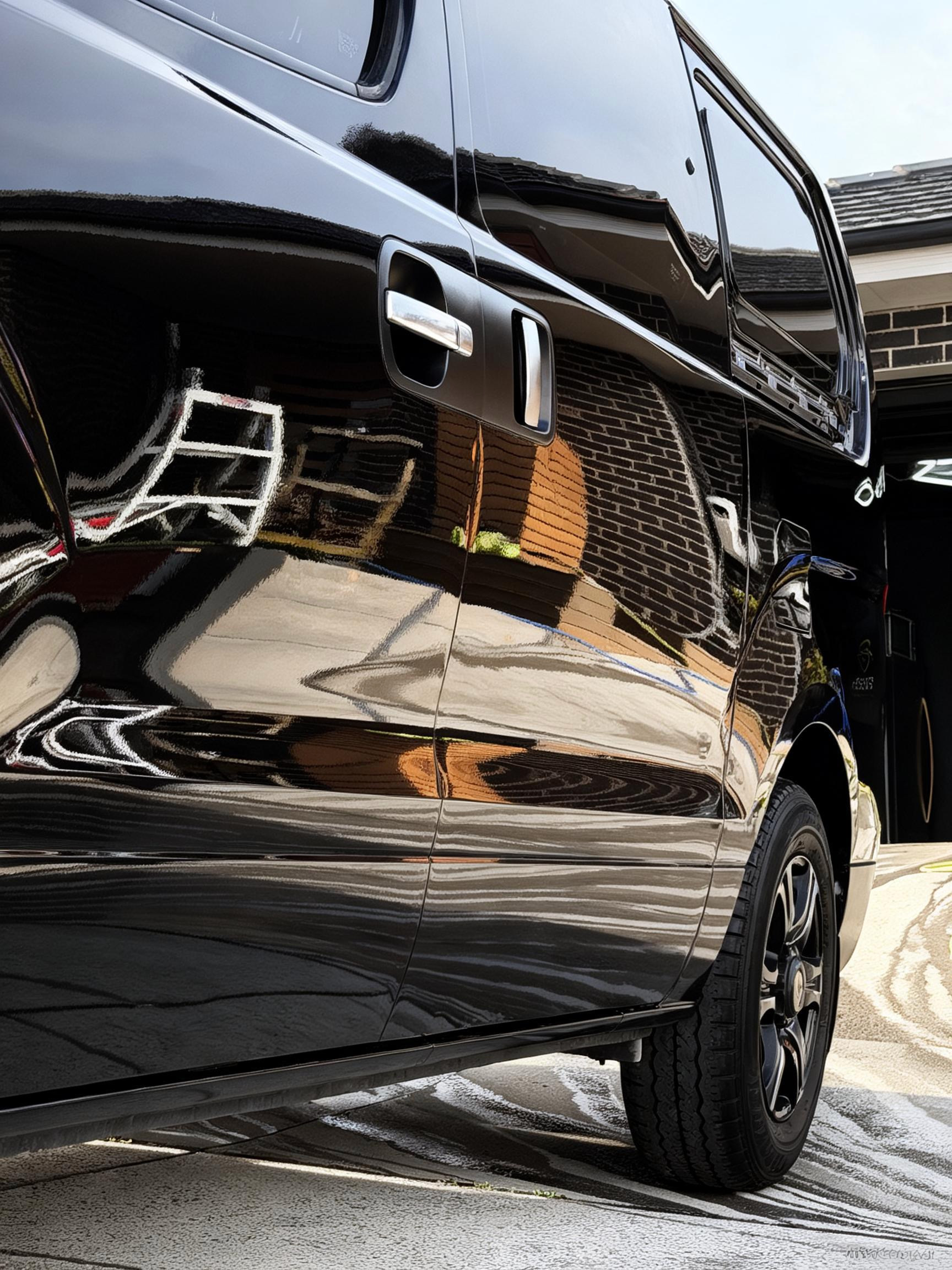


A vehicle can look clean and still lack the crisp reflections, depth and clarity it had when new. In most cases, the issue sits in the uppermost painted layer. This automotive clear coat guide explains what that layer does, what damages it, and how a considered preservation approach can keep paintwork looking its best for longer.
Clear coat is not simply a glossy finish applied to make a car look polished. It is the transparent protective layer above the colour coat, and it has a direct influence on how light reflects from the surface. When it is clean, level and properly protected, the paint beneath appears richer and more defined. When it is marked, oxidised or contaminated, even a freshly washed vehicle can look flat.
What automotive clear coat actually does
Most modern vehicles use a basecoat-clear coat paint system. The basecoat provides the vehicle's colour, metallic flake or pearl effect. The clear coat sits over it, adding gloss while providing a degree of protection from ultraviolet exposure, weather, road film and day-to-day contact.
It is a sacrificial layer, but not an unlimited one. Every wash, machine polishing session, scratch and environmental exposure affects it to some extent. This is why professional paint correction is measured and deliberate. The aim is to safely reduce visible paint defects while retaining as much healthy clear coat as practical.
Clear coat hardness varies considerably between manufacturers, models and even panels. Some European paint systems can be relatively hard and resistant to light marring, while others may mark more easily but correct readily. Repainted panels can also behave differently to factory paint. An inspection, including paint-depth readings where appropriate, gives a clearer basis for deciding what correction is sensible.
Why clear coat loses clarity and gloss
Swirl marks are one of the most common reasons paint loses its clean, reflective appearance. Despite the name, they are not usually circular scratches in the traditional sense. They are fine, shallow abrasions that catch and scatter light. Under workshop lighting, direct sun or a service-station canopy, they become especially visible.
Poor washing and drying technique is a frequent cause. Dirt left on paintwork acts as an abrasive when rubbed across the surface. A dirty wash mitt, harsh brushes, worn drying towels and repeated contact at automatic car washes can all introduce fine marring. This is often gradual, which is why owners may not notice how much gloss has been lost until the paint is properly corrected.
Clear coat also suffers from contamination. Industrial fallout, brake dust, tree sap, bird droppings, tar and mineral-rich water can bond to or etch the surface. Canberra's changing conditions can make this particularly relevant: dry dust, strong sun, cold mornings and hard-water spotting can each affect a vehicle that spends time outdoors.
Then there are deeper scratches, stone chips and chemical etching. These are different from ordinary swirl marks. Paint correction may reduce the visual impact of some scratches, but it cannot safely remove every defect. If a scratch has penetrated through the clear coat, or into the basecoat, touch-up or refinishing may be the more appropriate remedy. Preserving paint is not about chasing an artificial standard of perfection. It is about making informed decisions that improve presentation without compromising the finish.
The difference between cleaning, correction and protection
These stages are often grouped together, but each has a distinct purpose.
Cleaning removes loose dirt and traffic film. Decontamination goes further by addressing bonded material that washing alone cannot remove. Depending on the vehicle, this can include iron fallout removal, tar treatment and a controlled mechanical decontamination process. Proper preparation gives the paint a clean, smooth surface and reveals its true condition.
Paint correction is the refinement stage. Using carefully selected machine polishers, pads and polishing compounds, a specialist levels a minute amount of clear coat to reduce swirl marks, light scratches, oxidation and other paint defects. This is what restores gloss, clarity and depth. The right level of correction depends on the paint condition, the vehicle's age, future use and the owner's priorities.
Protection is applied after the paint has been prepared and, where required, corrected. A professional ceramic coating can provide a durable, sacrificial barrier that improves water behaviour, helps limit contamination adhesion and makes regular maintenance easier. It does not make a vehicle scratch-proof, chip-proof or maintenance-free. It does, however, support a better long-term maintenance routine when matched to the vehicle and cared for correctly.
Automotive clear coat guide: choosing the right correction level
A one-step paint enhancement can be a sensible option for a newer vehicle with light wash marring and generally healthy paint. It focuses on a meaningful improvement in gloss and clarity without pursuing every isolated defect. For many well-maintained daily drivers, this is the right balance.
Multi-stage paint correction is more suited to paintwork with heavier swirl marks, noticeable scratches, oxidation or a dull overall appearance. It involves additional refinement steps to achieve greater defect reduction and a more polished finish. The benefit can be substantial, particularly on darker colours where paint defects are highly visible, but it should always be considered against clear-coat condition and the vehicle's intended use.
A classic vehicle, for example, may have older paint or previous refinishing that calls for a conservative approach. A new performance car may benefit from correction before its first protection package, particularly if dealership preparation has left light marring. A family SUV used every day may be best served by focused gloss enhancement and a maintenance plan that is realistic for how it lives.
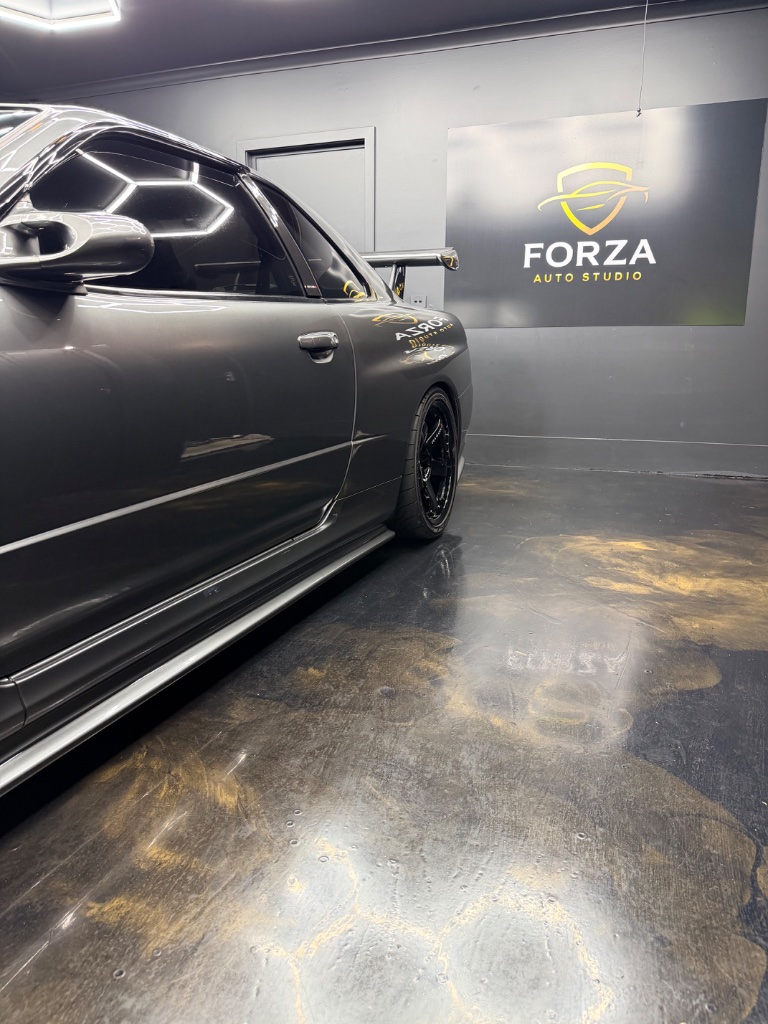
The appropriate answer is rarely the most aggressive one. Inspection-led recommendations matter because clear coat is a finite resource. At Forza Auto Studio, each vehicle is assessed individually so the work reflects the paint's condition and the owner's preservation goals.
How to protect clear coat between professional services
Long-term vehicle preservation is built on what happens after correction as much as the correction itself. A ceramic coating makes maintenance more forgiving, but washing technique still matters.
Use a pH-neutral shampoo, clean wash media and separate equipment for heavily soiled lower panels and wheels. Pre-rinsing thoroughly helps remove loose grit before contact washing begins. Work methodically from cleaner upper panels to dirtier lower sections, and avoid allowing wash products to dry on the paint in direct sun.
Drying deserves the same care. Rather than dragging a neglected chamois across the entire car, use clean, high-quality microfibre drying towels and minimal pressure. A dedicated drying aid can improve lubrication and reduce friction, provided it is compatible with the existing protection.
Bird droppings, tree sap and fresh water spots should be attended to promptly. Their effect depends on heat, time and the paint system, but leaving them in place increases the chance of marking or etching. Keep a suitable clean microfibre and gentle quick-clean product in the boot if the vehicle is regularly parked outdoors.
Avoid using abrasive polishes as routine maintenance. A gloss product may produce a short-term improvement, but repeated abrasion is not a substitute for proper paint correction. If the paint begins to look less hydrophobic, dull or difficult to clean, it may need decontamination or a professional maintenance service rather than another layer of product.
Signs your clear coat needs professional attention
Look closely under direct lighting rather than judging the paint only in shade. Fine web-like marks, hazy reflections, patchy water spotting and a rough feel after washing all suggest the surface may need more than a basic clean. Fading or peeling clear coat, however, is a paint failure rather than a detailing defect. Polishing cannot repair failed clear coat, and refinishing is usually required.
It is also worth seeking advice before applying a coating to neglected paintwork. Coatings preserve the condition beneath them; they do not conceal widespread swirl marks, oxidation or etched contamination. Preparing the surface first gives the coating a better foundation and gives the vehicle the appearance owners usually expect from a protected finish.
Clear coat rewards restraint and consistency. Wash thoughtfully, remove contamination early, correct defects only when the paint condition supports it, and choose protection that fits the way the vehicle is actually used. That approach keeps the finish easier to maintain and allows its original colour, gloss and character to remain the focus.