



A vehicle rarely loses presentation all at once. More often, its value is diluted by small, accumulated signs of neglect: wash-induced swirl marks across the bonnet, water spotting on dark paint, worn leather bolsters, cloudy trim and an incomplete service record. By the time an owner considers selling or trading, those details can shape the first impression before a buyer has even started the engine.
The best ways to preserve car value are therefore not limited to servicing or keeping kilometres down. They involve protecting the surfaces a buyer sees, maintaining the areas you touch every day, and addressing minor issues before they become established defects. The right approach depends on the vehicle, its age, where it is parked and how it is used, but disciplined care nearly always pays back in condition and confidence.
Best ways to preserve car value start with an honest baseline
Whether a car is newly delivered, recently purchased or already several years into ownership, begin by understanding its actual condition. A clean vehicle can still have bonded contamination, fine scratches, oxidation, water spots and uneven gloss that only become clear under proper lighting.
This matters because preservation is easier when the starting point is known. A new vehicle may need decontamination and protection after dealership preparation. An enthusiast car that has been routinely washed may benefit from paint correction to safely reduce swirl marks and restore clarity. A well-used daily driver may need a more measured plan that prioritises the areas receiving the most wear.
An inspection-led assessment avoids spending on work the vehicle does not require. It also gives you a sensible maintenance standard to work towards rather than chasing an unrealistic idea of perfection.
Correct paint defects before protecting the finish
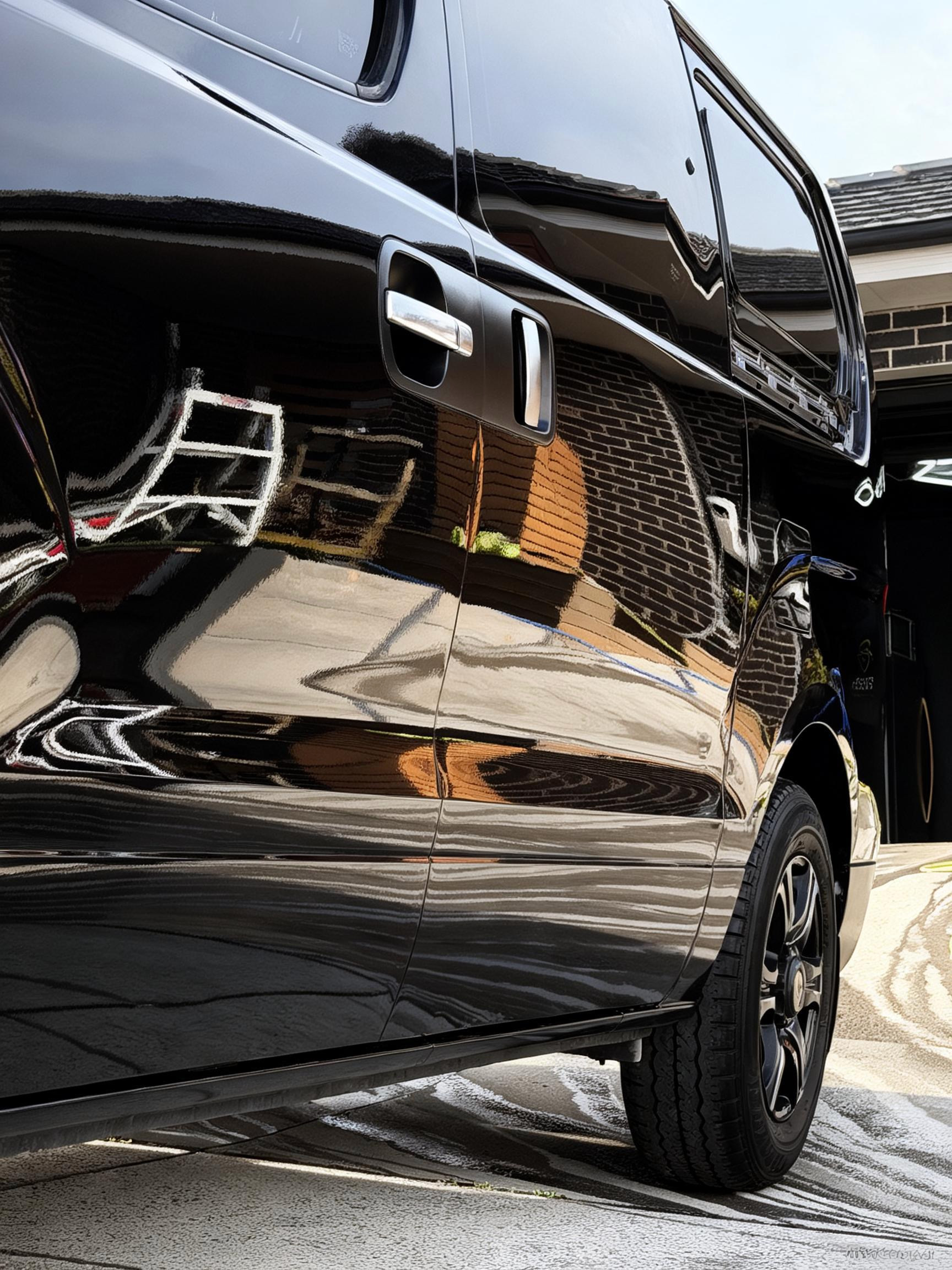
Paint protection works best on properly prepared paint. If swirls, light scratches, staining or oxidation are left beneath a protective layer, they remain visible and can reduce the depth and gloss of the finish.
Paint correction uses controlled machine polishing to reduce defects while respecting the available paint thickness. It is not a process of endlessly polishing until every mark disappears. Some deeper scratches may be safer to improve rather than fully remove, particularly on original paint or older vehicles. The objective is to restore gloss, clarity and depth without compromising the finish for a short-term visual result.
Once the paint is refined, a professional ceramic coating can provide a more resilient, easier-to-maintain surface. It helps reduce the effort required to clean the vehicle and can improve resistance to environmental contamination, but it is not a forcefield. A coated car can still be scratched, marked by poor washing, or affected by mineral-rich water left to dry in the sun. Its value comes from pairing sound preparation with better ongoing care.
Protect the paint from routine washing damage
For many well-maintained vehicles, the wash process is either the greatest source of damage or the strongest form of ongoing preservation. Dirt is abrasive. Dragging it across paint with an unsuitable sponge, brush or dirty drying towel gradually introduces the fine swirl marks that dull a finish, especially in Canberra’s clear, harsh light.
Wash the vehicle when the paintwork is cool and out of direct sunlight where possible. Pre-rinsing loose dirt, using dedicated wash media and clean buckets, and drying with fresh, quality microfibre towels all reduce unnecessary contact. Wheels and lower sections should be treated separately from upper paintwork, as they carry heavier grime and brake dust.
Avoid treating every mark with aggressive scrubbing. Bird droppings, insect residue and tree sap should be removed promptly, but softened first with an appropriate cleaner or water rather than rubbed dry. The same applies to dust. A quick wipe across a dusty panel may feel harmless, yet it can create fine scratches that require later correction.
If the car has a ceramic coating, use maintenance products suited to coated surfaces and avoid harsh chemical shortcuts unless they are genuinely needed. Regular, careful washing preserves the coating’s behaviour and lets you spot new contamination, paint defects or water spotting early.
Pay attention to the surfaces buyers notice first
Paint receives most of the attention, but wheels, exterior plastics, glass, headlights and door shuts strongly influence how cared-for a car feels. Brake dust left on wheels can become difficult to remove. Faded exterior plastics can make an otherwise tidy vehicle appear older. Hazed headlights reduce presentation and, more importantly, visibility.
Glass protection can improve wet-weather visibility and make routine cleaning easier. Protection for wheels and exterior plastics can also simplify maintenance, particularly on vehicles driven regularly through wet roads, construction dust or long country kilometres. These are practical additions when matched to the vehicle’s usage, not compulsory upgrades for every owner.
Keep the interior original, clean and functional
A clean exterior attracts attention; the cabin decides whether the car feels genuinely well looked after. Interiors show ownership habits quickly through shiny steering wheels, stained carpets, neglected leather, dusty vents and damaged trim. These areas are difficult to hide during an inspection and can be expensive or impossible to return to their original appearance.
Use suitable cleaners for the material in front of you. Leather needs gentle cleaning and appropriate conditioning rather than oily dressings. Matte trim should not be made artificially glossy. Alcantara and similar materials require careful methods to avoid flattening or staining the fibres.
Practical habits make the greatest difference. Deal with spills promptly, use floor mats that suit the vehicle, keep heavy or loose items secure in the boot, and avoid leaving sunscreen, food residue or wet gear in the cabin for extended periods. Smoke odour, pet hair and persistent fragrances can narrow the appeal of a vehicle even when its mechanical condition is excellent.
Function matters as much as cleanliness. Repair sticking switches, damaged seat mechanisms, warning lights and failed infotainment features as they arise. Small unresolved faults create doubt about the broader level of maintenance.
Maintain the mechanical record as carefully as the finish
Presentation may bring a buyer to the car, but documentation helps justify its value. Keep servicing up to date in line with the manufacturer’s schedule and retain invoices for mechanical work, tyres, batteries, wheel alignments and any specialist preservation services.
A complete record tells a more useful story than a stamped book alone. It shows when work was completed, who performed it and what was addressed. For performance, European, classic and enthusiast vehicles especially, this evidence can be as persuasive as the vehicle’s visual condition.
Do not defer minor mechanical issues simply because the car still drives. Tyres worn unevenly, a noisy suspension component, a weak battery or an air-conditioning issue may be manageable today, but they can become a negotiation point later. Addressing concerns early is often less disruptive and makes ownership more enjoyable in the meantime.
Reduce environmental wear where the vehicle lives
Storage conditions can quietly determine how well a vehicle ages. Covered parking protects against ultraviolet exposure, falling debris, bird droppings and repeated wet-dry cycles. If garaging is not available, selecting a sensible parking position and washing contamination away promptly still makes a real difference.
In Canberra and surrounding NSW, temperature swings, frost, summer heat and hard water can all affect vehicle surfaces. Water spots are particularly common when mineral-bearing water dries on warm paint or glass. Regular maintenance and prompt drying are more effective than waiting until staining is visibly severe.
For cars driven infrequently, avoid allowing them to sit untouched for months. Maintain battery health, tyre pressures and cleanliness, and make sure the vehicle is stored dry. A cover can be useful in the right environment, but placing one over a dusty or damp car can create friction and trap moisture. Storage decisions should suit the garage, the vehicle and how often it is used.
Spend where it protects the vehicle’s particular weak points
Not every car needs multi-stage paint correction, every surface coating or a showroom-level interior treatment. A family SUV used daily on regional roads has different preservation priorities from a weekend sports car or a low-kilometre classic.
The useful question is not, “What is the biggest package available?” It is, “What will keep this vehicle in its best honest condition for the way I use it?” For some owners, that means correcting existing paint defects and applying a ceramic coating before regular use. For others, it means a thorough deep clean, careful wash routine and periodic specialist maintenance to prevent gradual decline.
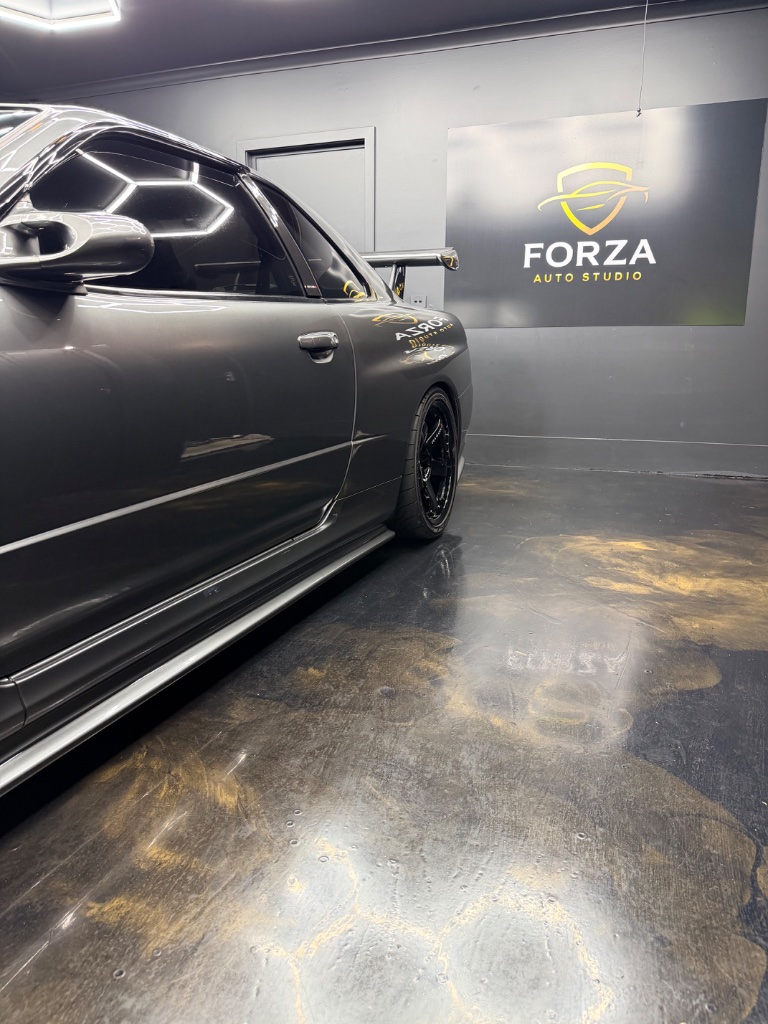
At Forza Auto Studio, this is why each project begins with the vehicle’s condition, intended use and owner expectations. Preservation is most effective when the recommendation is tailored, then maintained consistently rather than treated as a one-off cosmetic event.
A car that presents well at sale has usually been cared for long before the photographs are taken. Keep the maintenance routine simple enough to follow, protect the finish before damage becomes entrenched, and retain the records that show the next owner exactly what they are buying.