


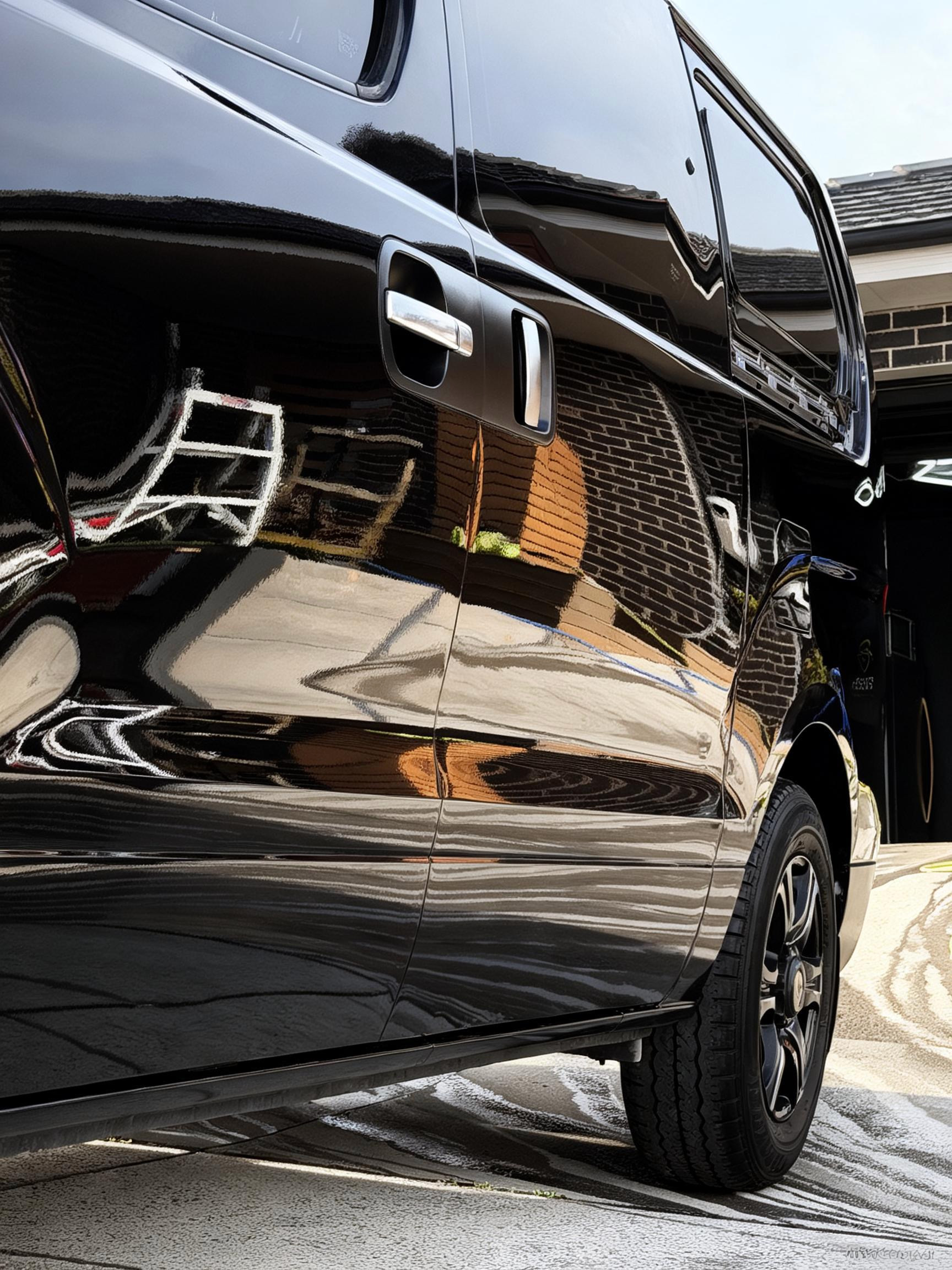


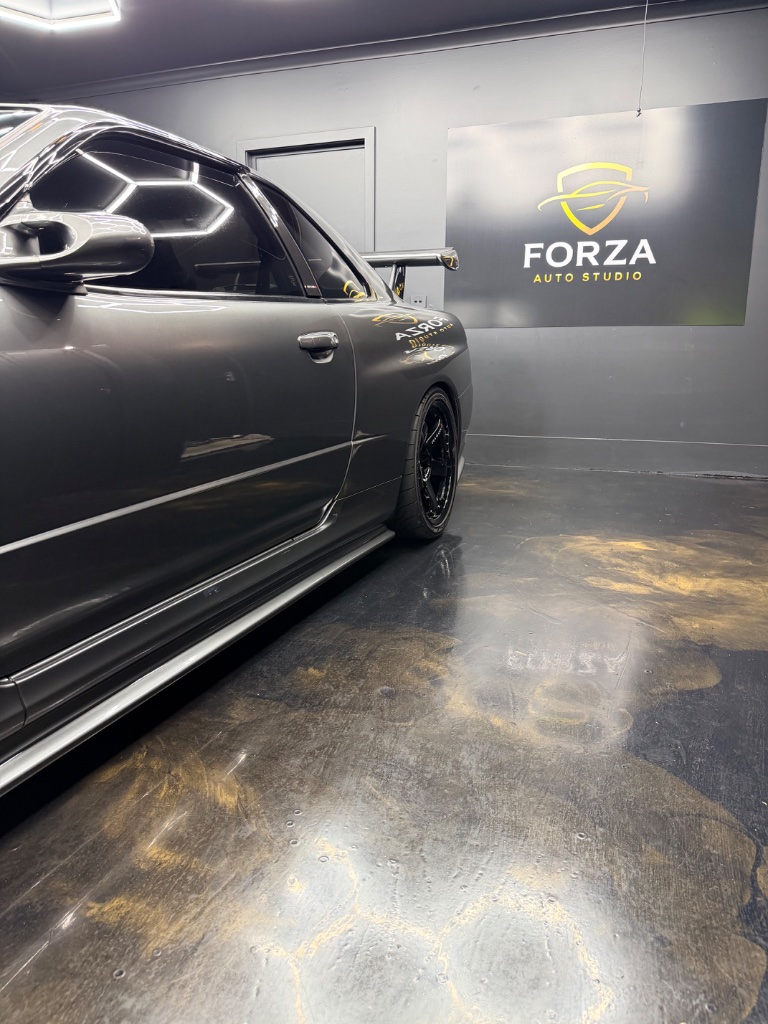
A vehicle can look clean in the shade yet show every mark under Canberra sunlight, workshop lighting or a petrol station canopy. Owners often ask, “can polishing remove scratches?” The honest answer is yes, in many cases - but only when the defect is shallow enough and the paint can be safely refined.
Polishing is not a way to make damage disappear by force. Proper paint correction is a measured process that reduces visible defects while preserving as much of the vehicle’s original paint system as possible. The right approach depends on the depth, location and type of scratch, as well as the condition and thickness of the paint around it.
Can Polishing Remove Scratches Safely?
Most modern vehicles have a clear coat over the coloured basecoat. Light swirl marks, wash marring and many superficial scratches sit within that clear coat. A machine polish can level the surface around these defects, reducing the way light catches their edges. Once the surface is more even, gloss, clarity and depth return.
This is why a polished panel can look dramatically different even though no paint has been added. The correction process is carefully refining a very small amount of clear coat to improve the surface.
That distinction matters. Clear coat is finite. A responsible detailer does not chase every isolated mark at the expense of paint health, particularly on older vehicles, repainted panels, sharp body lines and areas that may already have been polished several times. The aim is meaningful improvement and long-term vehicle preservation, not an unrealistic promise of a flawless surface at any cost.
Which Scratches Can Be Polished Out?
The defects most likely to respond well to paint correction are light marks caused by routine use and washing. Swirl marks, fine circular marring, fingernail marks around door handles, towel-induced scratches and mild scuffing often sit high in the clear coat. Depending on the paint and the desired outcome, these can be substantially reduced or, in some cases, fully removed.
Water spotting and oxidation can also make paint appear scratched or dull when the issue is broader surface damage. After appropriate decontamination and polishing, the improvement in gloss enhancement can be significant. On dark paint especially, restoring surface clarity changes the entire presentation of the vehicle.
A useful preliminary check is the fingernail test. If a scratch catches your fingernail, it may extend more deeply into the clear coat or beyond it. This does not automatically mean nothing can be done, but full removal may not be safe or realistic. It may be possible to soften the scratch’s edges and reduce its visibility considerably rather than remove it entirely.
Deep Scratches Need a Different Decision
A scratch that has cut through the clear coat and exposed colour, primer or metal cannot be polished away. There is no surrounding clear coat that can be safely levelled enough to eliminate it. Polishing these areas too aggressively risks making the defect wider, dulling the surrounding finish or compromising the panel’s protection.
Some deeper marks can be carefully improved with localised refinement or paint touch-up before correction, but results vary. A touch-up can protect an exposed area and make it less obvious; it will not usually recreate the uniform appearance of factory paint without more extensive repair and refinishing.
Stone chips, bumper scuffs, gouges from loading the boot and damage from contact with another object also need to be assessed individually. The right recommendation may be paint correction, targeted touch-up, repainting, or simply preserving the area while improving the rest of the vehicle.
Why Paint Correction Is More Than Applying Polish
The word “polishing” can suggest a quick application of product. In specialist work, it begins well before a polishing machine touches the paint. Dirt, iron fallout, tar, road film and bonded contamination can interfere with correction and, if left in place, increase the risk of further marring.
The vehicle is first cleaned and decontaminated so the true condition of the paint can be assessed. Under controlled inspection lighting, swirl marks, scratches, water spots, sanding marks, holograms and prior repair work become far easier to identify. Paint depth readings may also be used where appropriate, particularly on vehicles with uncertain paint history or panels that appear to have been repainted.
A test spot then establishes the least aggressive combination of pad, polish and machine technique that can achieve the intended result. Paint is not the same from one vehicle to another. A hard clear coat may need a different approach from softer paint that marks easily. Even on the same car, a repaired panel can behave differently from an original one.
This inspection-led process is what separates considered paint correction from simply making a car look shinier for a short time. It allows the correction level to suit the actual condition of the vehicle and the owner’s expectations.
The Trade-Off Between Correction and Paint Preservation
More correction is not always better. Removing deeper scratches requires more paint removal, and there are times when retaining clear coat is the more sensible long-term decision. This is especially relevant for classic vehicles, thin factory paint, heavily corrected paintwork and panels with previous repairs.
For some vehicles, a paint enhancement is the right option. It improves overall gloss and reduces widespread swirl marks without pursuing every deeper defect. For others, a multi-stage paint correction may be appropriate where the paint has enough healthy material and the owner wants a more substantial improvement in clarity.
Neither outcome is a generic package or a measure of how much care has been taken. The best result is the one that restores the vehicle’s presentation while respecting the remaining paint system. A good inspection should make that trade-off clear before work begins.
What Ceramic Coating Does After Polishing
Ceramic coating is often applied after paint correction because there is little value in protecting a finish that has not first been properly prepared. A coating does not remove scratches, fill deep defects permanently or make paint invulnerable. Its role is protection and easier maintenance.
Applied to refined paintwork, a professional-grade ceramic coating can help keep the surface easier to wash, improve water behaviour and provide a sacrificial layer between the clear coat and everyday exposure. It also helps retain the visual benefit of correction by supporting safer ongoing care.
The coating does not replace sensible washing technique. Even coated paint can develop swirl marks through contaminated wash mitts, harsh brushes, automatic car washes or dry wiping dust from the panel. Preservation is a process, not a one-time product application.
Keeping New Scratches From Returning
After paint correction, the maintenance routine often determines how long the finish stays clear. Wash the vehicle only when the surface can be safely rinsed first, use clean tools dedicated to paintwork, and avoid pressing grit across dry panels. Drying towels should be clean, high quality and used with minimal pressure.
Bird droppings, tree sap and insect residue should be removed promptly, particularly during warmer months. These contaminants can etch or stain clear coat if they remain on the surface. Regular maintenance also makes it easier to spot new defects before they become more noticeable.
For owners who value the condition of their vehicle over years rather than weeks, periodic specialist maintenance is useful. It provides an opportunity to assess the coating, remove bonded contamination safely and address minor changes before they affect the overall finish.
At Forza Auto Studio, PJ assesses each vehicle individually because the correct answer is rarely found by looking at one scratch alone. Paint condition, prior work, intended use and the owner’s priorities all shape the safest path forward.
A scratch does not always need to be erased to stop dominating the appearance of a vehicle. When correction is carefully matched to the paint, reducing the defect while preserving the finish is often the result that continues to look right long after the initial gloss has returned.