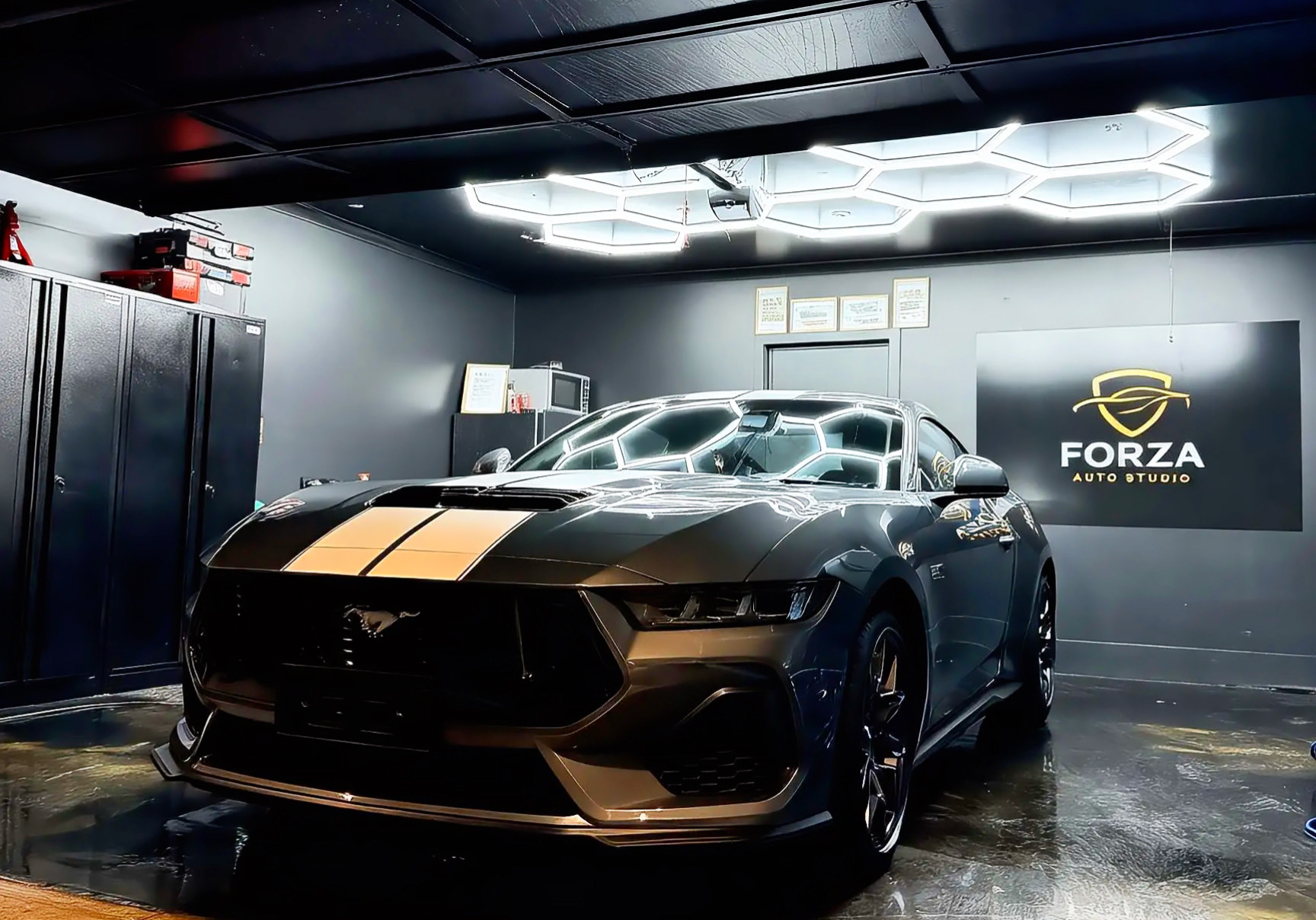
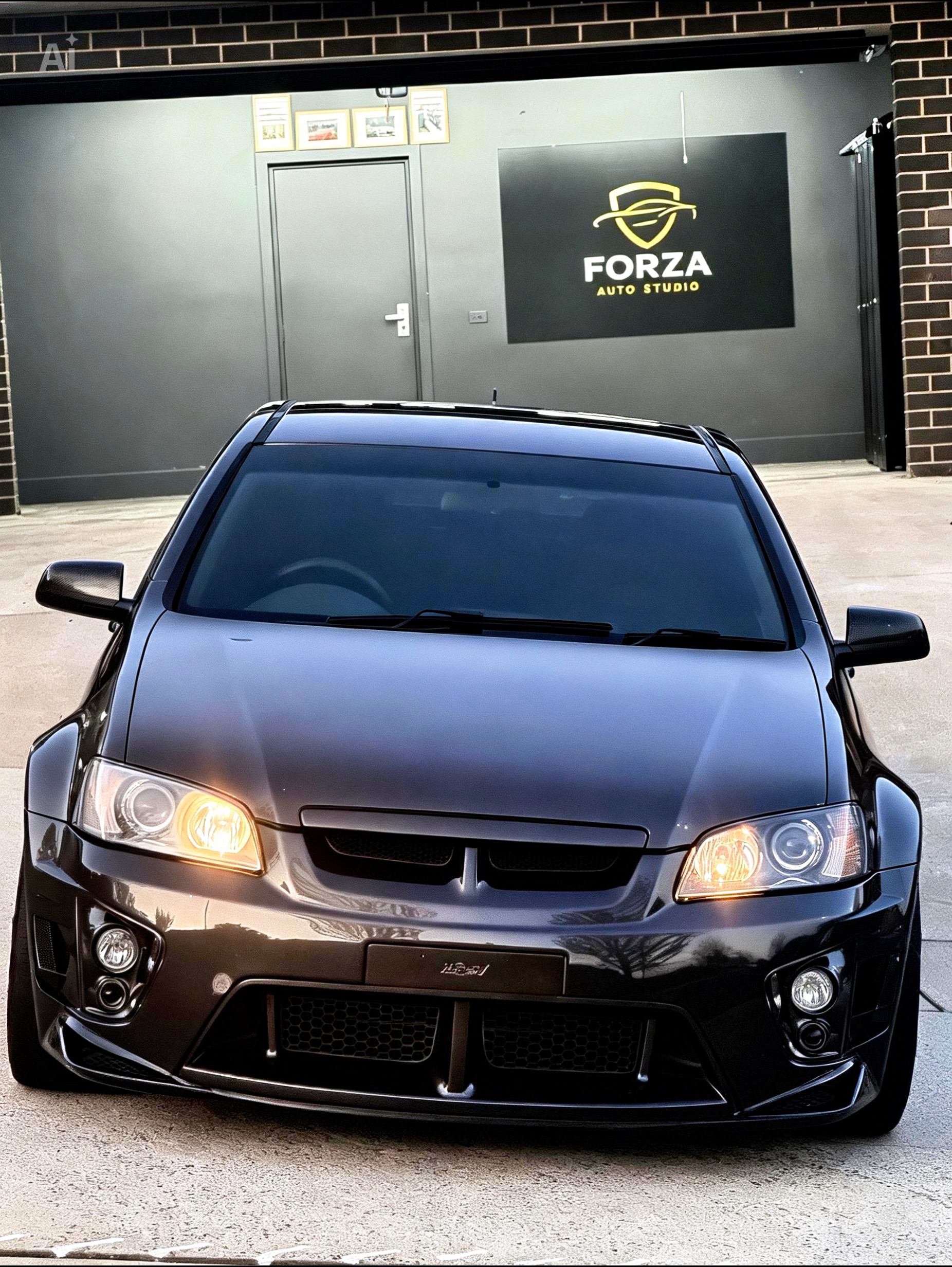
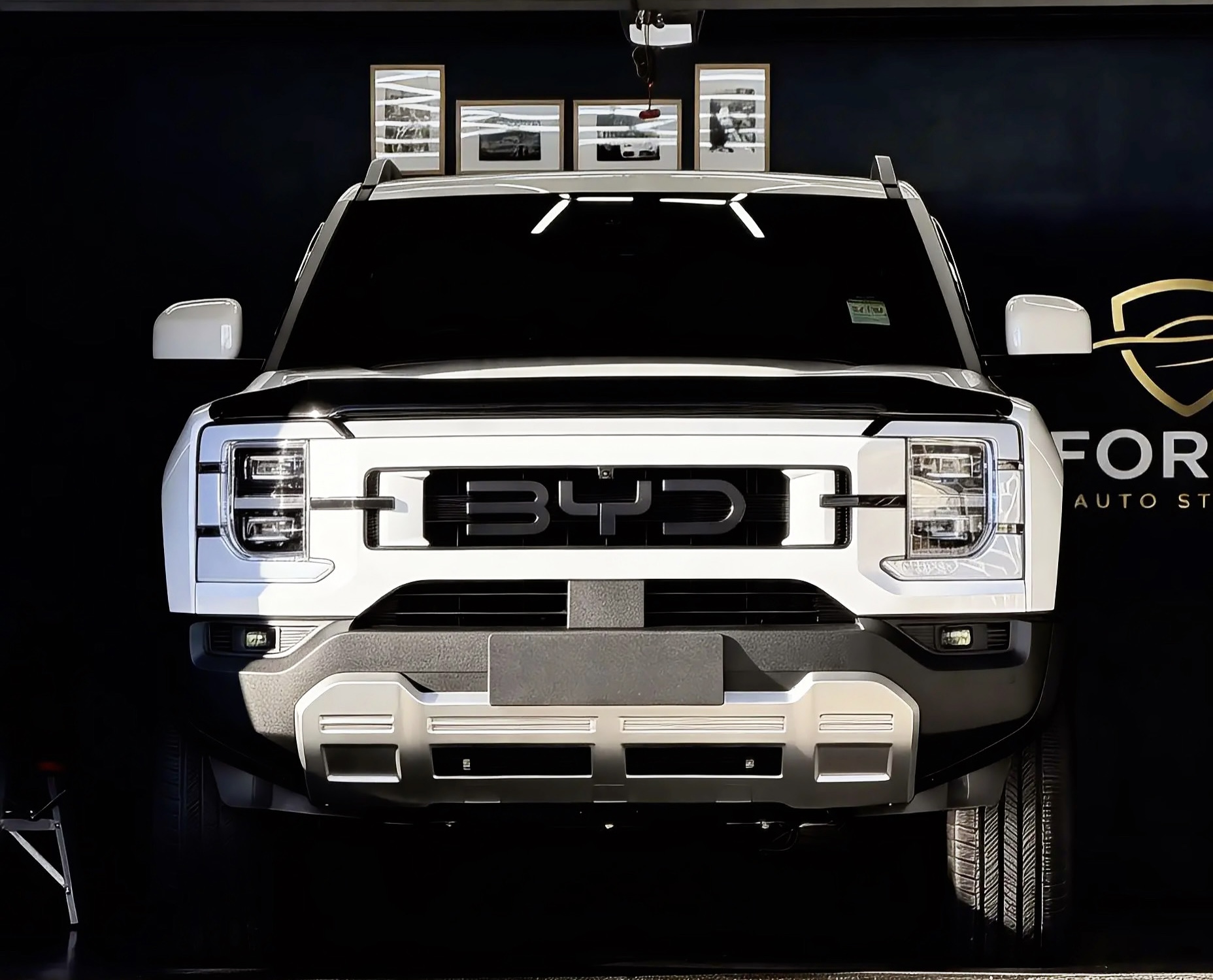
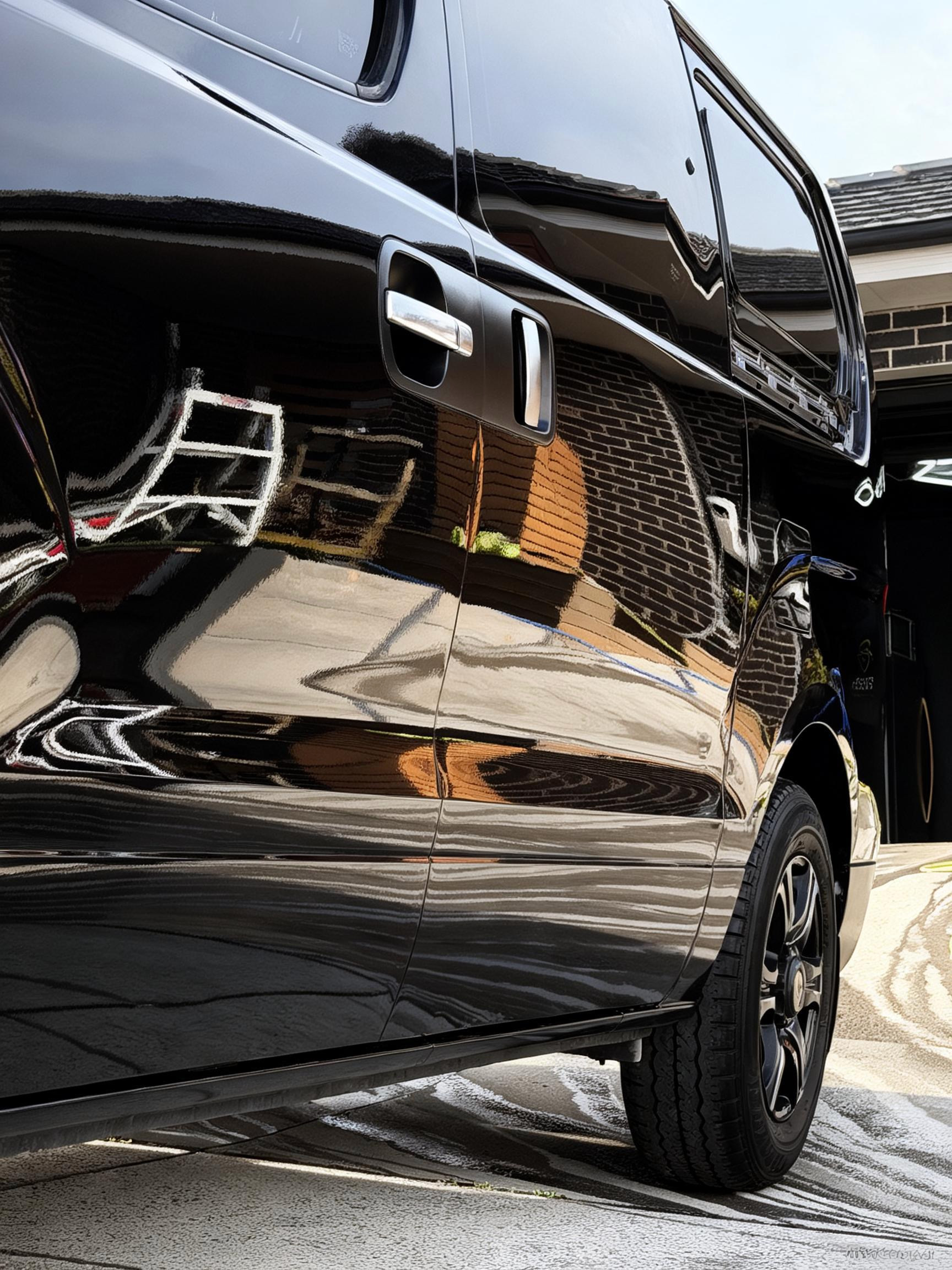
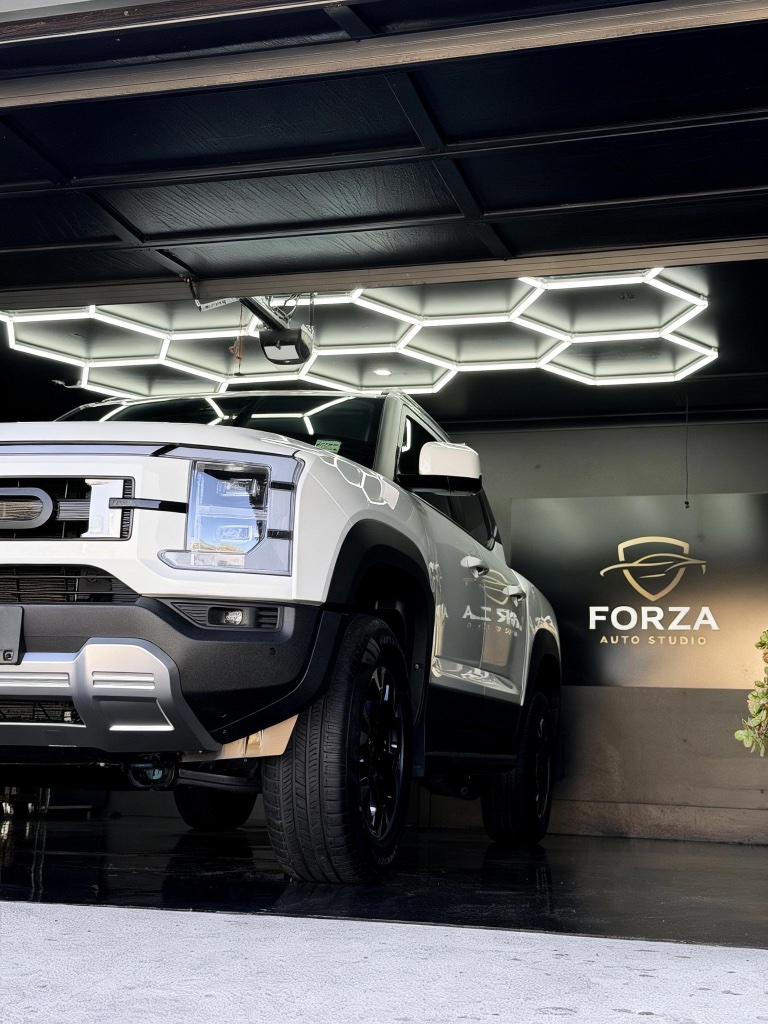

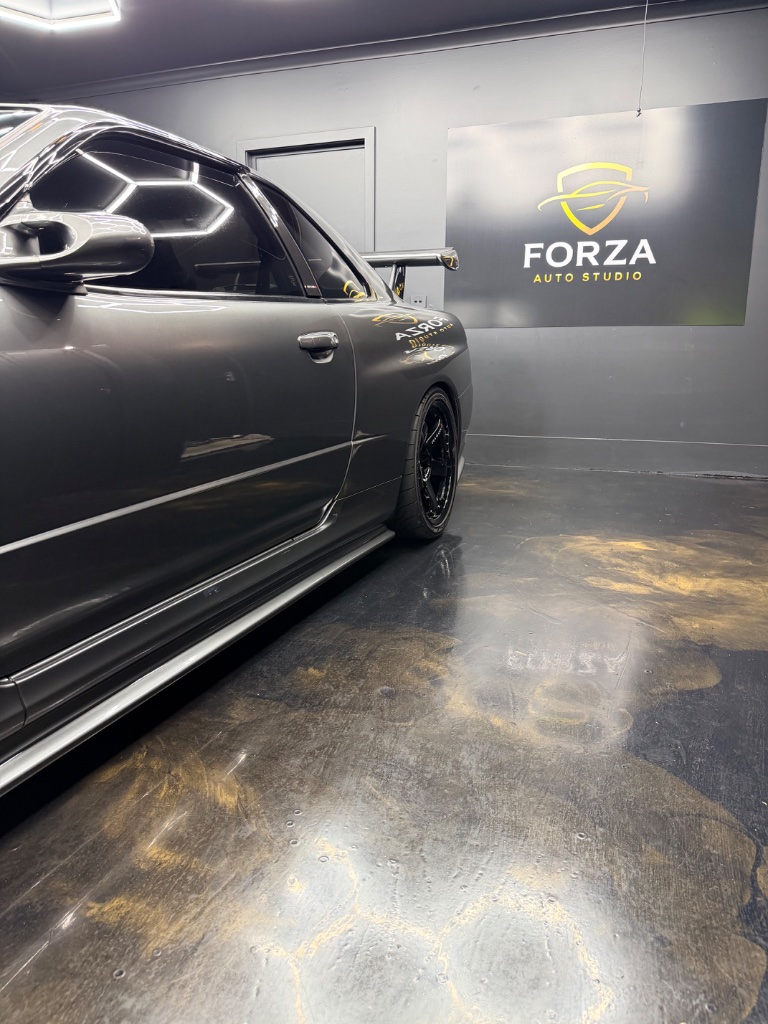
Black paint has a way of making a vehicle look exceptional - and of exposing every shortcut taken in its care. Canberra black paint refinement is not simply about adding shine. It is a measured process of reducing visible paint defects so the surface reflects light cleanly, with the depth, clarity and gloss that black paint is capable of showing.
On a dark vehicle, swirl marks often appear as pale cobwebbing under direct sunlight or workshop lighting. Fine scratches, water spotting, wash-induced marring and embedded contamination can make the paint look grey or hazy even when the car has just been cleaned. The right approach depends on the paint condition, its thickness, its response to polishing and how the vehicle will be used afterwards.
Why black paint needs a more considered approach
Every paint colour can develop defects, but black makes them more obvious because it offers such a strong contrast. A fine scratch that may disappear visually on silver or white paint can remain immediately noticeable across a dark bonnet, door or boot lid. Strong Canberra sunlight can make this particularly apparent, while water marks and dust settle visibly between washes.
That does not mean black paint is inherently difficult to own. It does mean preparation and maintenance matter more. The goal is not to chase an unrealistic flawless finish. It is to restore the best safe result available from the paint, while preserving as much clear coat as practical for the vehicle's future.
Paint type also changes the plan. Some European paints can be comparatively hard and require a more purposeful correction combination to reduce deeper defects. Other finishes are softer and can mark more easily during washing or even during the final refinement stages. A process that works well on one black vehicle should never be assumed appropriate for another.
Canberra black paint refinement begins with inspection
A proper inspection identifies more than what is visible from a few steps back. Under controlled lighting, swirl marks, isolated scratches, sanding marks, water spotting and prior polishing trails become easier to assess. Paint depth readings help establish a clearer picture of the available material, particularly where a panel may have been repainted or corrected previously.
This is where sensible expectations are set. A shallow scratch within the clear coat may be significantly reduced or removed through paint correction. If it catches a fingernail, reaches the colour coat, or has already been touched up, fully removing it may be unsafe or impossible without refinishing. Reducing its visual impact while retaining paint thickness is often the better preservation decision.
The inspection should also account for the vehicle's role. A cherished weekend car kept undercover has different needs from a black daily driver that lives outside, travels frequently on country roads, or spends its working week in car parks. The correction level and protection strategy should reflect that reality, not a fixed package.
Decontamination creates a clean foundation
Polishing dirty paint is never refinement. Before paint correction begins, the exterior requires a careful wash and chemical decontamination to address bonded contaminants such as iron fallout, road film and mineral deposits. Where appropriate, further mechanical decontamination may be used to remove stubborn surface contamination.
This stage changes more than the feel of the paint. Contamination can interfere with polishing and obscure the true condition of the surface. Removing it allows the pad, polish and technician to work directly with the clear coat rather than dragging bonded debris across it.
Masking sensitive trims, badges, edges and delicate areas follows. These details are easily overlooked in rushed work, yet they are central to a controlled correction process. The aim is consistent, careful access across the vehicle without unnecessarily stressing vulnerable areas.
Test spots determine the correction plan
The most useful decision in paint correction is made before the whole car is polished. A small test area is refined using a selected machine, pad and polish combination, then inspected under appropriate lighting. This reveals how the individual paint responds and whether the chosen approach is achieving meaningful defect reduction with a clean finish.
A one-stage paint enhancement can be the right choice for a newer or generally well-kept black vehicle with lighter swirls and reduced gloss. It can improve clarity noticeably while limiting the amount of correction performed. Multi-stage paint correction is more suitable where heavier marring, deeper wash damage or more widespread defects justify the additional time and refinement.
More correction is not automatically better. Each polishing stage removes a very small amount of clear coat. The responsible approach is to use the least aggressive method that achieves the agreed improvement, rather than pursuing a number of stages for its own sake.
Restoring gloss without hiding defects
A glossy black car can look impressive after products have been applied to fill or mask defects temporarily. But true gloss enhancement comes from improving the surface itself. When swirl marks and haze are reduced, light reflects in a more uniform way. The black appears darker, reflections become sharper and body lines read more clearly.
Finishing polish selection and technique are particularly important on dark paint. A surface can appear corrected under one light source, then reveal faint holograms or micro-marring in sunlight. Methodical panel inspection throughout the process helps confirm that the finish is genuinely refined rather than simply dressed for handover.
This takes time, especially on complex bodywork. Curves, tight areas around mirrors, piano-black trims and intricate bumpers all respond differently to machine polishing. It is careful, repetitive work, but it is where the visible transformation is earned.
Ceramic coating after paint correction
Once the paint is refined and fully prepared, a professional ceramic coating can provide a practical layer of protection for the finish. It does not make paint immune to scratching, stone impacts or neglect. It does, however, support easier washing, improve water behaviour and help reduce the amount of grime that bonds to exterior surfaces.
For black paint, the maintenance benefit is often as valuable as the initial presentation. A protected surface can be easier to wash carefully, which gives the owner a better chance of avoiding the fresh swirls that gradually dull a dark finish. Coatings can also be considered for wheels, exterior plastics and glass where their properties suit the surface and the vehicle's use.
Coating performance depends heavily on preparation and aftercare. Applying protection over uncorrected defects does not remove them, and applying it over incomplete decontamination compromises the foundation. The coating should be selected around the car's storage, usage and maintenance plan, not treated as a substitute for proper washing.
Keeping black paint clear between appointments
The way a black vehicle is washed after refinement has a direct effect on how long its clarity remains visible. Frequent dry wiping, harsh brushes and dirty wash media can quickly reintroduce marring. Even well-intentioned washing can cause defects if grit is not removed safely before contact washing begins.
Use quality, clean wash media and plenty of lubrication. Pre-rinse the vehicle thoroughly, work from cleaner areas to dirtier ones, and avoid pressing contamination into the paint. Dry with a suitable soft towel or controlled air where possible, rather than rubbing aggressively across the panels. If water spotting is a recurring issue, particularly after a hot day, drying sooner and keeping up regular maintenance makes a meaningful difference.
A coating does not remove the need for careful washing, but it can make that routine more manageable. For vehicles receiving specialist maintenance, regular condition checks also help identify contamination, water spotting or isolated damage before those issues become more involved.
A finish worth preserving
Black paint rewards disciplined care because every improvement is easy to see. The right refinement can bring back the depth and crisp reflection that made the vehicle appealing in the first place, while a considered protection and maintenance plan helps retain it.
At Forza Auto Studio, PJ assesses each vehicle individually before recommending paint enhancement, multi-stage correction or ceramic coating protection. The most worthwhile result is not defined by a generic process. It is a finish that looks markedly clearer, remains practical to maintain, and respects the paint that is still there.