


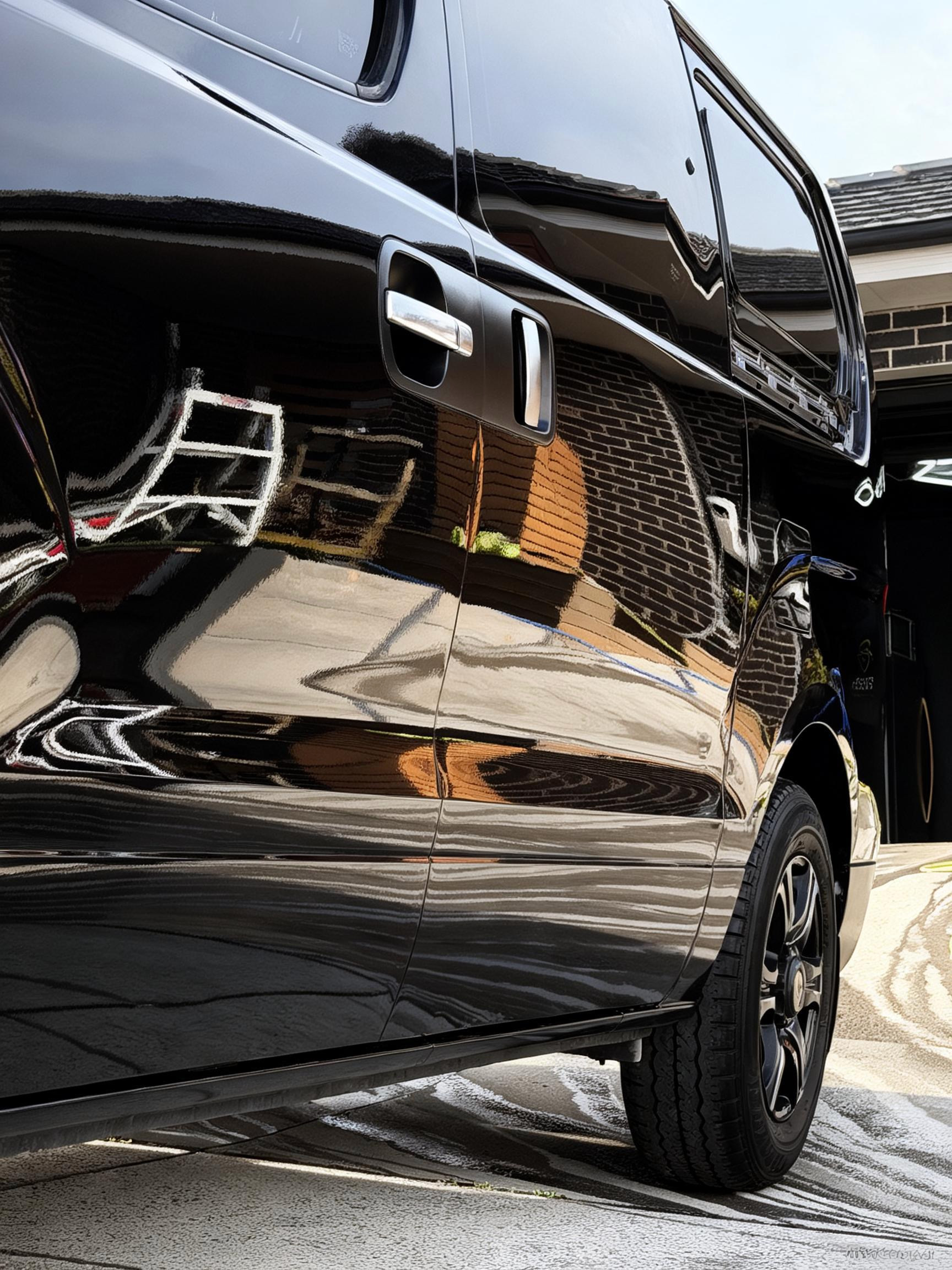


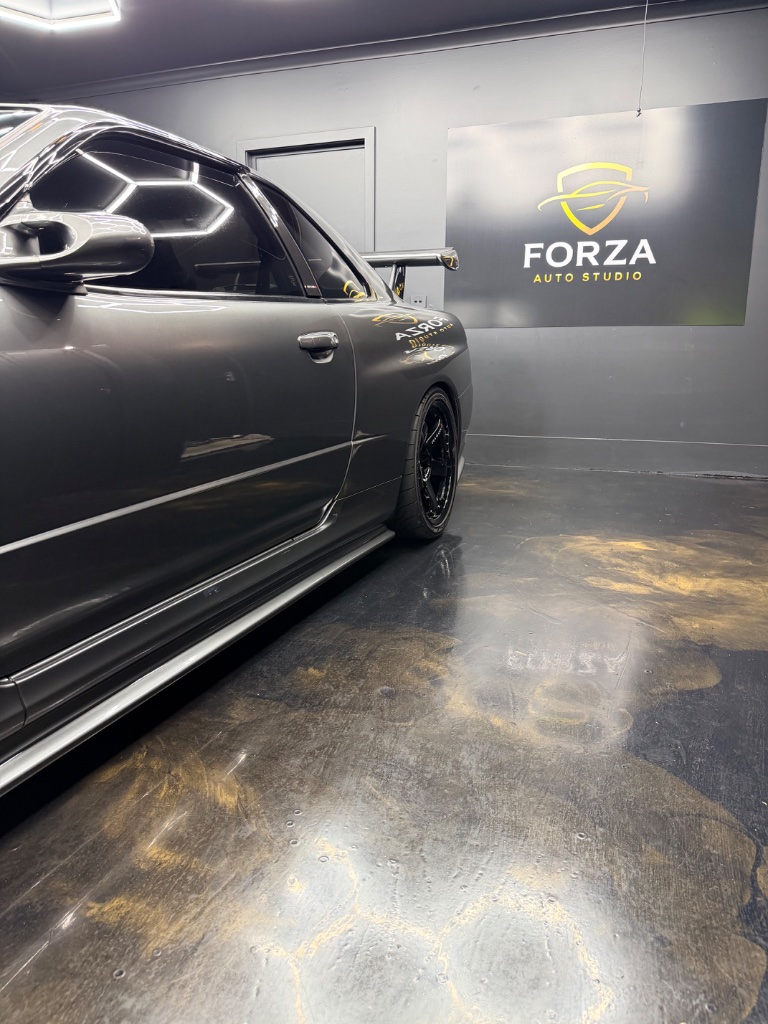
A Canberra paint care guide needs to account for more than a vehicle’s weekly wash. Strong summer UV, dry dust, tree fallout, cold winter mornings and the occasional road trip through surrounding NSW all leave their mark on paintwork. The aim is not to chase an unrealistic, permanently flawless finish. It is to preserve clarity, depth and gloss by removing contamination safely, reducing avoidable wash damage and addressing paint defects before they become the feature of the vehicle.
For most owners, the best care routine is simple and consistent. The detail lies in choosing the right method for the condition of the paint, the way the vehicle is used and the protection already in place.
Start with the condition of the paint
Before choosing a wash product, polish or ceramic coating, assess what is actually on the surface. A car can look clean while carrying bonded contamination, water spotting, light oxidation or fine swirl marks that only appear in direct sunlight. New vehicles also benefit from inspection. Dealership preparation, transport films, storage and early washing can leave marks behind before the owner has spent much time with the car.
Paint defects are not all treated in the same way. Surface contamination may be removed through a careful decontamination process. Mineral deposits can require a targeted water-spot treatment. Swirl marks and isolated scratches may need paint correction, which uses measured machine polishing to refine the clear coat and restore paint clarity. The correct approach depends on paint thickness, paint type, the depth of the defects and the owner’s expectations.
That inspection-led approach matters because aggressive polishing is not automatically better. Paint correction is a controlled refinement process, not a reason to remove more clear coat than necessary. On a well-kept daily driver, a paint enhancement may provide the right improvement. A special vehicle with heavier defects may justify a multi-stage correction. There is no fixed package that suits every car.
Canberra paint care guide: wash without creating swirls
Most light swirl marks come from contact with dirty paint. Dust and road film are abrasive when dragged across the surface with a wash mitt, drying towel or even a quick wipe at the servo. The safest wash begins by removing as much loose contamination as possible before any contact is made.
Work in the shade on cool panels where possible. Rinse the vehicle thoroughly, including wheel arches, lower doors, sills, grilles and the rear of the car where road grime collects. Apply a quality pH-neutral wash solution or pre-wash product, allow it to dwell as directed and rinse again. This softens and carries away soil that would otherwise be worked into the paint during the hand wash.
Use a clean, soft wash mitt and a dedicated bucket of rinse water fitted with a grit guard. Wash from the upper panels down, rinsing the mitt frequently and leaving the dirtiest lower sections until last. Wheels need separate brushes, wash media and towels. Brake dust and road grime should never be transferred from wheels to paintwork.
Drying deserves the same care. A clean, high-quality microfibre drying towel should be laid over the panel and gently drawn across it, rather than pressed and rubbed repeatedly. Blotting works well on more delicate areas. If water has been left to bake on hot panels, do not scrub at the residue. Re-wet the area and assess whether a dedicated water-spot treatment is needed.
A touchless wash can be useful when the vehicle is lightly dusty or time is limited, particularly if it avoids unnecessary contact. It will not always remove traffic film fully, and it should not become a substitute for periodic careful hand washing. The priority is always reducing friction on contaminated paint.
Decontamination is not the same as washing
Regular washing removes loose dirt. It does not necessarily remove the contaminants that bond to paint, glass and wheels over time. These can include industrial fallout, brake dust, tree sap, tar and mineral deposits. The surface may feel rough after washing, or the paint may lose the crisp reflection it once had despite appearing clean.
A professional decontamination process uses the appropriate chemical and mechanical methods for the contamination present. Iron removers can address ferrous particles, tar removers can dissolve road residue, and a clay treatment may be used carefully where required. Mechanical decontamination can mark a neglected surface if handled poorly, so it is usually followed by polishing when paint refinement is the goal.
There is a balance here. Decontaminating too often without need adds contact to the paint. For a garaged enthusiast vehicle, an annual assessment may be enough. A daily driver that spends long periods outside, travels frequently or sits beneath trees may need attention sooner. The paint itself should determine the interval.
Correct defects before protecting them
Ceramic coating performs best on clean, properly prepared paint. It can improve water behaviour, make routine washing easier and help maintain a refined finish, but it does not remove swirl marks, scratches or etching already in the clear coat. Applying protection over defects simply preserves their visibility.
Paint correction should therefore come before a coating when the owner wants to restore gloss, clarity and depth. During correction, the paint is measured and inspected under suitable lighting, then refined with combinations of pads, compounds and finishing polishes selected for that vehicle. The result should look natural and clean, with improved definition rather than an artificially dressed appearance.
Not every scratch can or should be removed. If a scratch has passed through the clear coat, polishing may soften its appearance but cannot safely make it disappear. Similarly, severe etching or previous repair work needs an honest assessment. Good vehicle preservation is about informed decisions and safe improvement, not overstating what the paint can tolerate.
Maintain a ceramic coating properly
A ceramic coating reduces the effort required to keep a vehicle clean, but it still needs maintenance. Dirt, oils and mineral deposits can sit on top of the coating and reduce its water behaviour. When owners assume the coating has failed, the issue is often contamination rather than the protection itself.
Avoid harsh household cleaners, strong degreasers and abrasive polishes unless they are specifically appropriate for the surface. Use pH-neutral wash products, soft wash media and clean drying towels. Do not let bird droppings, bug residue or tree sap remain on the paint longer than necessary. These contaminants can etch or stain when heat and time are involved, whether the car is coated or not.
For coated vehicles, periodic specialist maintenance helps identify changes early. That may include a careful wash, decontamination where suitable, inspection of high-wear areas and maintenance of coated wheels, glass and exterior plastics. It also keeps the care routine aligned with how the vehicle is actually being used rather than relying on a generic calendar reminder.
Pay attention to the surfaces around the paint
Paintwork receives most of the attention, yet wheels, glass, trim and interior materials shape how well a vehicle presents and ages. Wheels collect corrosive brake dust and should be cleaned regularly with appropriate products and dedicated tools. Exterior plastics benefit from protection that does not leave an oily residue or attract dust. Glass should be kept clean inside and out, especially through Canberra’s low winter sun when smears become immediately obvious.
Inside, vacuuming alone is not preservation. Leather, fabric, alcantara, piano-black trim and touchpoints all need surface-appropriate cleaning. Over-saturating materials or applying glossy dressings can create problems rather than solve them. A clean, matte and well-maintained interior is usually the right outcome for a vehicle intended to be enjoyed and retained.
Set a routine that matches your vehicle
A weekend car stored indoors may only need gentle washing after use and a periodic condition check. A black daily driver parked outdoors will reveal dust, water spots and wash marks far more readily, so a more regular routine is sensible. A classic or low-volume performance vehicle may require greater caution around older paint, delicate trim and previous repairs.
The useful question is not, ‘What is the biggest treatment available?’ It is, ‘What will preserve this particular vehicle from here?’ At Forza Auto Studio, that starts with inspecting the finish and understanding how it will be used. Consistent, considered care will do more for long-term vehicle preservation than a one-off cosmetic fix ever can.