



A vehicle can look new on collection day and still carry wash-induced swirl marks, water spotting or light scratches within months. That is why car preservation is not simply about applying protection once. It is a considered approach to assessing the finish, correcting what can be safely improved, protecting vulnerable surfaces and maintaining the vehicle with methods that do not undo the work.
For owners who value a clean, well-presented vehicle, the objective is straightforward: retain as much clarity, depth and condition as possible for as long as practical. The right process will differ between a new European vehicle, a regularly driven performance car, a cherished classic or a daily driver parked outdoors in Canberra conditions.
What Car Preservation Actually Means
Vehicle preservation begins with condition, not a preset package. Paintwork may look glossy from a distance while showing swirls under direct lighting, bonded contamination across the panels, mineral deposits from water, or dullness caused by oxidation and poor washing technique. Interiors, wheels, glass and exterior plastics also age differently and require their own approach.
A proper inspection considers the paint’s condition, the vehicle’s age, how it is used, where it is stored and what the owner expects from it. A car driven daily through changing weather will need a practical maintenance plan. A weekend vehicle may justify a more detailed correction process and a different protection strategy. Neither approach is automatically better - it needs to suit the car and its use.
The aim is not to chase an unrealistic perfect finish. It is to restore gloss, clarity and depth where the paint safely allows it, then reduce the rate at which new defects accumulate.
Why Preparation Determines Long-Term Results
Protection is only as good as the surface beneath it. Applying a ceramic coating over embedded contamination, water spots or uncorrected paint defects may add gloss, but it does not remove the underlying issue. In some cases, it can make defects more apparent once the surface is clean and reflective.
Preparation usually starts with a careful exterior wash and chemical decontamination. This removes traffic film, iron fallout, tar and other bonded contaminants that normal washing does not address. Mechanical decontamination may also be required where the paint feels rough, though it must be carried out thoughtfully to minimise unnecessary marring.
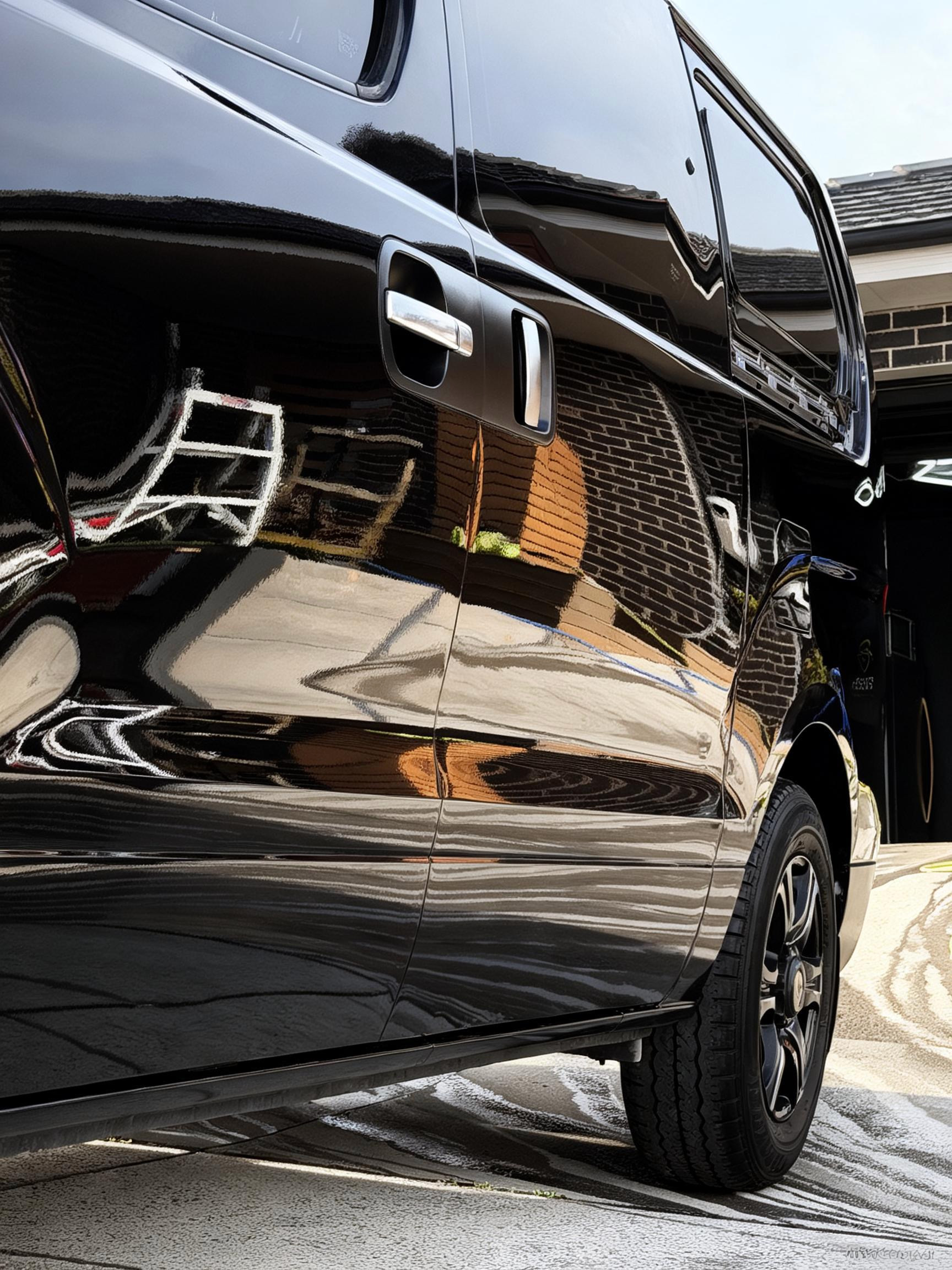
From there, paint thickness and defect severity should guide the correction work. Paint correction uses machine polishing to safely reduce swirl marks, light scratches, oxidation, haze and other visible paint defects. Some marks can be substantially improved; others may be too deep to remove without taking an unacceptable amount of clear coat. Preserving paint thickness is more valuable than pursuing an aggressive correction for a marginal visual gain.
That judgement is central to specialist work. A newer vehicle with dealership preparation marks may need a paint enhancement to sharpen its gloss. A well-used vehicle may benefit from a multi-stage correction where the paint condition and available thickness support it. A classic car with original paint calls for even more restraint.
Correction Is Not the Same as Concealment
Glazes and fillers can temporarily mask light defects, particularly under showroom lighting. Paint correction, by contrast, is intended to refine the paint itself through measured polishing. The finish should be inspected under suitable lighting so the actual result is understood before protection is applied.
This matters because clear, honest expectations lead to better preservation decisions. The goal is a finish that presents exceptionally well in real conditions, while keeping the vehicle’s long-term health in mind.
Ceramic Coating Has a Clear Role
A professional ceramic coating is often an effective part of a preservation plan, but it is not armour. It will not stop stone chips, prevent every scratch or remove the need for careful washing. Its value is in creating a more resistant, easier-to-maintain surface once the paint has been properly prepared.
On paintwork, a ceramic coating can improve water behaviour, reduce the adhesion of grime and make routine washing more efficient. It can also help preserve the clean, reflective appearance achieved through paint correction. Coatings can be appropriate for wheels, exterior plastics and glass as well, where each surface benefits from tailored preparation and suitable protection.
The practical benefit is often most noticeable after a few washes. Dirt releases more readily, drying is easier and the vehicle is less likely to need harsh cleaning methods to look presentable. That does not eliminate maintenance, but it makes correct maintenance easier to sustain.
Ceramic coating suitability depends on several factors. A vehicle that is regularly parked under trees, exposed to sprinklers or driven frequently will still need contaminants removed promptly. Fresh bird droppings, tree sap and mineral-heavy water should not be left to sit simply because a coating is present. Protection buys time and improves cleanability; good habits remain essential.
The Habits That Preserve a Corrected Finish
Most paint defects develop gradually through repeated contact. Improper wash tools, dirty towels, rushed drying and infrequent cleaning allow fine abrasion and contamination to build over time. Preservation is less about one dramatic treatment and more about reducing those small sources of damage at every stage.
Use clean, high-quality wash media and separate tools for lower, dirtier areas such as wheels and sills. Pre-rinsing the vehicle and using a suitable pre-wash step helps remove loose grit before physical contact begins. Wash in shade where possible, especially during warmer Canberra periods, and avoid allowing cleaning products or mineral-rich water to dry on the surface.
Drying deserves the same care as washing. A clean, absorbent drying towel and appropriate drying aid can reduce friction, particularly on darker colours where fine marks show readily. Avoid using old bath towels, abrasive sponges or one bucket of water for every surface.
Between full washes, be cautious with quick-detail sprays and dry wiping. Removing a small fingerprint from a clean panel is one thing; wiping dust or road film from a dry vehicle can create fine scratches. When the surface is visibly dirty, a proper wash is the safer option.
Maintenance Should Match the Vehicle’s Life
A garaged weekend car may remain clean for extended periods but still benefit from regular inspections for dust, water spots and contaminants. A daily-driven ute, SUV or sedan may need more frequent washing due to road grime, rain, pollen and brake dust. There is no fixed interval that suits every owner.
The better question is whether contamination is being allowed to remain on the finish long enough to become difficult to remove. Consistent, gentle maintenance is generally preferable to waiting until the vehicle needs aggressive cleaning.
Preserve More Than the Paint
Paintwork receives most of the attention because it is highly visible, but a complete vehicle-preservation approach considers the surfaces that influence how the car ages as a whole. Wheels collect brake dust and road contamination. Glass can develop mineral spotting. Exterior plastics can fade or become chalky. Leather, trim and carpet can wear prematurely when spills, oils and UV exposure are ignored.
Interior preservation is not about making every cabin look artificially glossy. It is about cleaning materials correctly, protecting them where appropriate and retaining the original appearance and feel of the vehicle. Matte trim should remain matte, leather should be clean rather than slippery, and high-contact areas such as steering wheels and bolsters should be addressed before accumulated grime causes lasting discolouration.
For a vehicle intended to be kept long term, documenting its condition and maintaining it consistently also supports presentation when the time comes to sell. This is not a guarantee of resale value, but a well-kept vehicle generally communicates ownership care more clearly than one with neglected paint, stained trim and inconsistent maintenance.
An Inspection-Led Plan Is More Useful Than a Package
The best preservation plan is not necessarily the most extensive one. It is the one that deals with the vehicle’s actual condition and gives the owner a realistic way to maintain the result. A new car may need decontamination, paint refinement and protection before defects become established. An older vehicle may need correction in selected areas, deep cleaning and a manageable protection programme. Some vehicles simply need specialist maintenance to reset and retain an existing finish.
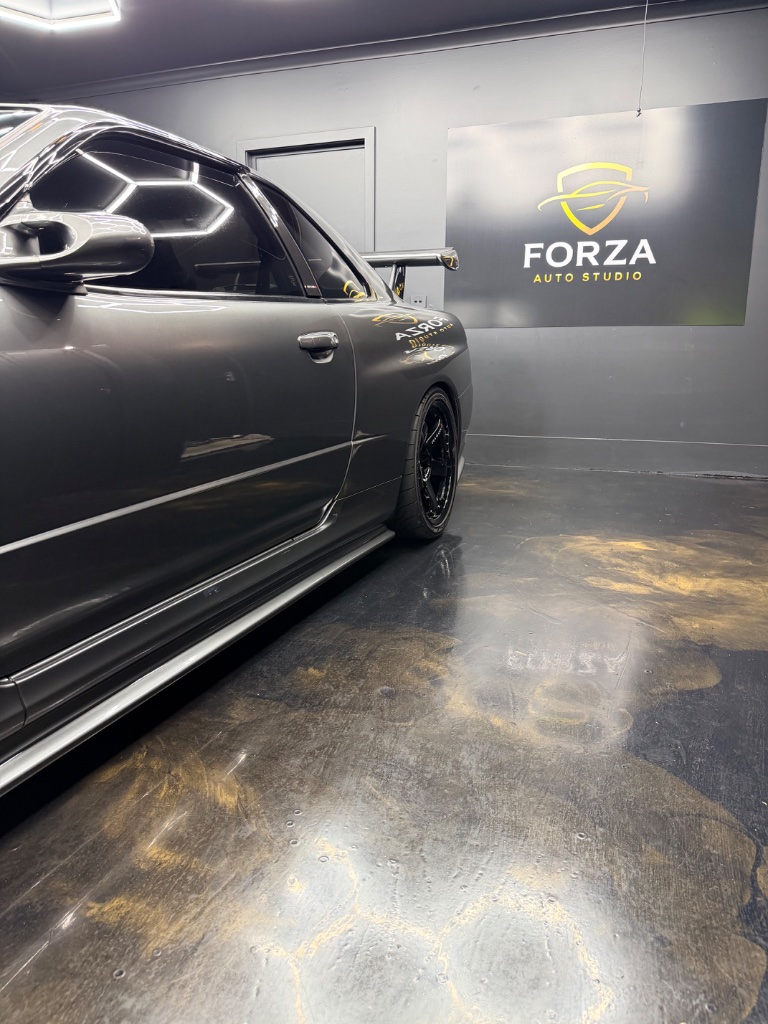
At Forza Auto Studio, each vehicle is assessed individually before a recommendation is made. That allows PJ to consider the paint, the intended use and the owner’s expectations rather than treating every vehicle as the same job.
A preserved vehicle should still be used and enjoyed. The discipline lies in noticing contamination early, washing with care and choosing correction or protection work that respects the condition of the car you intend to keep.