


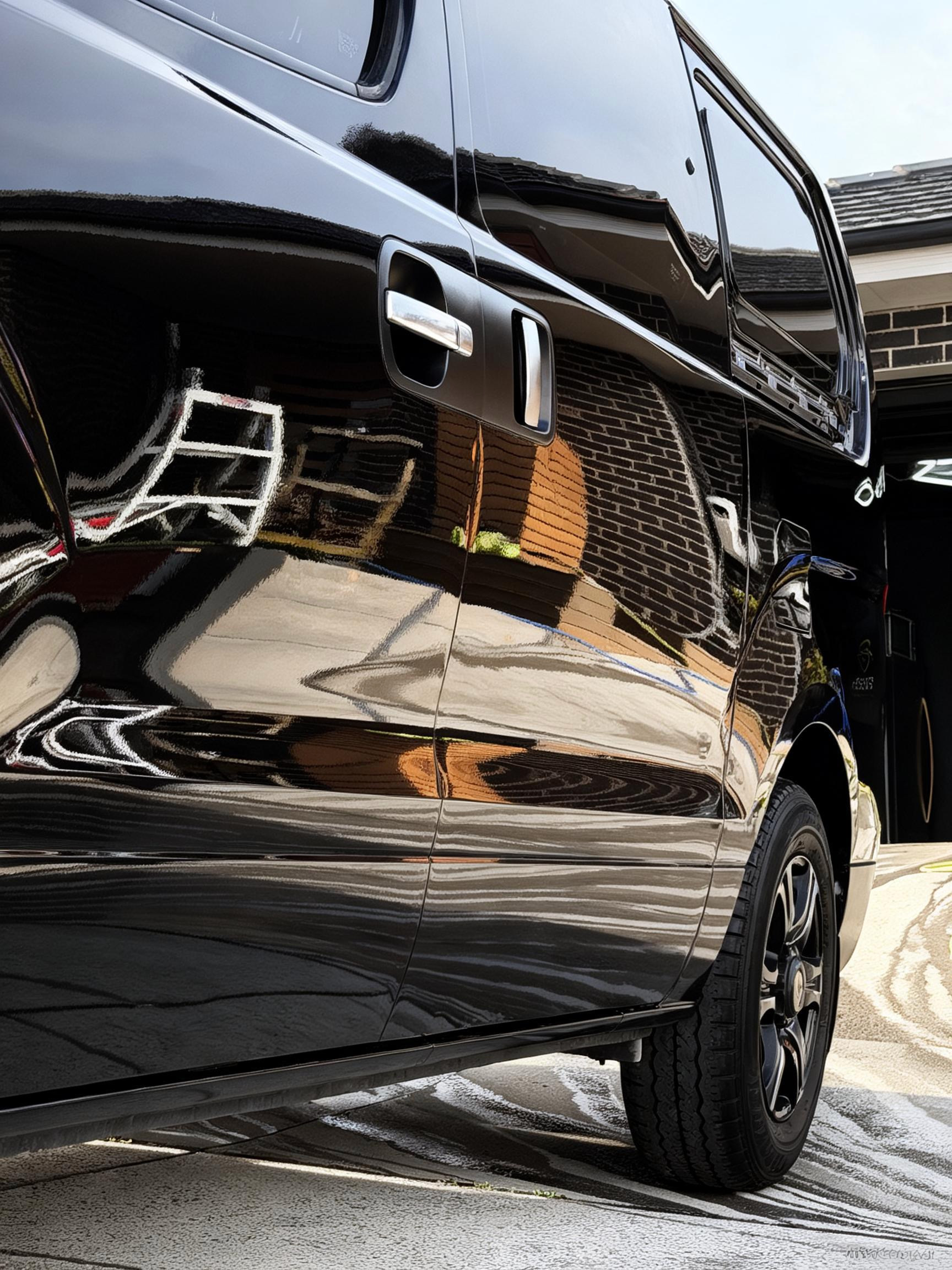


A scratch can look minor in the garage, then become the only thing you see when the sun catches the panel. Effective car scratch removal Canberra vehicle owners can rely on is not about masking that mark for a few weeks. It begins with identifying what has actually been damaged, how much paint is available to work with, and whether correction or repair is the sensible path.
Modern automotive paint is a layered system. Treating every mark the same way can compromise the finish, particularly on vehicles with softer paint, complex panel shapes, previous repair work or already-thin clear coat. A considered inspection protects the vehicle as much as the correction itself.
Not Every Scratch Is the Same
The word “scratch” covers a wide range of paint defects. Some are superficial marks in the clear coat. Others have passed through the clear coat and colour layer, exposing primer, metal or plastic beneath. The difference determines whether paint correction can safely improve the area or whether a paint repair is required.
Light wash marring, swirl marks and fine scratches are often most visible under direct sunlight or workshop inspection lighting. These defects sit within the upper portion of the clear coat and can frequently be reduced significantly through paint correction. When the surrounding paint is refined correctly, the panel regains clarity, depth and gloss rather than simply looking temporarily shiny.
A deeper scratch may catch a fingernail, appear white against a dark vehicle, or reveal a contrasting colour beneath the surface. It may still be possible to improve its appearance, but complete removal is not always appropriate or possible without removing too much surrounding clear coat. On a vehicle intended for long-term preservation, retaining a healthy paint film is more important than chasing an artificial idea of perfection.
What Paint Correction Can and Cannot Do
Paint correction is the controlled refinement of painted surfaces using specialist machine polishers, pads and abrasive compounds. The process levels a very small amount of clear coat around shallow defects, reducing the contrast between the scratch and the surrounding surface.
This is why quality correction is more involved than applying a polish. Paint type, paint thickness, panel condition and defect severity all affect the approach. A hard European clear coat may require a different pad and compound combination to a softer Japanese paint system. Curved edges, body lines and repainted panels also need extra care.
The aim is to restore gloss, clarity and depth while preserving as much paint as practical. A paint depth gauge may be used to understand the paint system before substantial correction begins, particularly on enthusiast, prestige and classic vehicles. This helps guide the level of correction that is sensible for the vehicle, not just visually dramatic on the day.
Paint correction can often improve light scratches, scuffs, wash-induced swirl marks, oxidation and isolated water spotting. It cannot reliably remove a scratch that has cut through the paint layers. In those cases, options may include carefully improving the surrounding area, a controlled touch-up where appropriate, or referral for paint repair. The right choice depends on visibility, panel location, the owner’s expectations and the vehicle’s overall condition.
Why a Quick Polish Is Not Always the Answer
A panel can look glossy immediately after a polish while deeper defects remain hidden by filling oils or heavy gloss products. Once those products wash away, the marks may become visible again. True correction is assessed after thorough preparation and controlled inspection lighting, not just by how the paint looks wet.
There is also a trade-off. More aggressive polishing can remove more visible defects, but it also removes more clear coat. For a newer car with dealer-installed wash marks, a paint enhancement may be enough to make a substantial improvement. For a heavily marked vehicle, a multi-stage paint correction may be justified. For an older original finish, a preservation-focused approach may deliver the best long-term outcome.
The Process Behind Considered Scratch Removal
A professional result starts before a machine polisher touches the paint. The vehicle needs to be cleaned and decontaminated properly so bonded contamination, traffic film, iron fallout and other surface deposits do not interfere with the correction process. These contaminants can affect polishing performance and create unnecessary risk if dragged across the panel.
Following decontamination, the paintwork is inspected panel by panel. This reveals the real condition beneath dirt, road film and temporary gloss. It also allows the work to be tailored to the vehicle rather than applied as a fixed package.
A test section is then refined to establish the least aggressive combination capable of producing the desired improvement. This small but important stage shows what is realistically achievable on that particular paint. It informs whether a single-stage enhancement will provide sufficient gloss enhancement, or whether a more involved correction process is warranted.
Once the correction work is complete, the finish is prepared for protection. The purpose is not simply to make the vehicle look better when collected. It is to leave the paintwork cleaner, clearer and easier to maintain over time.
Ceramic Coating After Scratch Correction
Ceramic coating is often a sensible next step once paint defects have been reduced. It does not remove scratches, fill deep marks permanently or make paint immune to damage. What it can do is provide a durable, chemically resistant protective layer that assists with washing, drying and ongoing presentation when properly maintained.
A ceramic coating is most valuable when applied to well-prepared paint. Coating over swirl marks, scratches or dullness locks in the existing appearance rather than improving it. Correcting the paint first gives the coating a clearer, more reflective foundation and allows the vehicle’s colour and gloss to present at their best.
For Canberra owners, routine care matters after coating. Dust, rain, tree debris and mineral-laden water can still settle on the vehicle, and coated surfaces still need safe washing. Regular maintenance helps prevent the fresh wash marring and water spotting that often undermine otherwise well-kept paintwork.
Safer Washing Makes the Difference
Most recurring light scratches are introduced during washing and drying, not while driving. Use clean, quality wash media, suitable shampoo and dedicated drying towels. Avoid wiping dust from a dry panel and do not use a brush or sponge that has been dropped on the ground.
The technique should be gentle and methodical. Pre-rinsing helps remove loose contamination before contact washing, while drying with a quality towel and drying aid reduces friction. These simple habits protect the correction work far better than repeatedly polishing the same panels.
When to Arrange an Inspection
It is worth arranging an inspection if scratches have become obvious in sunlight, the paint feels rough after washing, water spots remain after normal cleaning, or the finish looks flat despite being clean. It is also sensible before applying a ceramic coating to a new or used vehicle. New paint is not necessarily defect-free, and used vehicles often carry wash marks or contamination that are easier to address before protection is installed.
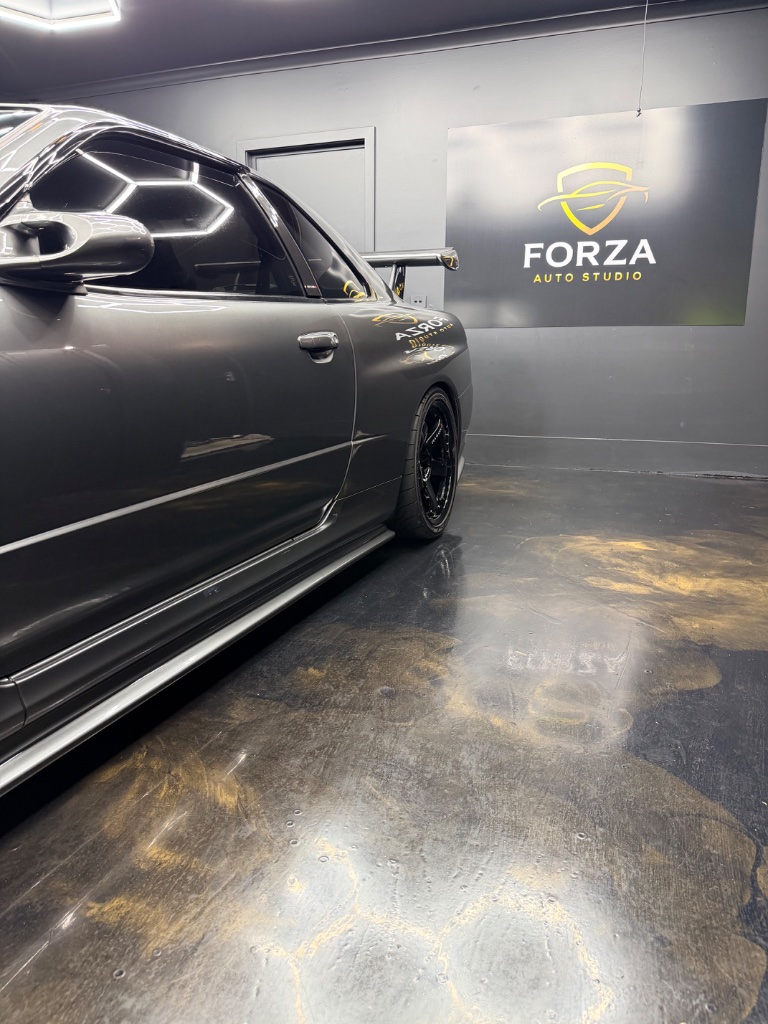
Forza Auto Studio approaches car scratch removal through an inspection-led process. PJ assesses the paint condition, the vehicle’s intended use and the level of improvement that makes sense for its paintwork. Some cars need targeted correction around handles, door edges and load areas. Others benefit from a full enhancement or multi-stage correction before ceramic coating. The recommendation should reflect the vehicle, not a predetermined package.
A meaningful improvement does not always mean removing every visible mark. On a cherished daily driver, the priority may be restoring overall gloss and making maintenance easier. On a classic or low-kilometre vehicle, preserving original paint may guide a more conservative approach. Both are valid outcomes when the work respects the vehicle’s condition and future.
The best time to address scratches is before they become part of the vehicle’s accepted appearance. A careful inspection can establish what is safely correctable, what needs repair, and how to preserve the refined finish once the work is complete.