


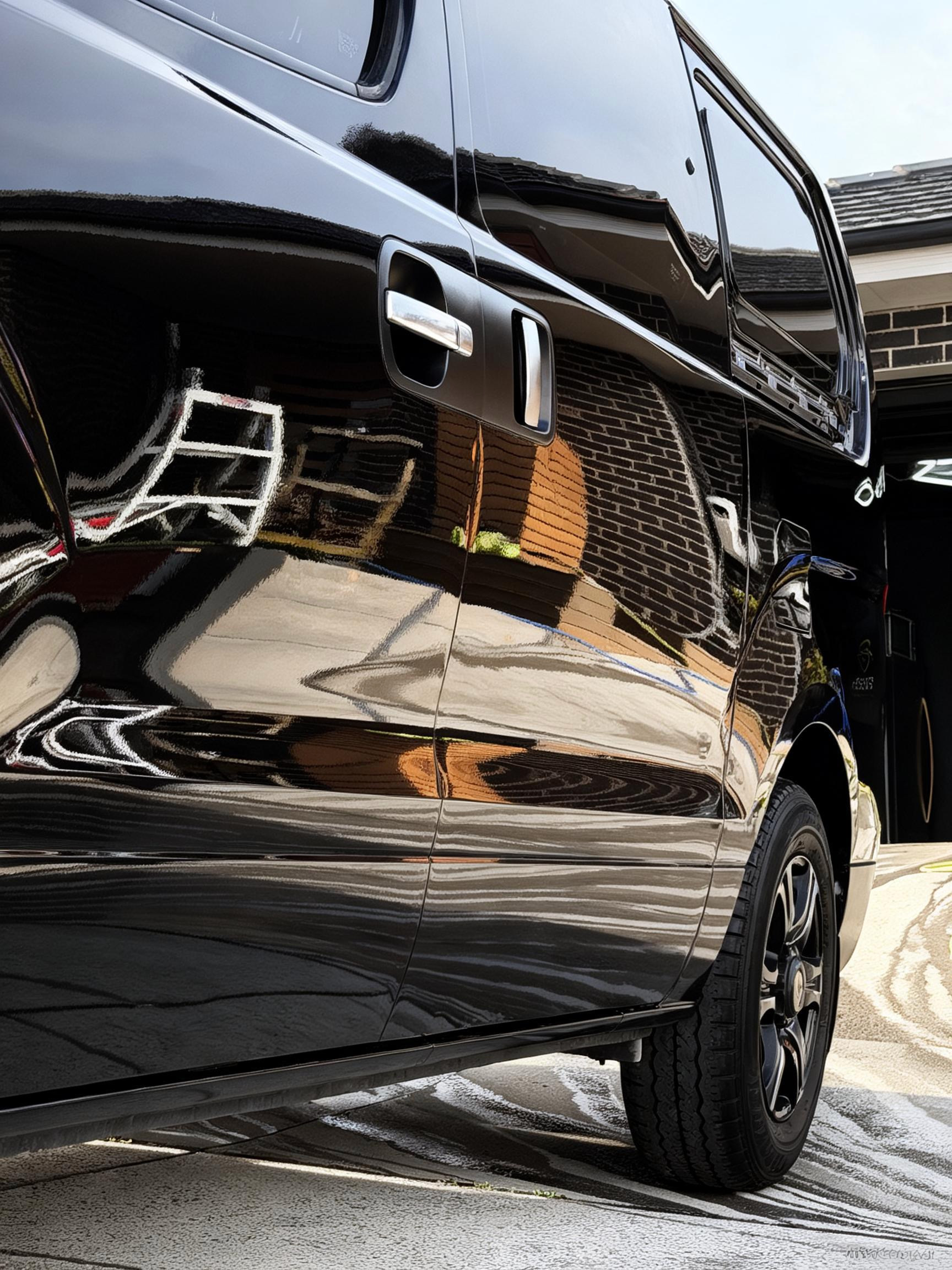


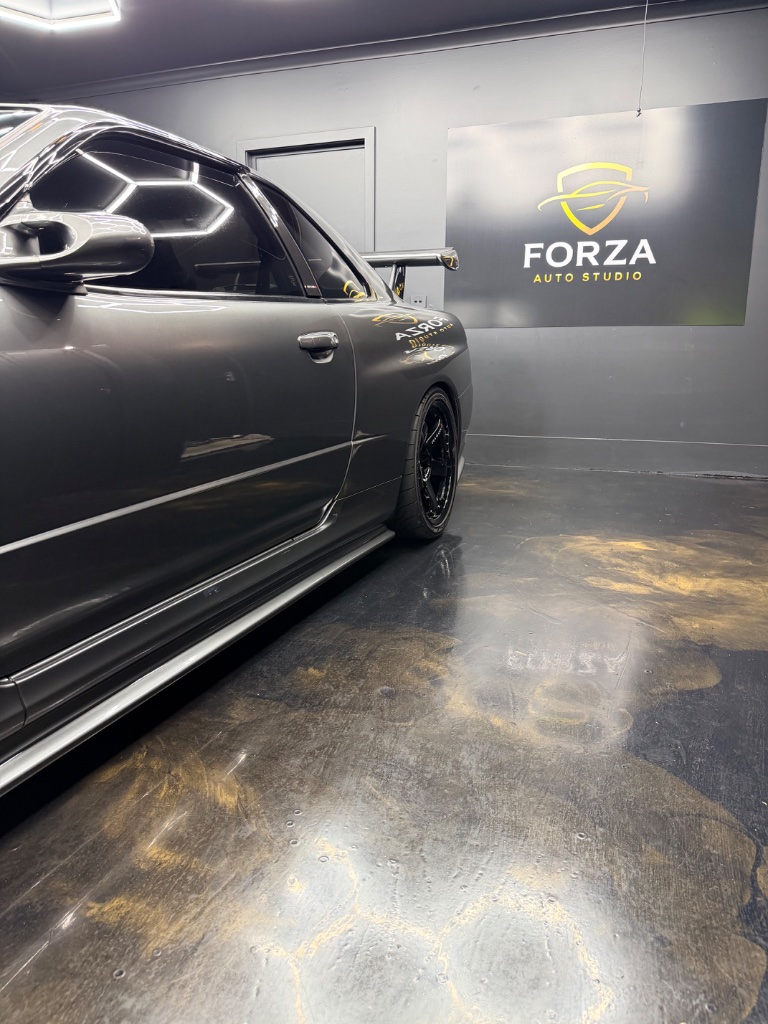
A new vehicle can look exceptional under showroom lighting, then reveal light marring, wash marks and reduced clarity within months of regular use. For owners considering ceramic coating Canberra, the right question is not simply whether a coating adds gloss. It is whether the paint beneath it has been properly assessed, prepared and protected for the way the vehicle is actually used.
A professional ceramic coating is a preservation measure. It can make washing easier, improve water behaviour and help reduce the impact of everyday contamination, but it is not a substitute for careful washing or a correction process where paint defects are already visible. The quality of the result is determined long before the coating is applied.
What ceramic coating is designed to do
Ceramic coatings are liquid-applied protective systems that cure and bond to the vehicle's clear coat. Once cured, they create a chemically resistant, hydrophobic surface that changes how water, dirt and many contaminants interact with the paint.
The most immediate benefit is usually visual. A properly prepared and coated finish can present deeper colour, sharper reflections and a cleaner-looking gloss. On dark paint in particular, the difference between a hazy surface and one with genuine clarity is substantial.
The practical benefit matters just as much. Water tends to bead and sheet more readily, which can make routine washing more efficient. Road film, dust, bug residue and grime may release more easily when addressed promptly. The surface is also better equipped to withstand common environmental exposure than unprotected paint.
That does not mean a coating makes paint invulnerable. It will not prevent stone chips, eliminate the risk of scratching, or allow bird droppings and tree sap to remain on the surface indefinitely. It is a high-performing sacrificial barrier, not an excuse to neglect the vehicle.
Why ceramic coating Canberra vehicles need preparation
Canberra conditions can be demanding on a vehicle's finish. Strong UV exposure, cold mornings, seasonal pollen, road grime and airborne contamination all leave their mark over time. A vehicle parked outside most days has different preservation requirements from a weekend car stored in a garage, but both benefit from a considered approach.
Before coating, the paint should be inspected under appropriate lighting. This identifies swirl marks, wash-induced marring, random scratches, water spotting, oxidation and other defects that diminish gloss. A coating can intensify the appearance of paint because it increases reflectivity. If defects are left beneath it, they are not concealed - they are often more apparent.
Paint correction is the controlled process of refining the clear coat to reduce or remove these defects. Depending on the condition of the vehicle and the owner's priorities, this may range from a light enhancement to more intensive correction. The aim is not to chase perfection at the expense of paint thickness. It is to restore meaningful clarity, depth and gloss while making decisions that respect the vehicle's long-term condition.
This is why an inspection-led recommendation matters. A recently delivered car may still require refinement due to transport marks, dealership washing or factory finishing variations. A well-maintained older vehicle may need less correction than expected. Each finish should be assessed on its merits rather than placed into a fixed package.
Decontamination is not an optional extra
Even paint that feels smooth can hold bonded contaminants. Iron particles, tar, road film and mineral deposits can interfere with surface preparation and coating adhesion. Thorough washing, chemical decontamination and, where required, mechanical decontamination provide the clean foundation needed for correction and coating.
After refinement, the paint is carefully cleansed to remove polishing residues and oils. Only then is the coating applied in controlled conditions, panel by panel, with attention to coverage, levelling and cure time. That methodical preparation is what separates a durable, even result from a surface that merely looks impressive on collection day.
Choosing the right approach for your vehicle
Ceramic coating is well suited to owners who want to preserve a vehicle that is already special to them, whether it is a new purchase, enthusiast car, performance model or carefully kept daily driver. It also makes sense when easier maintenance is valuable but a clean, high-end presentation remains the priority.
The right level of correction and protection depends on the paint's condition, its age, its colour and how the vehicle lives. A black daily driver that sees regular motorway use, outdoor parking and frequent washing requires a different maintenance plan from a low-kilometre weekend vehicle. Likewise, a ute used on regional roads will encounter different contamination from a city-based sedan.
Owners should also be realistic about their wash habits. A coating rewards proper maintenance, but poor tools and rushed washing can still create swirls. If the vehicle is cleaned with harsh brushes, strong unregulated chemicals or dirty wash media, the finish will gradually lose the clarity that correction restored.
Forza Auto Studio approaches this work one vehicle at a time, beginning with a direct inspection of the paint, trim, wheels and relevant high-contact areas. This allows the recommendation to follow the vehicle's actual condition and intended use, rather than a generic checklist.
Maintaining a coated finish properly
The coating's hydrophobic properties are most noticeable when the surface is clean. Once dust, traffic film and mineral contamination build up, water behaviour naturally becomes less dramatic. That does not automatically mean the coating has failed. In many cases, it simply needs a proper maintenance wash and decontamination.
Use a pH-neutral shampoo, clean wash media and a two-bucket method or another safe wash process that keeps grit away from the paint. Work from the upper panels down, rinse thoroughly and dry with a clean, quality drying towel rather than allowing mineral-rich water to evaporate on the surface.
Bird droppings, bug splatter and tree sap should be removed as soon as practical. Their acidity or stickiness can affect any automotive surface if left exposed to heat and sunlight. The same applies to fuel spills and hard-water spotting around mirrors, lower doors and the rear of the vehicle.
Automatic car washes deserve careful consideration. Even where the chemistry is mild, repeated contact with contaminated brushes can introduce marring. A coating may reduce how strongly dirt adheres, but it cannot prevent friction from marking clear coat.
Preservation is ongoing, not one appointment
A coating is best viewed as the start of a preservation plan. Periodic specialist maintenance gives the vehicle an opportunity to be safely cleaned, inspected and refreshed before contamination or wash damage becomes embedded. It also helps identify changing issues, such as new water spotting, tar accumulation, brake dust build-up or reduced coating performance.
This approach is especially valuable for owners who have invested in paint correction. The objective is not merely to maintain shine. It is to retain the clarity and depth created during refinement, helping the vehicle continue to present at a standard that reflects how it is cared for.
When a coating may not be the first step
Ceramic coating is not always the immediate answer. If the paint has significant defects, widespread staining or neglected contamination, correction and restoration should lead the discussion. Applying protection too soon can preserve a compromised appearance rather than improve it.
It may also be unnecessary for an owner who does not intend to maintain the vehicle appropriately or who is preparing it for a short-term change of ownership. There are still worthwhile cleaning and paint-refinement options in those circumstances. The best recommendation is the one that suits the condition of the car and the level of care it will receive afterwards.
A well-executed coating should make ownership feel more manageable while preserving the standard you value. Start with the paint in front of you, treat preparation as seriously as protection, and give the finish the considered maintenance it deserves.