

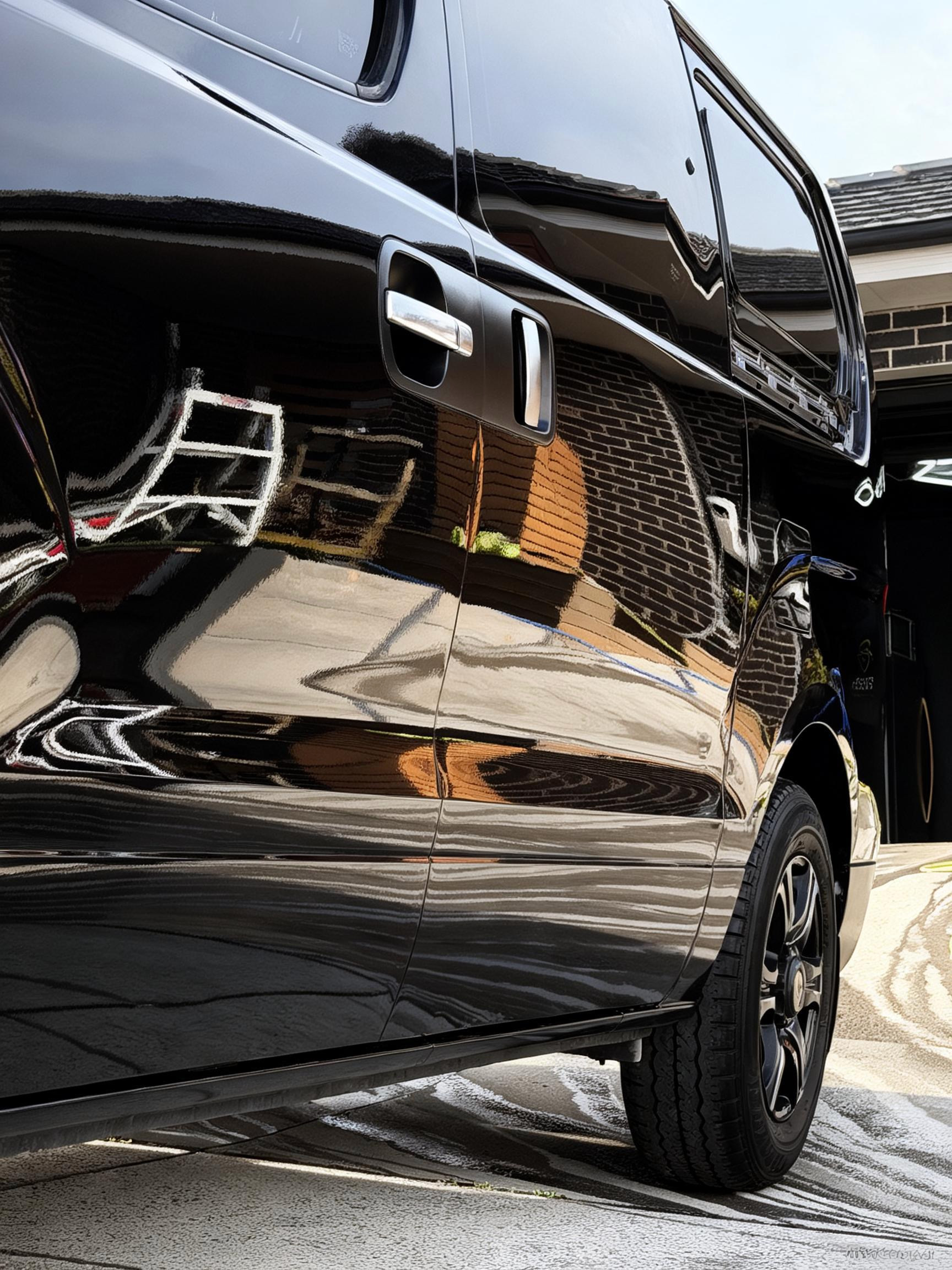

A freshly washed dark-coloured vehicle can look excellent for a moment, then reveal circular swirl marks and dullness as soon as it reaches direct sunlight. That contrast is where ceramic coating versus wax protection becomes more than a product choice. It is a decision about the condition of the paint beneath, how the vehicle is used and how you intend to care for it over time.
Wax still has a legitimate place in vehicle care. Ceramic coating offers a different level of chemical resistance and maintenance benefit. Neither is a substitute for sound preparation, careful washing or realistic expectations. The right option starts with an inspection of the paintwork, not a label on a bottle.
Ceramic coating versus wax protection: the key difference
A traditional car wax is a sacrificial protective layer, commonly based on natural carnauba, synthetic ingredients or a blend of both. It sits on top of the clear coat, adding gloss and water beading while helping reduce the direct impact of everyday environmental exposure. It is valued for the warmth and richness it can bring to paint, particularly on enthusiast and classic vehicles.
A professional ceramic coating is a liquid protection system applied to properly prepared surfaces. Once cured, it forms a more durable chemical bond with the paint than wax. Its primary advantages are stronger resistance to contaminants, improved water behaviour and easier routine cleaning. Coatings are also available for wheels, glass and exterior plastics, where tailored protection can make a genuine difference to maintenance.
The distinction matters because wax gradually wears away through washing, weather and exposure. A ceramic coating is designed for longer-term vehicle preservation, but it is not permanent and it is not invincible. It can still be affected by poor washing technique, mineral-rich water, harsh chemicals, abrasion and neglected contamination.
Protection begins with paint correction
Neither wax nor ceramic coating removes swirl marks, scratches, water spotting or oxidation. Both can temporarily disguise minor defects through added gloss, particularly wax, but they do not correct the paint.
For a vehicle with visible wash marring or a dull, hazy finish, paint correction should be considered before protection is applied. This is the controlled process of polishing the clear coat to safely reduce defects and restore gloss, clarity and depth. The level of correction should suit the paint condition, paint thickness, vehicle age and owner expectations. A well-maintained daily driver may benefit from a paint enhancement, while a special vehicle with extensive defects may warrant a more involved multi-stage correction.
Applying a ceramic coating over uncorrected paint preserves the existing appearance beneath it. The coating may make that finish easier to maintain, but it will not turn swirled paint into a crisp, reflective surface. The same is true of wax, although its oils can make fine marks appear less noticeable for a short period.
Preparation also includes a thorough wash and decontamination. Bonded fallout, road film, tar and embedded contaminants interfere with gloss and can prevent protection from performing as intended. On Canberra and surrounding NSW roads, where seasonal conditions, road grime and water spotting can all affect a vehicle’s finish, this preparation is not an optional cosmetic step. It is the foundation of the result.
What ceramic coating does well
A ceramic coating suits owners who want a refined finish to remain easier to clean between professional maintenance visits. Its low-surface-energy characteristics help reduce how strongly dirt and grime adhere to the paint. Water tends to bead or sheet more readily, making drying more efficient when the vehicle is washed correctly.
This does not mean the car stays clean by itself. Dust, road film and rain residue will still settle on it, and water spots can still form if mineral deposits are left to dry. The practical benefit is that contamination is generally less difficult to remove during a careful wash.
Ceramic coatings also offer useful chemical resistance against common contaminants. Bird droppings, bug residue and tree sap should still be removed promptly. Leaving acidic or organic contamination on any surface can lead to staining or etching, particularly in heat. Protection provides valuable time and resilience, not permission to delay care.
For wheels, coatings can be especially practical. Brake dust and road grime are often easier to release from protected wheel finishes, supporting safer and more regular cleaning. Glass protection can improve wet-weather visibility by assisting water movement across the windscreen, although wipers, glass condition and driving speed all influence the result.
Where wax makes sense
Wax remains a sensible option for vehicles that receive regular hands-on care, are used lightly, or have an owner who enjoys applying protection themselves. It can produce an appealing gloss enhancement and is easily renewed as part of a maintenance routine.
For a classic car stored indoors and driven selectively, a quality wax may align perfectly with the vehicle’s use. It allows the owner to inspect the paint often, replenish protection regularly and enjoy the ritual without needing the longer-term commitment of a coating.
Wax can also be appropriate where paint correction is not currently planned. If the goal is to tidy presentation and add a short-term layer of protection before an event, a wax application may be proportionate. It should simply be understood as maintenance protection, not a remedy for underlying paint defects.
Durability is not the only measure of value
It is easy to frame the choice around how long each product remains on the vehicle. That is only part of the picture. A coating’s value often lies in its ability to support better maintenance over a longer period, while wax offers flexibility and a finish that can be renewed whenever required.
The owner’s habits are just as important. A ceramic-coated vehicle washed with abrasive brushes, dirty wash media or strong unsuitable chemicals can develop fresh swirl marks. Conversely, a waxed vehicle that is washed carefully, dried with quality towels and protected regularly can remain in excellent condition.
The best protection system is therefore one that fits the vehicle’s real life. Consider whether it is a daily driver parked outdoors, a weekend performance car, a touring vehicle, a cherished classic or a new car receiving its first proper preparation after dealership handover. Consider too how often it is washed, where it is stored and whether ongoing specialist maintenance is preferred.
The maintenance standard still matters
Ceramic coating reduces the effort required to clean a vehicle, but it does not reduce the standard required to clean it properly. Use a pH-appropriate shampoo, clean wash media and a method that limits dragging grime across the paint. Dry the vehicle promptly with suitable microfibre towels or controlled air to reduce water spotting.
Avoid assuming aggressive cleaning is necessary because a coating is present. Most protected vehicles respond best to regular, gentle washing before contamination builds up. When a coating begins to seem less water-repellent, it may be carrying traffic film or mineral deposits rather than being worn out. A proper maintenance wash and decontamination assessment can clarify the cause.
Waxed vehicles need the same disciplined approach. The difference is that wax protection is replenished more frequently as part of that routine. If the water behaviour and gloss have noticeably diminished, it is usually time to clean, inspect and reapply.
Choosing the right protection for your vehicle
For a vehicle owner focused on long-term preservation, ceramic coating is often the stronger choice after suitable paint correction and careful preparation. It is particularly useful for newer vehicles, well-kept daily drivers and enthusiast cars where easier upkeep and a consistently refined appearance matter.
Wax may be the better fit where flexibility, regular owner-applied care or occasional use takes priority. It can also complement a preservation routine for selected applications, provided the chosen products are compatible with the existing protection system.
At Forza Auto Studio, the recommendation should follow the vehicle rather than a fixed package. The paint condition, intended use, storage, previous care and desired outcome all guide whether paint enhancement, correction, ceramic coating or a simpler protective approach is appropriate.
The finish you preserve tomorrow is shaped by the preparation and maintenance choices made now. Give the paintwork a clear assessment first, then choose protection that supports the way you genuinely use and care for the vehicle.