


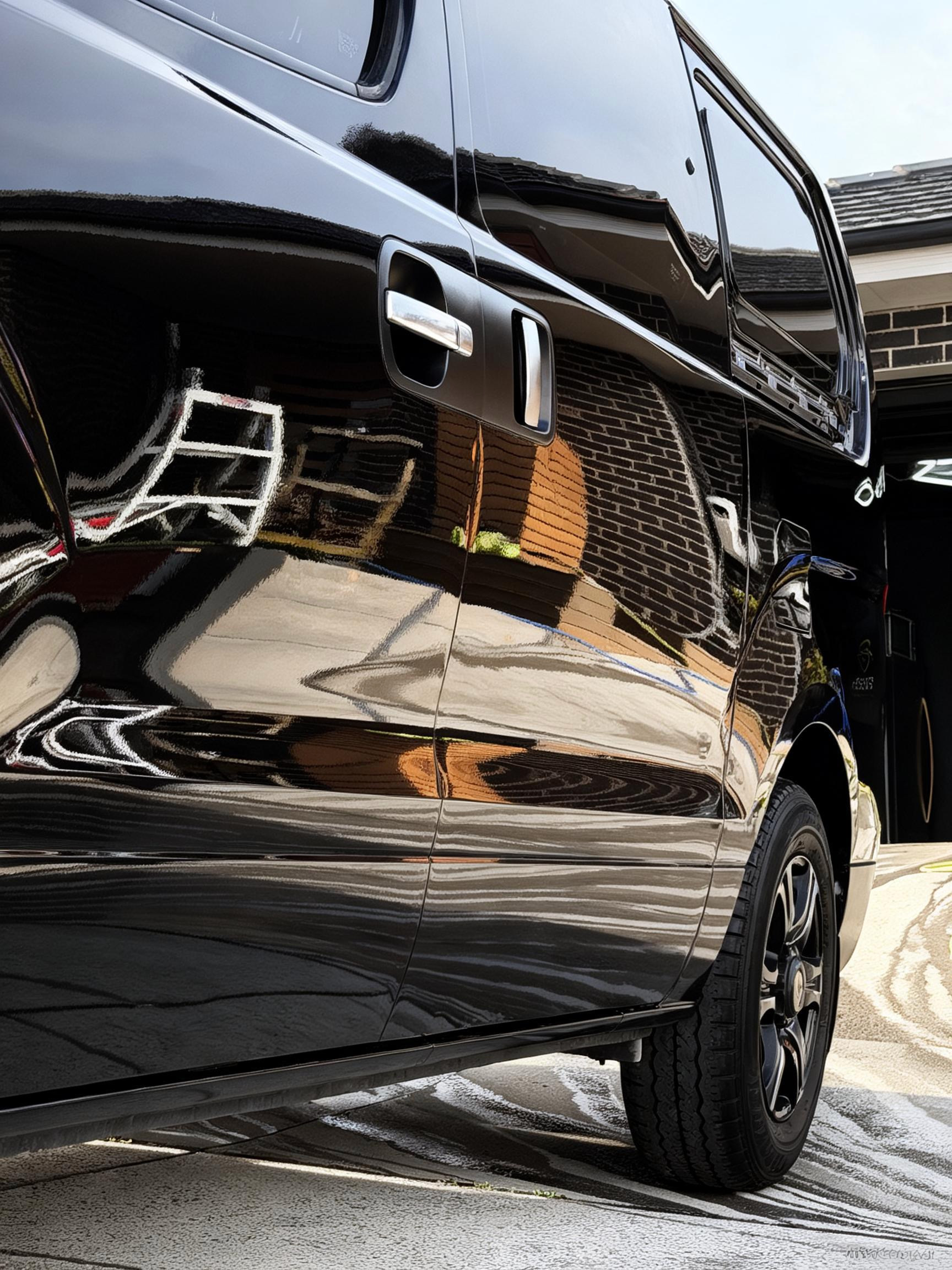


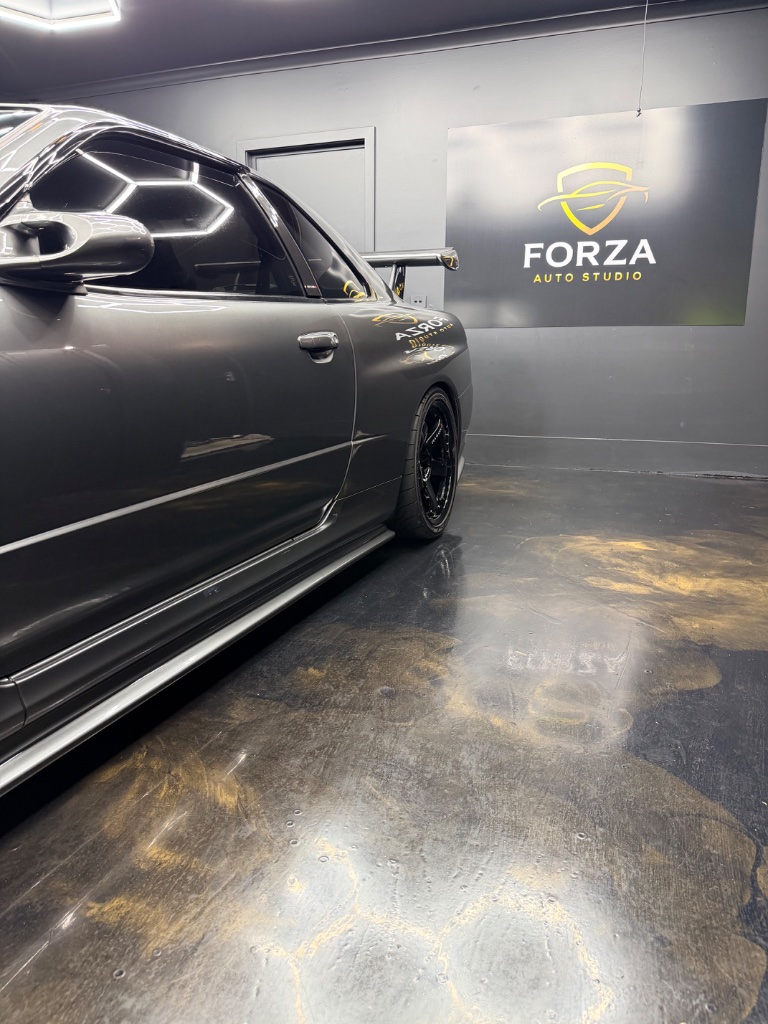
A vehicle can look clean yet still appear tired under direct sunlight. The usual cause is not dirt alone, but clearcoat damage: defects or deterioration in the transparent upper layer that gives automotive paint its gloss, depth and protection. Left unaddressed, some issues remain cosmetic while others can progress beyond the point where paint correction is appropriate.
Understanding the difference matters. A light wash-induced haze may respond extremely well to careful correction. Clear coat failure, on the other hand, cannot be polished away. An inspection-led assessment prevents unnecessary work and helps preserve as much original paint as possible.
What the clear coat actually does
Most modern vehicles use a basecoat-clearcoat paint system. The basecoat provides the colour, while the clear coat sits above it to create gloss and offer a degree of protection from UV exposure, weather, contamination and day-to-day contact.
That clear layer is thin. Its thickness varies between manufacturers, panels and previous repair work, but there is never an unlimited amount available to polish. Paint correction works by safely levelling a minute amount of the clear coat around defects, making the surface reflect light more evenly. It is a measured process, not simply aggressive polishing until every mark disappears.
This is why the condition of the paint must guide the approach. The best result is one that restores clarity and gloss while retaining a sensible margin of clear coat for the vehicle’s future.
Common types of clearcoat damage
The phrase clearcoat damage covers a wide range of paint defects. Some are superficial and correctable; some require a more conservative approach; others indicate coating failure that needs repainting rather than detailing.
Swirl marks and wash marring
Swirl marks are the fine, circular-looking scratches commonly visible in sun or workshop lighting. They are usually caused by washing or drying with contaminated tools, inadequate lubrication, automatic car washes, or wiping dust from dry paint.
Although they are often called scratches, many sit within the upper portion of the clear coat. Depending on paint hardness and depth, paint correction can substantially reduce or remove them, restoring a sharper reflection and richer colour. It is not always sensible to chase every isolated mark if doing so would require excessive removal of clear coat.
Random scratches and scuffs
Marks from fingernails behind door handles, bags brushing against a panel, incorrect drying, or contact with branches vary considerably. A useful rule is that a scratch that catches a fingernail may be too deep for complete correction, though this is not absolute.
A skilled correction process can still soften the edges of a deeper scratch, making it far less visible from normal viewing distance. This is often the right outcome for a well-used daily driver, classic vehicle or original paintwork where preservation takes priority over pursuing an artificial-looking finish.
Water spots and mineral etching
Canberra’s changing conditions can make water spotting particularly frustrating. When water dries on a vehicle, dissolved minerals are left behind. If deposits remain for an extended period, they can bond to the surface or etch into the clear coat, especially when heat accelerates the process.
Fresh mineral deposits may be removed through safe decontamination. Etching may need refinement by machine polishing. Severe etching can be deeper than it first appears, so correction should begin conservatively and be reassessed panel by panel.
Oxidation, dullness and contamination
Healthy clear coat has a smooth, reflective surface. Over time, UV exposure, industrial fallout, road film, tree sap, bug residue and bonded contamination can leave paint rough, hazy or flat. In early stages, thorough washing, chemical and mechanical decontamination, then gloss enhancement can make a substantial difference.
Oxidation is more common on older single-stage paints, but modern clear-coated vehicles can still lose clarity through environmental exposure and neglected maintenance. The key is to identify whether the dullness is sitting on the surface, within the clear coat, or caused by actual coating breakdown.
Clear coat failure
Clear coat failure is different from ordinary paint defects. It may present as peeling, flaking, cracking, cloudy patches, whitening, or an uneven and patchy appearance. UV exposure and age are common causes, particularly on horizontal panels such as bonnets, roofs and boot lids. Poor previous repairs can also fail prematurely.
Once the clear coat has delaminated or materially broken down, polishing cannot restore it. In fact, machine polishing can worsen an already compromised area. The correct remedy is generally paint repair and refinishing by an appropriate repairer, followed by sensible protection and maintenance once the new paint has cured as specified.
How clearcoat damage is assessed properly
A proper assessment begins with a clean vehicle, because dirt and road film can disguise defects or create a misleading impression of their severity. The paint should then be inspected under controlled lighting, where swirl marks, holograms, water spotting and uneven previous polishing become more apparent.
Paint depth readings are valuable where correction is being considered. They help identify variations across panels and can indicate prior repainting or repair work, although readings alone do not tell the entire story. Paint condition, defect depth, panel edges, paint type and the owner’s intended use all influence the plan.
For example, a newer vehicle with dealership wash marring may suit a targeted enhancement to restore clarity before ceramic coating. A cherished older vehicle with thin original paint may call for a gentler refinement, accepting a small number of deeper marks to retain paint safely. A vehicle with peeling clear coat requires a different conversation altogether.
When paint correction can help
Paint correction is effective when defects are within the workable portion of stable, intact clear coat. It can reduce swirl marks, light scratches, oxidation, water spot etching and haze, resulting in better gloss, sharper reflections and a more uniform finish.
The process generally includes thorough decontamination, test sections to establish the least aggressive effective method, controlled machine polishing, and a detailed inspection between stages. A test section is particularly important because it shows what the specific paint will respond to before a full vehicle approach is chosen.
Correction has limits. It cannot add clear coat, repair stone chips, remove every deep scratch safely, or reverse delamination. Honest recommendations should make those limits clear before work starts. Preserving original paint is often more valuable than forcing a short-term visual gain.
Protecting refined paintwork
After correction, the paint is at its clearest and easiest to protect. A professional ceramic coating can provide a durable protective layer that assists with cleaning, improves water behaviour and helps reduce the bonding of everyday contamination. It also enhances the appearance of well-prepared paint, but it does not replace preparation or make a vehicle immune to scratches, stone chips and water spotting.
The coating choice should suit the vehicle’s use, storage and maintenance routine. A regularly driven SUV parked outdoors faces different conditions from a weekend performance car kept in a garage. Wheels, exterior plastics and glass may also benefit from suitable protection, particularly where brake dust, road grime and water marks are persistent concerns.
Protection performs best when paired with sensible maintenance. Wash with clean, quality tools and adequate lubrication. Avoid dry wiping dust from paint. Remove bird droppings, tree sap and bug residue promptly, and do not allow mineral-heavy water to bake dry on hot panels. These simple habits reduce the fresh defects that gradually diminish gloss.
The value of early attention
Not every paint defect needs immediate correction, and not every vehicle needs a multi-stage process. However, early assessment is valuable when water spotting is worsening, gloss has noticeably faded, or a patch looks cloudy or uneven. Addressing surface contamination and minor defects before they become entrenched can preserve both the finish and the options available for future refinement.
If you are unsure whether a mark is ordinary marring, etching or genuine clear coat failure, resist the temptation to attack it with an abrasive product at home. A careful inspection can establish what the paint will safely tolerate and what will genuinely improve it. The most satisfying result is not perfection at any cost, but paint that retains its clarity, depth and integrity for years of enjoyable ownership.