


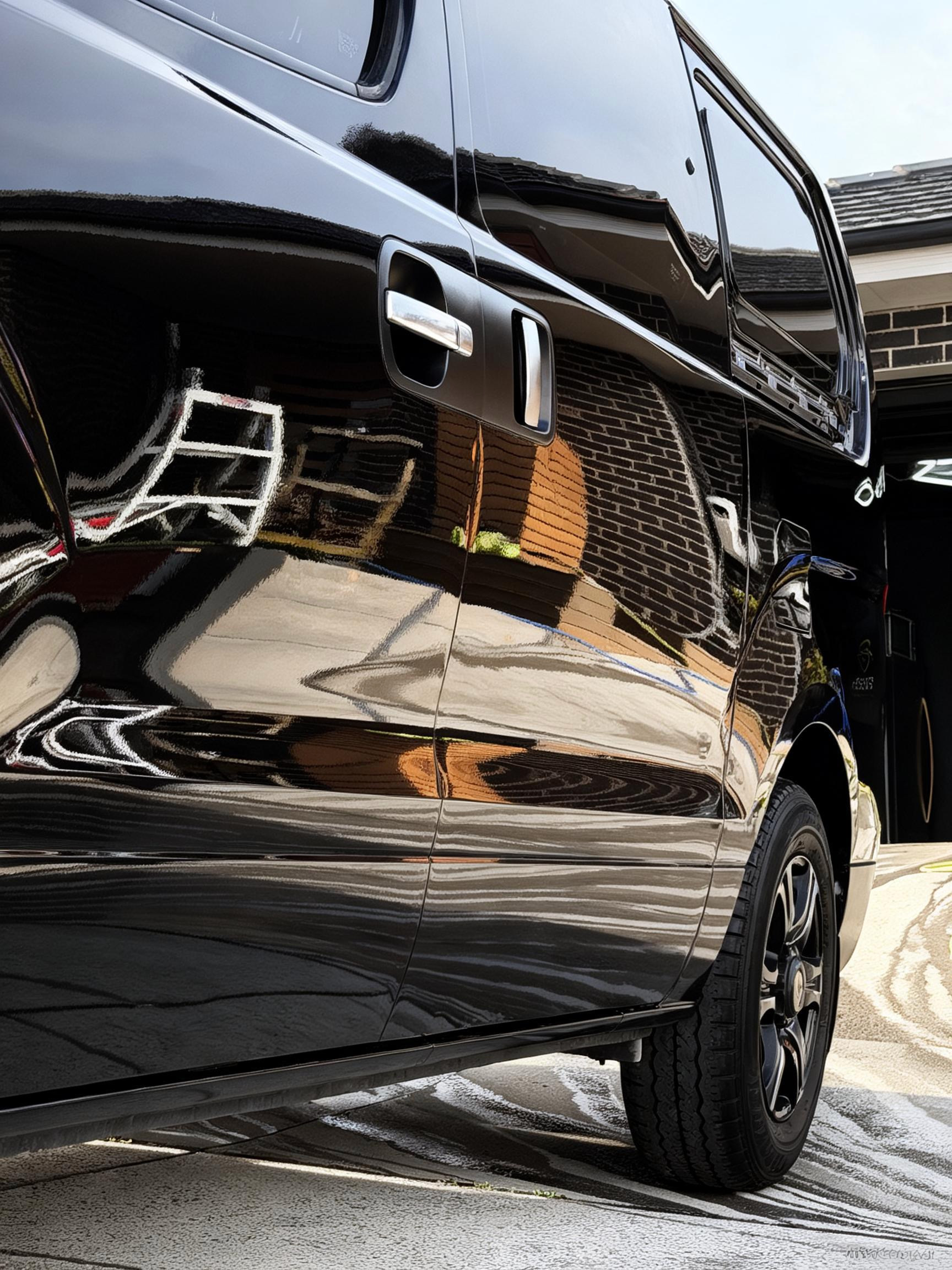


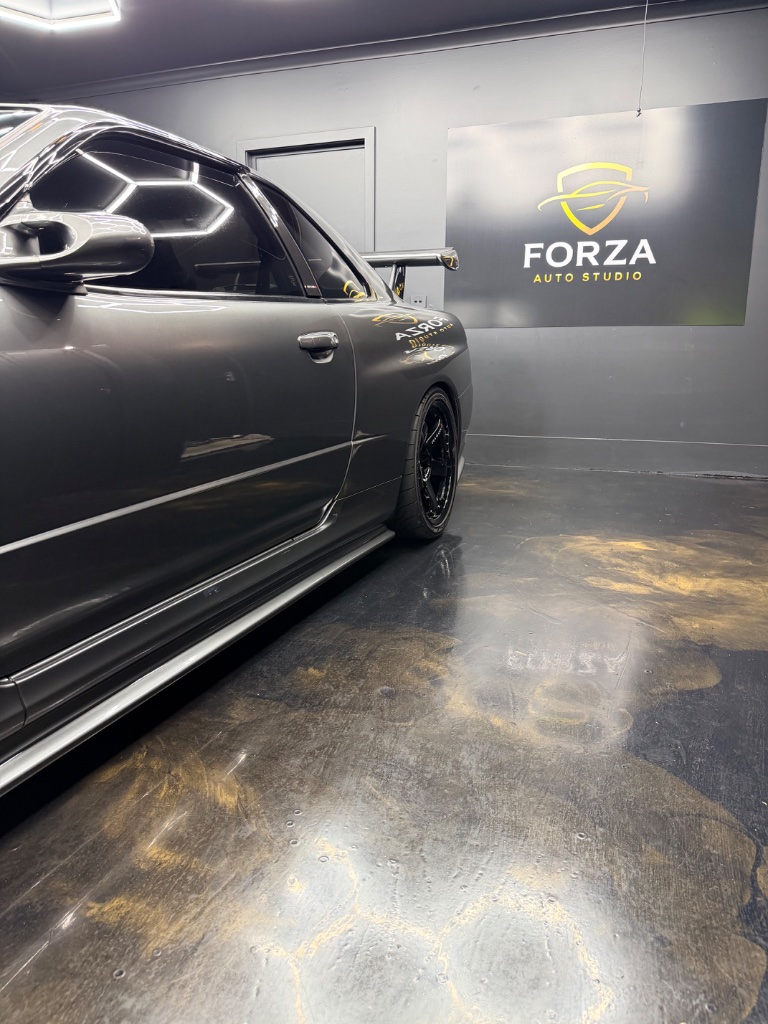
A ceramic coating can make a well-prepared vehicle noticeably easier to care for, but it does not remove the need for careful washing and periodic attention. Coating maintenance costs are best understood as part of long-term vehicle preservation: the effort and services required to keep the coated surfaces clean, performing as intended and presenting well over time.
For owners who have invested in paint correction and gloss enhancement, maintenance is not simply about keeping the car clean for the weekend. It helps protect the clarity, depth and finish that were achieved during the preparation process. The right approach depends on how the vehicle is used, where it is parked, how it is washed and the condition of the coating at each inspection.
What coating maintenance costs actually cover
Maintenance is often mistaken for a single service or a fixed annual requirement. In practice, it is a combination of sensible owner care and specialist support when the vehicle needs it. A coating should reduce the effort needed to remove ordinary road film and contamination, but it still collects grime, mineral deposits, traffic film and airborne fallout.
The ongoing commitment usually falls into three areas: regular safe washing, decontamination when bonded contamination begins to affect the surface, and periodic assessment of the coating and paintwork. Each contributes differently to the overall cost and, more importantly, to the condition of the finish.
A vehicle that is washed correctly at home or by a trusted maintenance provider may need less corrective attention between inspections. A daily driver parked outdoors, travelling regularly on Canberra and regional NSW roads, or exposed to bore water and heavy tree cover may require more frequent intervention. Neither is a problem in itself. It simply means the maintenance plan should suit the vehicle’s real environment rather than a generic schedule.
The largest factor is how the vehicle is washed
Most avoidable coating maintenance costs begin with washing methods, not with the coating itself. Ceramic coatings are designed to provide a durable protective layer and easier release of soiling. They are not a shield against abrasive contact. Dirty wash media, harsh brushes and rushed drying can still introduce swirl marks and fine scratches into the clear coat.
A proper wash begins with removing loose contamination before contact washing. This is followed by suitable wash media, clean buckets or an equivalent safe wash process, appropriate lubrication and careful drying. The aim is to minimise unnecessary friction across the paint, glass, exterior plastics and wheels.
This matters because paint defects do not stop being visible simply because a vehicle is coated. On dark colours especially, repeated poor washing can gradually soften the sharp gloss and clarity created during paint correction. Correcting those defects later may require polishing, which should always be considered carefully around any existing coating.
For owners who prefer professional maintenance, the value is not in having the vehicle washed more often for its own sake. It is in having the process carried out with suitable products, clean equipment and attention to the coating’s condition. For owners who enjoy maintaining their own cars, a disciplined home routine can be equally effective when the right process is followed.
Water spotting can change the schedule
Canberra’s warm, dry periods can make water spotting a genuine concern, particularly when a vehicle is washed or exposed to sprinklers in direct sun. Rainwater, tap water and irrigation water can leave mineral residues as they dry. If left in place, these marks may bond to the coating or, in more severe cases, affect the paint beneath.
Early water spotting can often be addressed during a maintenance service. More established spotting may require more time, specialist chemistry or controlled polishing. The practical lesson is simple: drying the vehicle properly and addressing fresh spotting promptly is less demanding than restoring a neglected surface later.
Why decontamination is part of coating maintenance
Even a coated vehicle accumulates contaminants that washing alone cannot fully remove. Industrial fallout, brake dust, road film, tree sap, bug remains and tar can attach to exterior surfaces. The coating may make these contaminants easier to deal with, but it does not prevent every form of bonding.
Decontamination is the controlled removal of this material using appropriate chemical and, where necessary, mechanical methods. It should not be treated as an aggressive routine performed without inspection. Overuse of abrasive claying, for example, can create unnecessary marring. The method should be matched to the contamination present and the condition of the coating.
A specialist maintenance visit can identify whether a surface is genuinely contaminated, whether water behaviour has changed because of residue, or whether the coating itself needs attention. This avoids the common mistake of applying a topper or sealant over a surface that first needs a thorough clean.
Coating maintenance costs vary by vehicle use
There is no honest one-size-fits-all answer because vehicle use changes the workload. A weekend performance car stored indoors will usually face very different conditions from a black daily driver parked outside at work, regularly travelling on country roads or carrying children and pets.
The following factors tend to influence the level of maintenance required:
- Outdoor parking, tree sap, bird droppings and sprinkler exposure.
- High-kilometre driving, highway travel, road grime and bug contamination.
- Brake dust accumulation on coated wheels.
- Coastal trips, wet-weather driving and muddy regional roads.
- Infrequent washing that allows residue to build up.
- Existing paint defects, water spotting or neglected exterior plastics.
These are not reasons to over-service a vehicle. They are the details that should shape an inspection-led recommendation. Some cars benefit from a regular preservation programme; others only need a seasonal check and a careful refresh before the change in weather.
Do ceramic coatings need topping up?
A maintenance product can restore water behaviour, improve gloss and support cleaning, but it should not be used as a substitute for inspection. When a coating appears less hydrophobic, the cause may be surface contamination rather than coating failure. Traffic film, mineral deposits and residues can mask the surface properties of an otherwise healthy coating.
This distinction affects both the process and the cost. Applying more protection to a contaminated surface can deliver a short-lived cosmetic improvement without resolving what is actually present. Proper maintenance first cleans and assesses the surface, then determines whether a compatible maintenance product is worthwhile.
The same principle applies to coated wheels, glass and exterior trim. These areas face different forms of contamination and wear. Wheels encounter heat and brake dust, glass accumulates road film, and plastics can be affected by UV exposure and product residue. They should be assessed according to their role, not treated as identical painted panels.
Protecting the value of the original preparation
Paint correction is a measured process of safely reducing swirl marks, scratches, oxidation and other visible paint defects to restore gloss, clarity and depth. It is not something to repeat casually. Good maintenance helps preserve that refined finish for longer, reducing the likelihood that further correction will be needed simply because the vehicle has been washed poorly or left contaminated.
This is where specialist maintenance has a broader role than presentation alone. It offers an opportunity to inspect vulnerable areas, identify new defects, remove contamination safely and keep the owner informed about what the vehicle genuinely needs next. For a new car, classic vehicle or carefully maintained daily driver, that continuity can be more useful than following a fixed package.
At Forza Auto Studio, this preservation-focused approach begins with the vehicle in front of us: its paint condition, coating history, use pattern and owner expectations. The right maintenance plan may be simple, or it may call for closer attention after a demanding season. The decision should follow the inspection, not the other way around.
A coating earns its keep when it is supported by sensible care. Keep the wash process safe, remove contamination before it becomes entrenched, and have any change in gloss, water spotting or surface behaviour assessed before reaching for another product. That approach preserves both the coating and the paintwork beneath it.