
A vehicle can look glossy immediately after protection is applied, but the real difference becomes clearer months later - during washing, after a Canberra summer storm, or when water spotting and road film begin to test the finish. The coating versus sealant decision is not simply about choosing the product with the boldest claim. It is about matching the protection system, preparation standard and maintenance routine to the vehicle in front of you.
Both ceramic coatings and paint sealants can improve water behaviour, make cleaning easier and help preserve a well-kept finish. They do different jobs, however, and neither can conceal existing swirl marks, scratches, oxidation or embedded contamination. For long-term vehicle preservation, the condition of the paint before protection matters as much as the protection itself.
Coating versus sealant: the practical difference
A paint sealant is a synthetic protective product applied to exterior paintwork. It forms a sacrificial layer over the clear coat, improving gloss and helping reduce the direct impact of environmental grime, road film and routine washing. Modern sealants can produce a crisp, reflective appearance and worthwhile water repellency, particularly on a vehicle that is regularly cleaned and stored under cover.
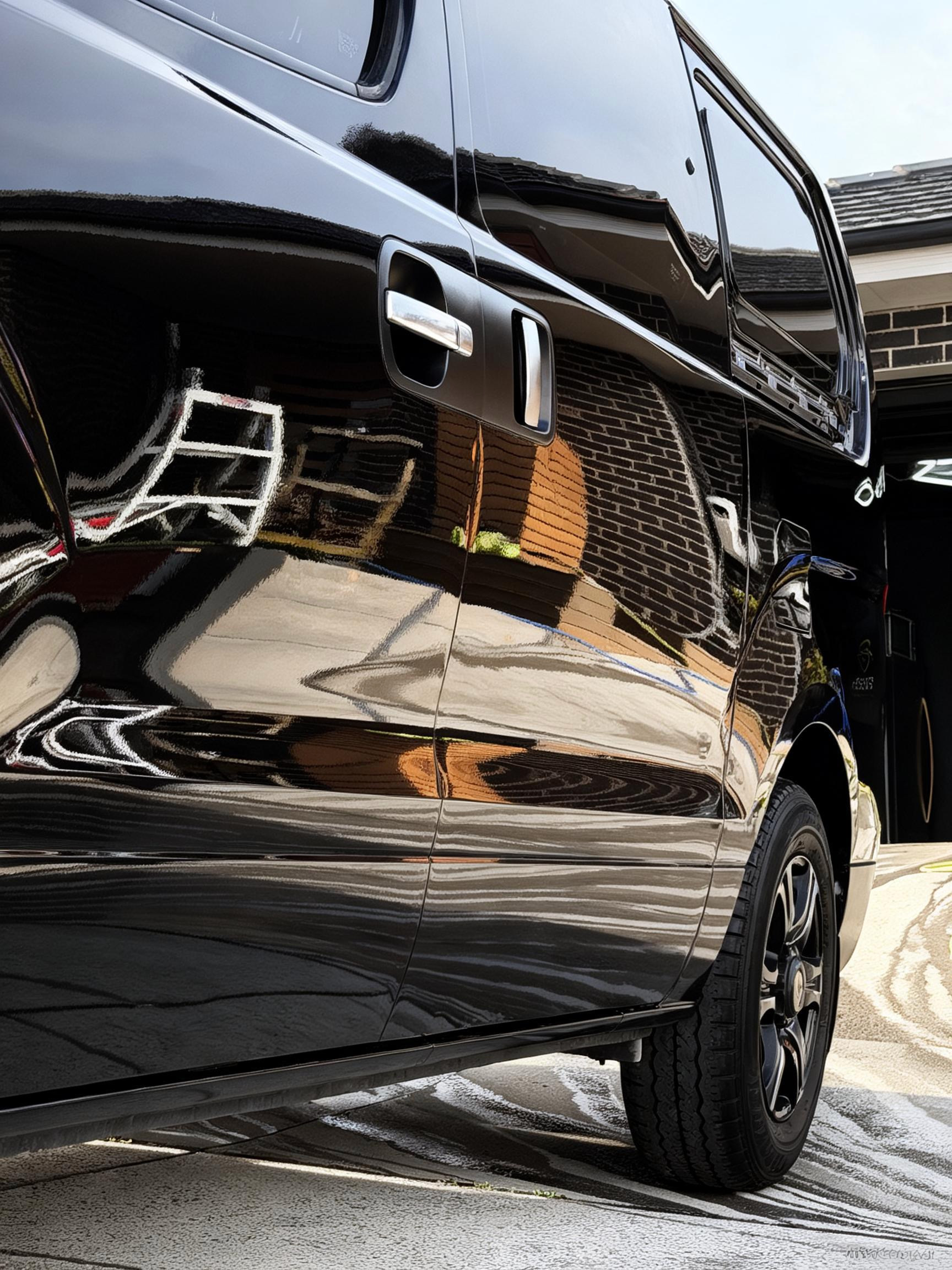
A ceramic coating is a more durable protective system that chemically bonds with the prepared surface. Once cured, it creates a resilient, low-surface-energy layer that can offer stronger resistance to contamination and make regular washing more efficient. Water and grime generally release more readily from a properly maintained coated vehicle, while the finish often retains its visual clarity for longer.
That does not mean a ceramic coating is an invincible shell. It can still accumulate mineral deposits, suffer wash-induced marring, and be damaged by harsh chemicals or neglected contamination. It is a preservation tool, not a replacement for careful ownership.
The central difference is durability and behaviour. A sealant is usually a simpler, more temporary layer that needs regular renewal. A ceramic coating is intended as a longer-term system, with more demanding preparation and a greater reliance on correct maintenance. The right choice depends on how the vehicle is used, stored and cared for.
Paint protection starts with preparation
Protection applied over compromised paint preserves the compromised paint. It may add gloss, but it will not remove wash marring, random scratches, water spots or haziness already present in the clear coat. In some lighting, a coating can make those defects appear more pronounced because it increases reflectivity and visual sharpness.
This is why a proper inspection comes first. Paint condition, paint thickness where relevant, previous repairs, contamination levels and the owner's expectations all influence the recommendation. A newer vehicle may still require decontamination and paint enhancement because dealership preparation, transport films or early washing have introduced fine defects. An older enthusiast car may need multi-stage paint correction to safely restore greater clarity, depth and gloss.
Decontamination creates a clean foundation
Before either a sealant or coating is applied, the paint should be washed and chemically decontaminated to address bonded fallout, tar, iron particles and other contamination that ordinary washing leaves behind. Mechanical decontamination may also be appropriate when performed carefully.
The aim is not merely a smooth-feeling surface. Contamination interferes with the appearance of paint and can limit how consistently a protective product bonds. Proper preparation also allows an accurate assessment of the paint defects that remain.
Paint correction improves what protection preserves
Paint correction is the controlled refinement of clear coat to reduce visible defects such as swirl marks, wash marring, light scratches, oxidation and water-spot etching. The level of correction should be tailored to the paint and the vehicle's intended use. Not every car needs an aggressive correction process, and not every scratch can or should be removed.
For a daily driver, a paint enhancement may provide a meaningful improvement in gloss and clarity while retaining a conservative approach to the clear coat. For a cherished weekend vehicle, further refinement may be justified. The best result is not an arbitrary percentage of defect removal. It is a finish that looks substantially better while respecting the available paint for the years ahead.
When a paint sealant makes sense
A quality sealant remains a sensible option for many owners. It suits vehicles that are already in good condition, receive regular maintenance, or need a refreshed layer of protection after a deep clean or light paint enhancement. It can also be appropriate where the owner prefers periodic protection appointments rather than committing to a long-term coating system.
Sealants are often valued for their appearance. Some provide a sharp, glossy finish that complements lighter colours and metallic paints particularly well. On darker paint, they can still add depth, although they will not remove the defects that interrupt reflections.
The trade-off is that a sealant has a shorter service life. Exposure to regular washing, rain, UV, heat, traffic film and cleaning chemicals gradually reduces its performance. Its water behaviour may fade before the owner notices a major visual change, so planned reapplication is part of getting the best from it.
A sealant is not a lesser choice by default. For the owner who enjoys regular detailing, keeps the car garaged and wants flexible ongoing protection, it can be a practical and well-matched solution.
When a ceramic coating is the better fit
Ceramic coating is often the stronger choice for owners focused on long-term vehicle preservation and easier maintenance. Once the paint has been properly prepared, a professional-grade coating can help limit contamination bonding, support easier washing and retain a clean, sharp appearance between maintenance visits.
This is particularly useful for daily-driven vehicles exposed to Canberra's changing seasons, open-road kilometres and outdoor parking. It can also suit a new vehicle whose owner wants protection established early, provided the paint has first been inspected and refined as required.
The benefits are practical rather than theatrical. A coating can reduce the effort required to remove normal road grime, improve water beading or sheeting depending on the system, and help keep paint, wheels, glass and exterior plastics easier to maintain. It does not prevent every stone chip, eliminate the chance of scratching, or make improper washing harmless.
Ceramic coatings ask more of the installation process. The surface must be thoroughly cleaned, corrected where necessary, panel-wiped and applied in controlled conditions. Cure times and application technique matter. A rushed coating application over poorly prepared paint is unlikely to deliver the visual standard or long-term behaviour the owner expects.
Maintenance determines the outcome
Whether you choose a coating or sealant, protection performs best when maintenance is considered from the beginning. Abrasive wash tools, strong alkaline cleaners used without purpose, automatic brush washes and allowing mineral-rich water to dry repeatedly on the paint can all compromise the finish.
A considered wash routine uses suitable products, clean wash media and safe drying practices. Regular washing prevents contamination from building up, while prompt attention to bird droppings, tree sap and fresh water spotting reduces the chance of staining or etching. Coated vehicles benefit from periodic decontamination and inspection too. Hydrophobic behaviour is helpful, but it is not the only measure of a coating's condition.
For owners who want consistent support, ongoing specialist maintenance can identify early changes in the finish, clean difficult areas safely and preserve the work already completed. This is especially valuable for dark paint, high-use vehicles and cars with complex wheels, exterior trim or delicate finishes.
Choosing protection for your vehicle
The right recommendation should come from the vehicle's actual condition and your ownership plans. Consider whether it is a daily driver or weekend car, garaged or parked outside, washed at home or professionally maintained, and likely to stay with you for several years. Also consider what you want to improve first: current paint clarity, future ease of maintenance, or both.
A well-maintained vehicle with modest use may be well served by paint enhancement and a quality sealant. A new European SUV driven every day, or a performance car with corrected dark paint, may benefit more from a ceramic coating system and a deliberate maintenance plan. Wheels, glass and exterior plastics can also be assessed separately, as they experience different forms of exposure and often benefit from purpose-specific protection.
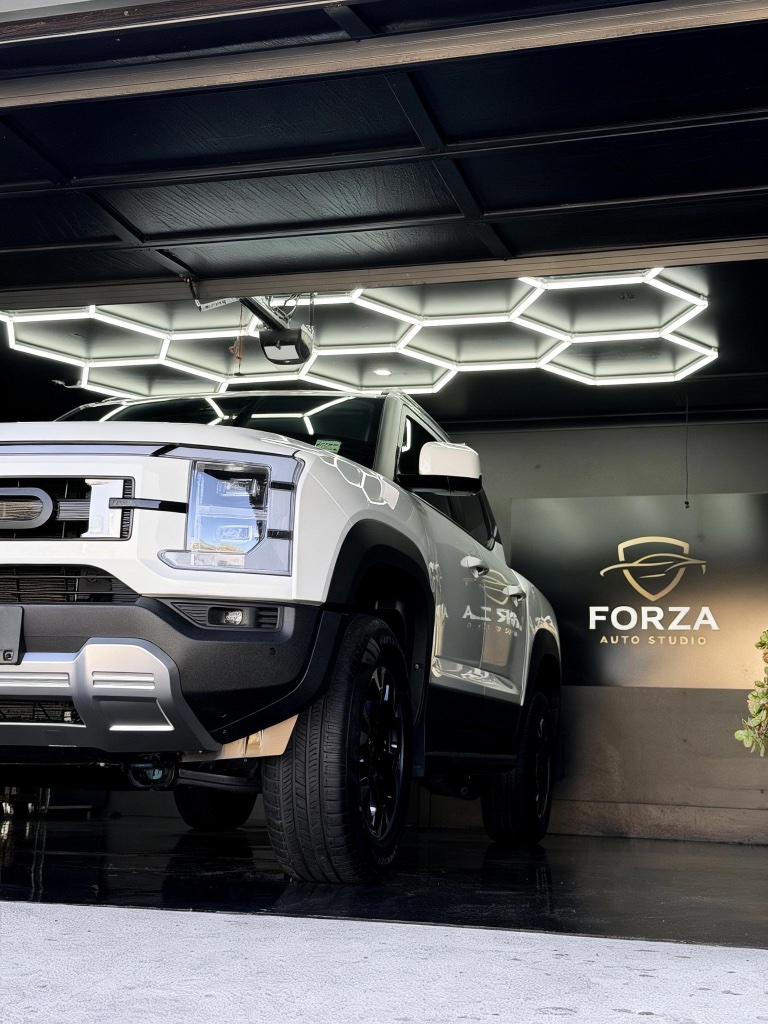
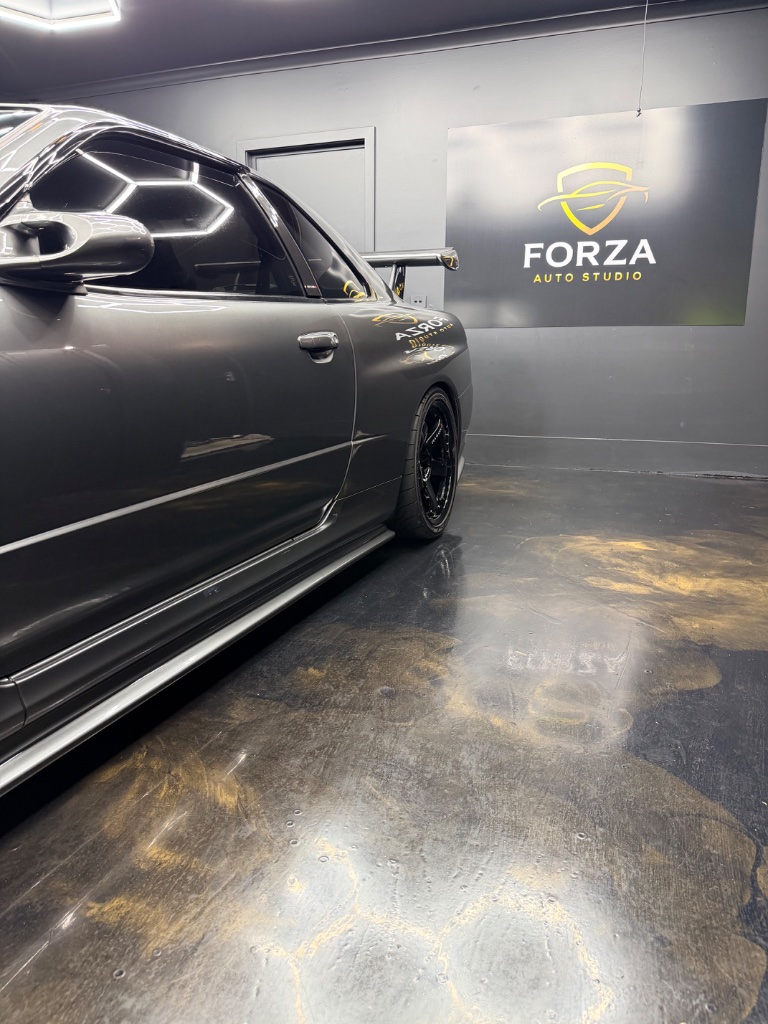
At Forza Auto Studio, the decision is made after an inspection rather than through a fixed package. The most suitable option is the one that respects the paint, supports the way you use the vehicle and remains realistic to maintain.
The better question is not which product is universally best. It is which level of preparation and protection will keep your particular vehicle looking cared for long after the first wash.