


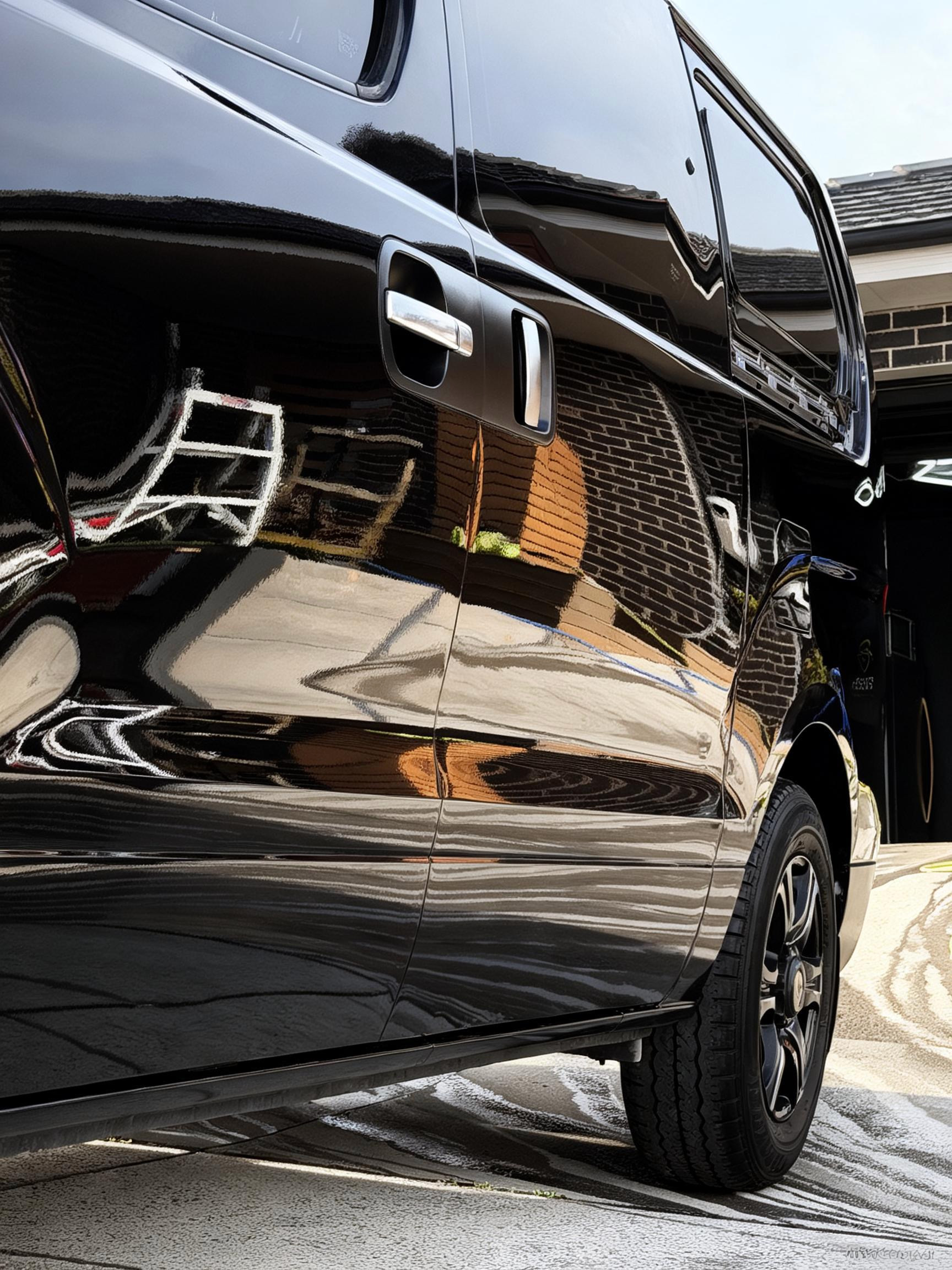


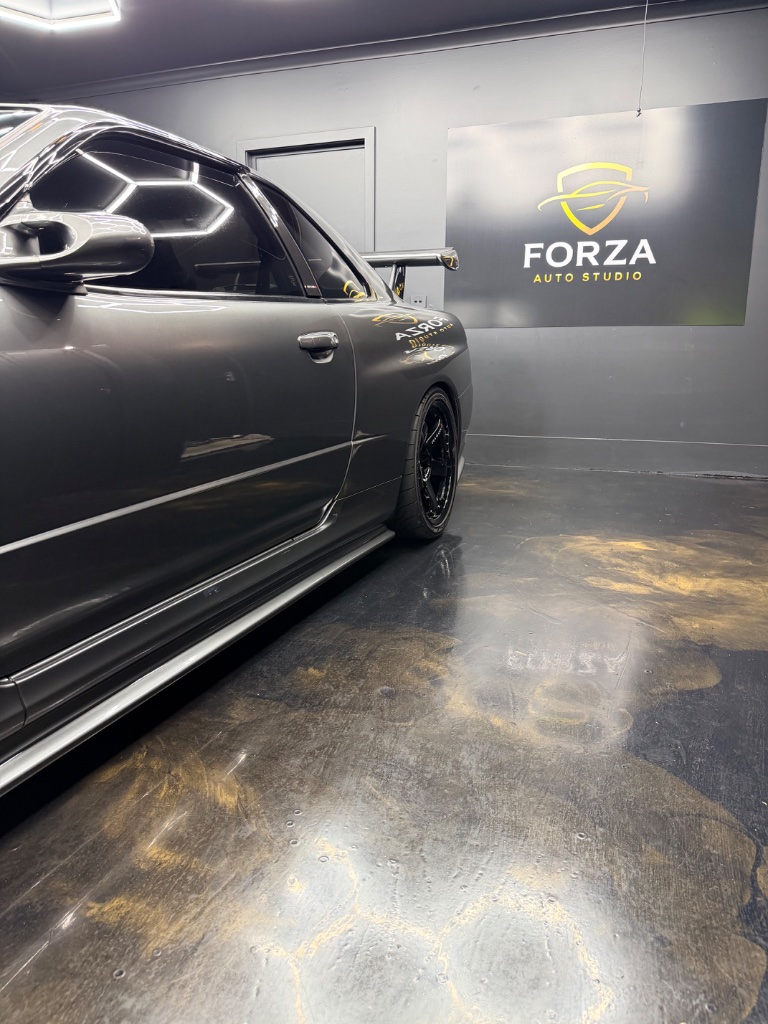
A freshly corrected bonnet can look remarkably clear under inspection lighting, only for new wash-induced marks to appear months later. It is why one question comes up so often: does coating prevent scratches? The honest answer is no, not completely. A quality ceramic coating can reduce the likelihood of very light marring and make safe maintenance easier, but it cannot make automotive paint scratch-proof.
That distinction matters. Ceramic coating is a valuable part of long-term vehicle preservation, provided it is applied to properly prepared paintwork and maintained with realistic expectations. It protects the finish in several useful ways. It is not armour against every physical contact the vehicle encounters.
Does coating prevent scratches on vehicle paint?
Ceramic coating does not stop all scratches because it is a very thin protective layer. It bonds to the clear coat and creates a more chemically resistant, water-repellent surface, but it does not add enough physical thickness to absorb meaningful impacts or abrasion.
A branch brushing down the side of a vehicle, a bag dragged across the boot, grit trapped in a wash mitt, or a careless wipe with a dry towel can still mark the paint beneath. The coating may be marked first, and in some cases it may lessen the severity of a very light defect. However, if enough pressure or contamination is involved, the clear coat can still be scratched.
Think of ceramic coating as a sacrificial, high-performance surface that supports easier and safer care. It helps preserve the paintwork, but it does not remove the need for careful washing, sensible parking choices and prompt cleaning of contaminants.
What a ceramic coating genuinely helps protect against
The strongest benefit of a professionally applied ceramic coating is not scratch immunity. It is the way the coating changes how the surface responds to everyday contamination and maintenance.
A coated vehicle is generally easier to wash because dirt, road film and insect residue do not adhere as strongly as they do to unprotected paint. Less rubbing is often required during washing and drying. When correct wash methods are used, that reduction in friction can help limit the fine swirl marks that gradually dull paint clarity and gloss.
Ceramic coatings also provide useful resistance to environmental contamination. Bird droppings, bug splatter, tree sap, traffic film and mineral-rich water can all affect an unprotected finish if left for extended periods. A coating gives the owner more time to remove contaminants safely and can reduce direct exposure of the clear coat.
In Canberra and surrounding NSW, temperature swings, strong sun and water spotting can place extra pressure on exterior surfaces. A coating assists with cleaning and can improve resistance to staining, but it should not be treated as permission to leave water spots or bird droppings on the vehicle. Early removal remains the right approach.
Scratch resistance is not the same as scratch proof
Many coatings are described as having scratch resistance. This should be understood carefully. In practical detailing terms, scratch resistance means the coating may better withstand very light wash marring than bare paint under the same conditions. It does not mean keys, shopping trolleys, branches, gravel impact or harsh contact will leave no trace.
Paint itself varies considerably between manufacturers and models. Some clear coats are relatively hard; others mark more readily. Vehicle shape also changes the risk. Flat horizontal panels collect more contamination, while lower doors and rear quarters receive more road grime. A black vehicle may show faint swirl marks more readily than a lighter-coloured vehicle, even where the actual level of defect is similar.
The coating system, preparation quality and maintenance routine all influence the result. There is no credible single answer based solely on a bottle label or hardness rating.
Why paint correction should come before coating
Ceramic coating preserves the condition of the surface beneath it. It does not conceal established swirl marks, oxidation, wash scratches or water spotting. In fact, once a coating is applied, the gloss and clarity can make existing paint defects easier to notice in certain light.
This is why an inspection-led approach begins with assessing the paintwork. Some vehicles need a paint enhancement to improve gloss and reduce lighter defects. Others, particularly older vehicles or those with heavier wash damage, may benefit from multi-stage paint correction. The aim is to safely improve clarity, depth and reflection while retaining as much clear coat as practical.
Once the paint has been decontaminated, corrected where appropriate and carefully prepared, ceramic coating can lock in that refined appearance and make it more manageable to preserve. Coating an untreated surface may still provide benefits, but it will not deliver the same visual outcome as protecting properly refined paint.
The biggest cause of new scratches is often washing
For most well-kept vehicles, routine washing causes more fine scratches than driving does. This is not because washing is harmful. It is because contamination becomes abrasive when it is moved across paint under pressure.
Dry wiping dust from a panel, using a dirty sponge, washing in direct sun before panels are cooled, or drying with an overloaded towel can all create fine marks. These defects build gradually. At first, the paint may simply look less crisp in bright sun. Over time, the swirl marks reduce gloss and make darker colours appear hazy.
A coated vehicle benefits from a measured washing process. Pre-rinse thoroughly to remove loose grit. Use a pH-neutral shampoo and clean wash media. Work from upper panels to lower panels, where heavier grime collects. Rinse wash mitts regularly, then dry with clean, high-quality microfibre towels and minimal pressure.
If the vehicle is lightly dusty between washes, resist the temptation to dry wipe it. A gentle rinse or a suitable lubricated cleaning process is safer than dragging dry particles over the paintwork.
Can scratches be removed from a ceramic-coated vehicle?
Sometimes, but the correct response depends on what has been marked. A light scuff may be limited to surface contamination or the coating itself. A deeper scratch may extend through the coating and into the clear coat. If the damage catches a fingernail, it is more likely to require careful assessment rather than a simple wipe or polish.
Polishing a coated panel usually removes or significantly reduces the coating in that area, because paint correction abrades the surface to level defects. The panel will then need preparation and re-coating to restore consistent protection. This is not a flaw in ceramic coating; it is simply how correction and protective layers work together.
Avoid experimenting with aggressive compounds or scratch-removal products at home. It is easy to create uneven gloss, introduce more marring or remove more clear coat than intended. An inspection under proper lighting can establish whether a defect is in the coating, the clear coat or deeper in the paint system.
Protecting a coated finish for the long term
Ceramic coating delivers its best value when it is treated as part of a preservation plan rather than a once-only service. Regular safe washing, contamination removal and periodic inspections help maintain gloss enhancement and identify issues before they become harder to correct.
Pay particular attention to bird droppings, insect residue, tree sap and mineral deposits. These should be removed as soon as practical using a gentle method. Wheels, glass and exterior plastics may also benefit from coating, although each surface has different requirements and should be prepared accordingly.
Forza Auto Studio approaches coating recommendations around the vehicle's actual condition, how it is used and how it will be maintained. A weekend performance car kept under cover has different preservation needs from a daily-driven SUV parked outdoors. The right solution is the one that supports the owner's habits and protects the finish without overstating what any coating can do.
A ceramic coating will not make a vehicle immune to scratches. What it can do is preserve corrected paint more effectively, reduce the effort required for safe maintenance and help the vehicle retain the clean, clear presentation that made you want to protect it in the first place. Treat it with the same care you would give any refined finish, and it will remain a meaningful part of long-term vehicle preservation.