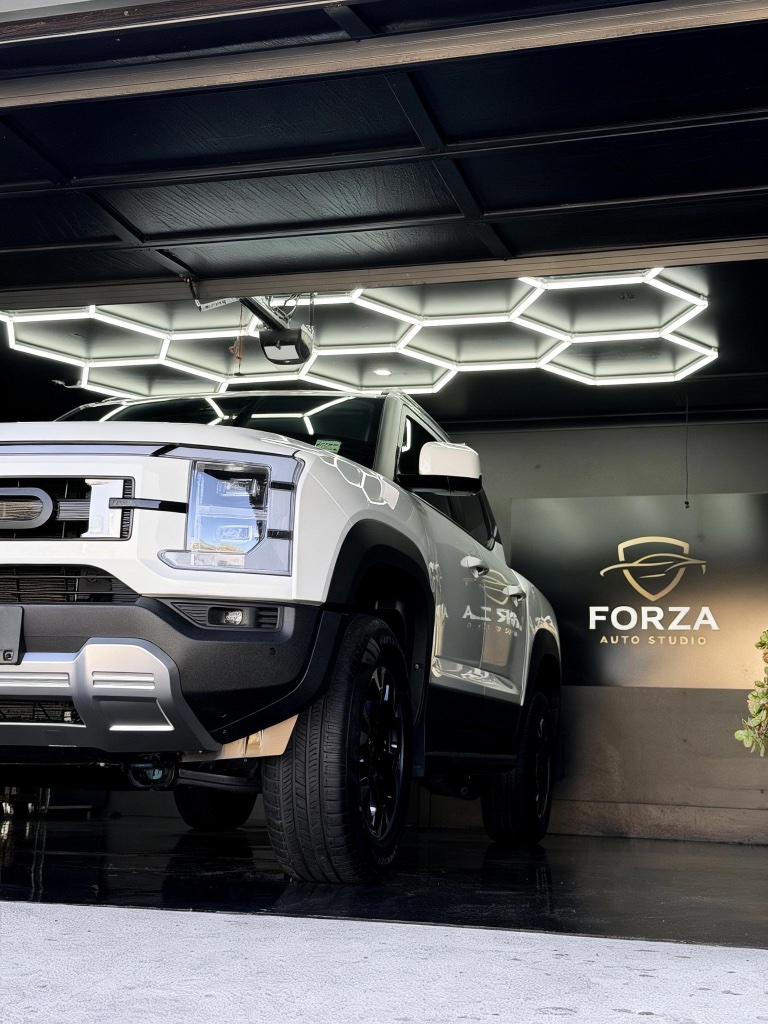

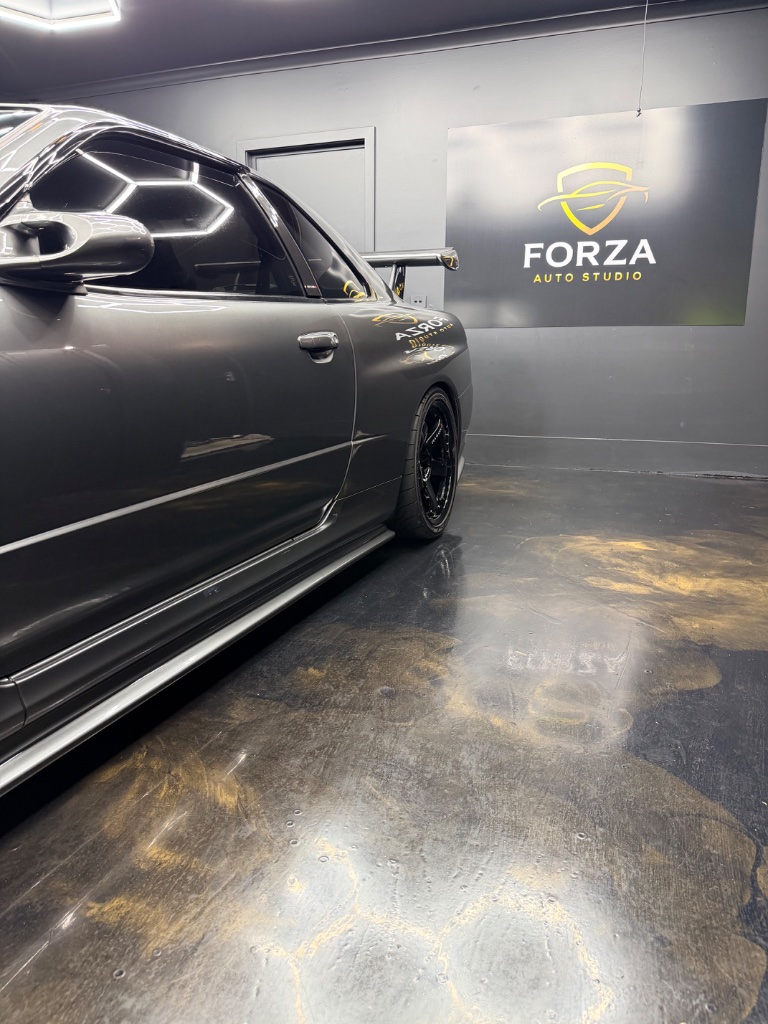
You can wash a vehicle correctly and still introduce paint defects during the drying stage.
The drying towel is one of the last things to physically touch the paint, which means its condition, construction and the way it is used can directly affect how well that finish is preserved.
For vehicles with corrected paintwork or a ceramic coating, drying should not be treated as an afterthought. It is another controlled contact process, and poor technique repeated over months or years can gradually introduce fine swirl marks, marring and a noticeable loss of clarity.
Why drying towels matter after every wash
Most wash-induced paint defects are created when contamination is moved across the surface under pressure.
A proper pre-wash, contact wash and rinse should remove the overwhelming majority of dirt before a drying towel ever touches the vehicle. If significant contamination remains on the paint at the drying stage, the problem has already started earlier in the wash process.
Even on a properly washed vehicle, however, towel selection and technique still matter.
A quality microfibre drying towel provides a soft, absorbent interface between your hands and the paint. The goal is to remove water efficiently without excessive pressure, repeated wiping or unnecessary contact with the surface.
This becomes particularly important after paint correction.
Paint correction restores clarity, gloss and depth by removing or refining existing defects. Once that finish has been achieved, the maintenance process needs to protect it rather than slowly reintroduce the same defects that were corrected.
New vehicles are not exempt either. Paint can already contain light marring from transport, dealership preparation and previous washing before the owner takes delivery.
Safe drying is therefore relevant whether the vehicle is brand new, regularly maintained, ceramic coated or freshly corrected.
Towel cleanliness matters more than the label
There is a lot of emphasis in detailing on towel type, pile length and GSM.
Those things matter, but they are secondary to one far more important factor:
The towel must be clean.
An expensive drying towel containing trapped grit is more dangerous to paintwork than a cheaper but properly maintained microfibre towel.
The priority should always be:
Clean paint. Clean towel. Minimal pressure. Good absorption. Appropriate towel construction.
A drying towel should never be used after it has touched wheels, tyres, dirty lower sections, engine bays or other heavily contaminated areas.
If a towel is dropped on the ground, remove it from paint duty immediately. Do not shake it out and continue drying the vehicle.
Small particles can become trapped within the fibres and may be difficult to see even under good lighting.
Twist-loop microfibre drying towels
Twist-loop microfibre towels are one of the most effective options for drying modern automotive paint.
Their twisted fibre construction allows them to absorb a substantial amount of water while requiring relatively little pressure against the surface.
This makes them particularly effective on larger panels such as:
- roofs
- bonnets
- doors
- quarter panels
- tailgates
A large, high-quality twist-loop towel can dry a significant portion of a vehicle before becoming saturated, reducing the number of passes required.
That matters because every additional pass across the paint creates another opportunity for contact-related defects.
Twist-loop towels are also well suited to ceramic-coated vehicles. A properly maintained coating normally causes water to bead and sheet more readily, meaning there is less standing water for the towel to remove.
The coating makes drying easier. It does not make careless drying safe.
Look for towels with soft or edgeless construction. Hard borders, damaged stitching or hardened edges introduce unnecessary risk, particularly on softer paint systems and gloss-black surfaces where even fine defects can become highly visible under direct sunlight.
Plush microfibre towels for sensitive areas
Plush microfibre towels can also play an important role in a safe drying setup.
Rather than using them as the primary towel for an entire wet vehicle, they are particularly useful for smaller or more delicate areas such as:
- gloss-black pillars
- painted trim
- mirror housings
- intricate bodywork
- final water trails
- isolated drips
Their deeper pile provides a soft contact surface, although they generally become saturated faster than a dedicated high-capacity drying towel.
Once any towel becomes heavily saturated, its ability to remove water efficiently drops. That usually leads to additional wiping and unnecessary contact.
Rotate to a fresh towel rather than forcing an overloaded towel to finish the vehicle.
Keep paint towels separate from lower areas and wheels
One of the simplest ways to protect a vehicle’s paint is to separate towels according to their purpose.
A towel used on painted upper surfaces should never later become the wheel towel and then return to the paint.
Wheels, tyres, exhaust surrounds and lower sections of a vehicle are exposed to brake dust, road grime, grit and heavier contamination.
Even after laundering, particles can remain embedded within microfibre.
Use dedicated towels for:
- paintwork
- wheels
- door jambs
- engine bays
- interiors
- glass where appropriate
Door jambs, fuel fillers and boot openings should also ideally have their own smaller towels. These areas can hold grease, dirt and residual contamination that does not belong in a premium paint drying towel.
It is a simple system, but over years of washing it can make a meaningful difference.
How to dry a car without introducing swirl marks
A good drying towel can still damage paint if it is used aggressively.
The objective is simple:
Remove the water using the least practical pressure and the fewest necessary passes.
Begin with a thorough final rinse.
Where practical, removing the hose nozzle and allowing water to flow gently across the panels can encourage water to sheet from the surface. This can significantly reduce the amount of water remaining on a well-protected vehicle.
Then begin drying from the cleaner, higher areas of the vehicle and work downward.
A typical order may be:
- Roof
- Glass
- Bonnet
- Upper doors
- Guards and quarter panels
- Boot or tailgate
- Lower doors
- Bumpers and lower sections
On larger flat panels, a quality drying towel can be placed onto the surface and gently drawn across the paint using almost no downward pressure.
The idea that a towel must never move across paint is overly simplistic.
Movement itself is not automatically the problem.
The major risks are contamination, excessive pressure and repeatedly wiping the same section unnecessarily.
On extremely soft or freshly corrected paint, placing the towel onto the surface and lifting it away can reduce contact further where practical.
Neither method compensates for a poorly washed vehicle or contaminated towel.
Drying aids can reduce unnecessary friction
A suitable drying aid can make the drying process even more controlled.
Drying aids and compatible maintenance products can add lubrication between the microfibre towel and the paint while also assisting with water removal.
Depending on the product, they may also:
- improve slickness
- reduce towel drag
- assist drying
- add temporary hydrophobic behaviour
- support an existing ceramic coating maintenance routine
The key is compatibility.
Ceramic-coated vehicles should be maintained with products suitable for the coating system rather than continually layering random waxes, sealants or silicone-heavy products over the surface.
More product is not automatically better maintenance.
Sometimes the best approach is simply a clean vehicle, a suitable drying towel and controlled technique.
Using air to reduce contact
Compressed air or a dedicated vehicle dryer can be extremely useful during the drying process.
Certain areas retain water regardless of how thoroughly the main surfaces are towel dried.
Common examples include:
- mirrors
- badges
- grilles
- door handles
- fuel fillers
- wheel nuts
- panel gaps
- window seals
- number plates
Blowing water from these areas helps prevent the frustrating drip lines that appear several minutes after the vehicle has supposedly been dried.
It can also reduce towel contact around complicated or sensitive areas.
Air should not, however, be treated as a substitute for properly washing the vehicle. Blowing dirty water and contamination across the paint creates its own problems.
The vehicle still needs to be properly cleaned first.
Drying a ceramic-coated vehicle
One of the practical benefits of ceramic coating is easier routine maintenance.
A healthy coating helps water and contamination release more readily from the surface. During the final rinse, a significant amount of water may already leave the vehicle before a drying towel is required.
That reduces the workload placed on the towel and can reduce the amount of physical contact required during each wash.
But ceramic coating does not make paint scratch-proof.
A coated vehicle can still develop swirl marks and marring from poor washing, contaminated towels, automatic car washes or aggressive drying techniques.
When drying a ceramic-coated vehicle, allow the coating to do some of the work.
Remove as much water as possible through the rinse, use a clean and highly absorbent towel with very little pressure, clear trapped water from crevices and then inspect the vehicle for remaining drips.
There should be no need to repeatedly scrub a panel trying to remove the final traces of moisture.
Avoid letting water dry naturally on the paint
Allowing water to evaporate naturally from paintwork can leave mineral deposits and visible water spotting behind.
This becomes particularly noticeable when washing a vehicle in direct sunlight or when the panels are already warm.
Where possible, wash the vehicle in shade and keep the process moving so rinse water does not sit on the surface for extended periods.
After the final rinse, dry the vehicle thoroughly rather than allowing water to evaporate.
If water spots have already bonded to the surface, avoid aggressively rubbing them with a towel.
Depending on their severity, they may require chemical decontamination, polishing or professional assessment.
Once mineral deposits have begun affecting the clear coat, simply wiping harder will not solve the underlying problem.
How to wash and maintain drying towels
A premium drying towel is only useful while it remains clean, soft and absorbent.
Drying towels should be washed after use and stored only once completely dry.
Do not leave damp microfibre sitting inside buckets, bags or wash mitt containers for extended periods.
Paint towels should also be washed separately from towels used on:
- wheels
- tyres
- engine bays
- door jambs
- heavily contaminated interiors
Use a suitable microfibre detergent and avoid fabric softener.
Fabric softener leaves residue on the fibres and can dramatically reduce the towel’s ability to absorb water.
Excessive heat should also be avoided when washing or drying microfibre because it can damage the synthetic fibres.
Once cleaned, inspect the towel.
If it feels rough, contains embedded debris, has hardened edges or has noticeably lost its absorption, remove it from paintwork duty.
That does not necessarily mean throwing it away.
Older towels can be downgraded for lower-risk jobs such as door jambs, interior plastics or engine bay work.
Just do not return them to sensitive paint.
Paint correction creates the finish. Maintenance determines how long you keep it.
At Forza Auto Studio, we spend significant time correcting defects that often did not come from one dramatic incident.
Many are the cumulative result of ordinary maintenance.
Washing.
Drying.
Wiping.
And repeating those processes over several years.
Fine defects gradually accumulate until the paint loses clarity and direct sunlight begins exposing the swirl marks that were previously difficult to notice.
That is why vehicle preservation does not finish when paint correction is completed or a ceramic coating is applied.
Those services create the starting point.
The maintenance routine that follows determines how well that finish survives.
A quality drying towel is not going to transform neglected paint, and it cannot compensate for poor washing technique. What it can do is remove one unnecessary source of friction from the maintenance process.
Use clean towels.
Keep contaminated towels separated.
Avoid unnecessary pressure.
Reduce repeated wiping.
And replace towels when they are no longer suitable for sensitive paintwork.
They are small habits, but repeated across dozens of washes, they can be the difference between paintwork that continues to look crisp and reflective and a finish that slowly returns to the condition you paid to correct in the first place.