
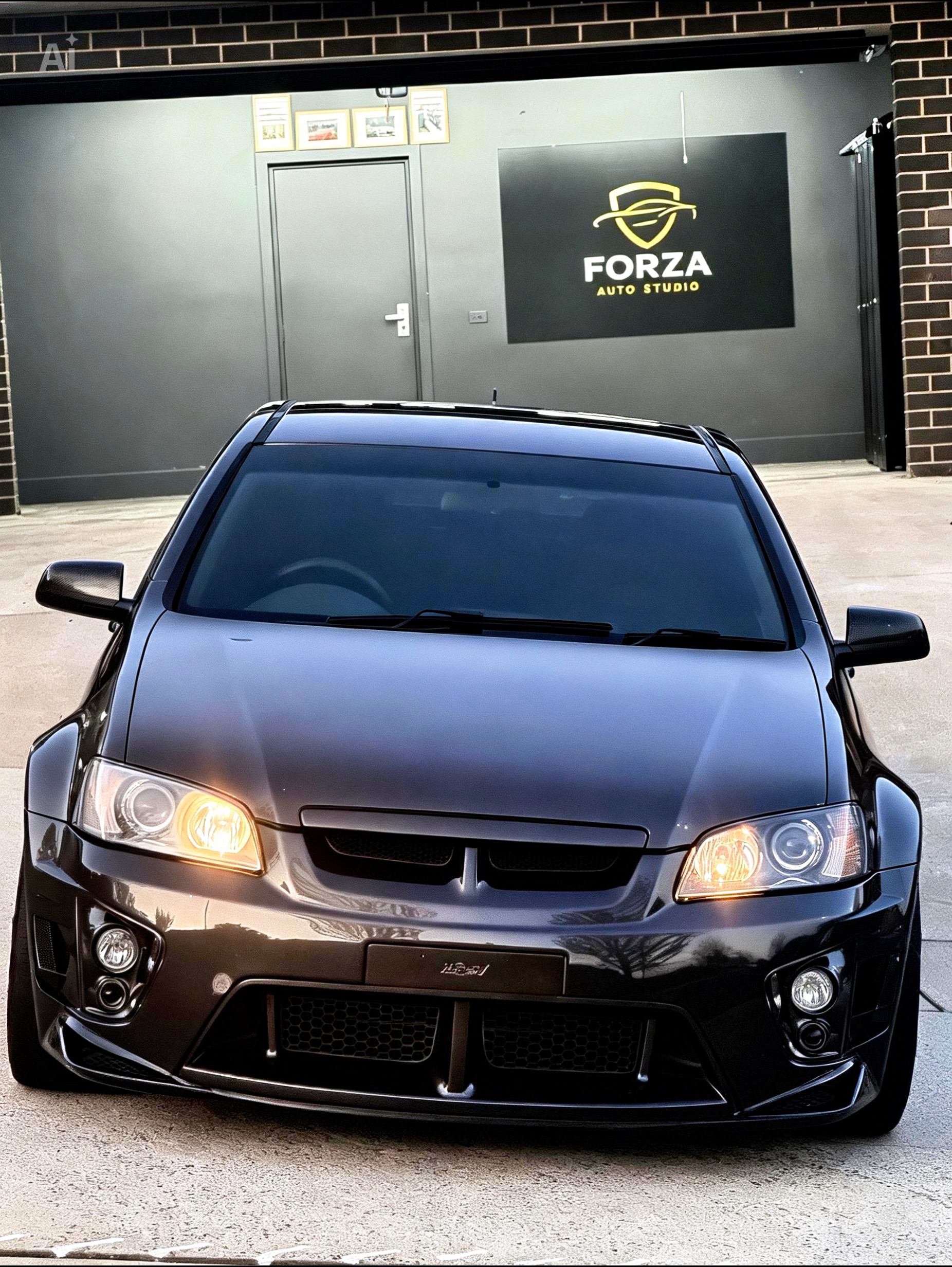
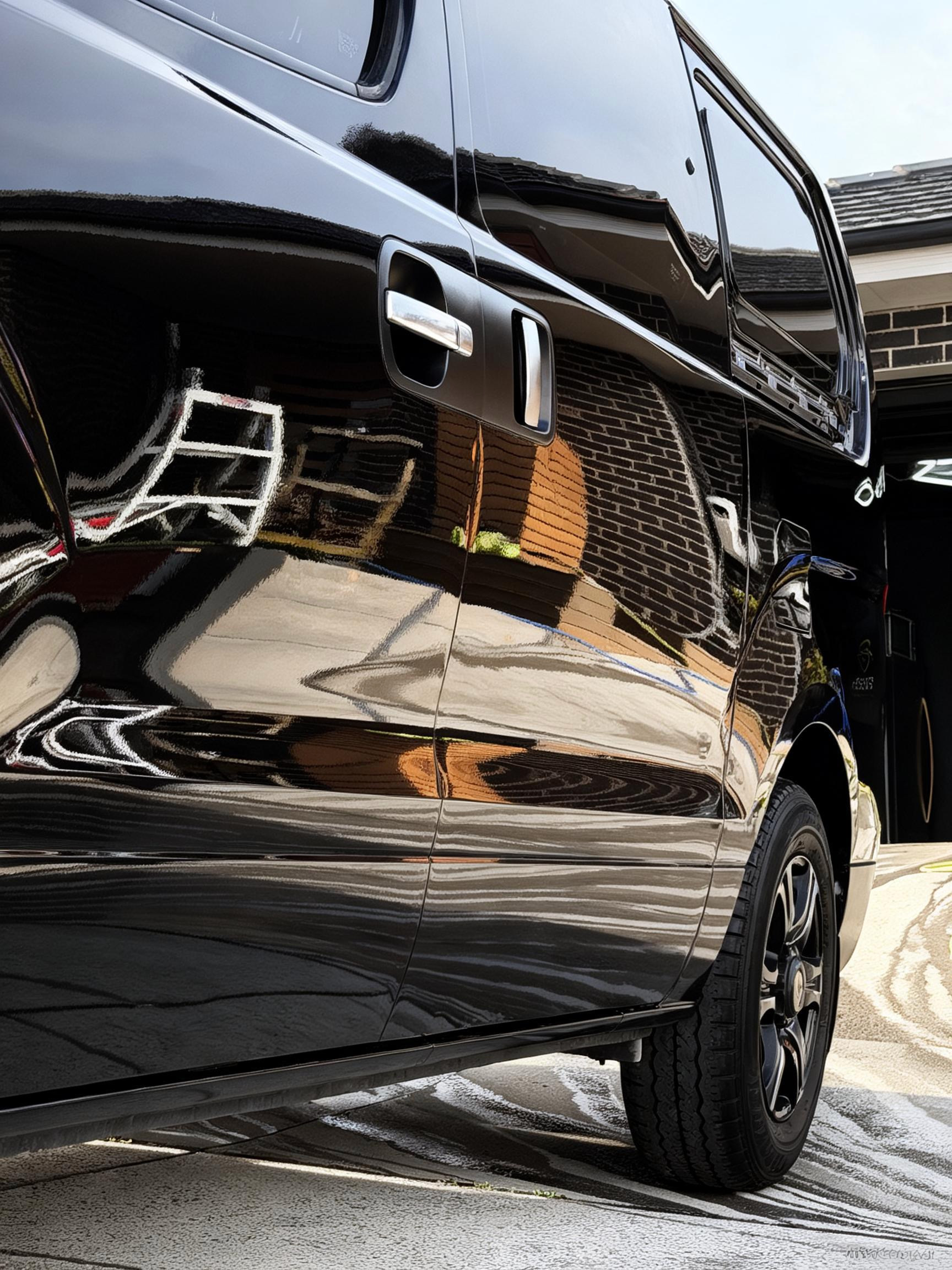


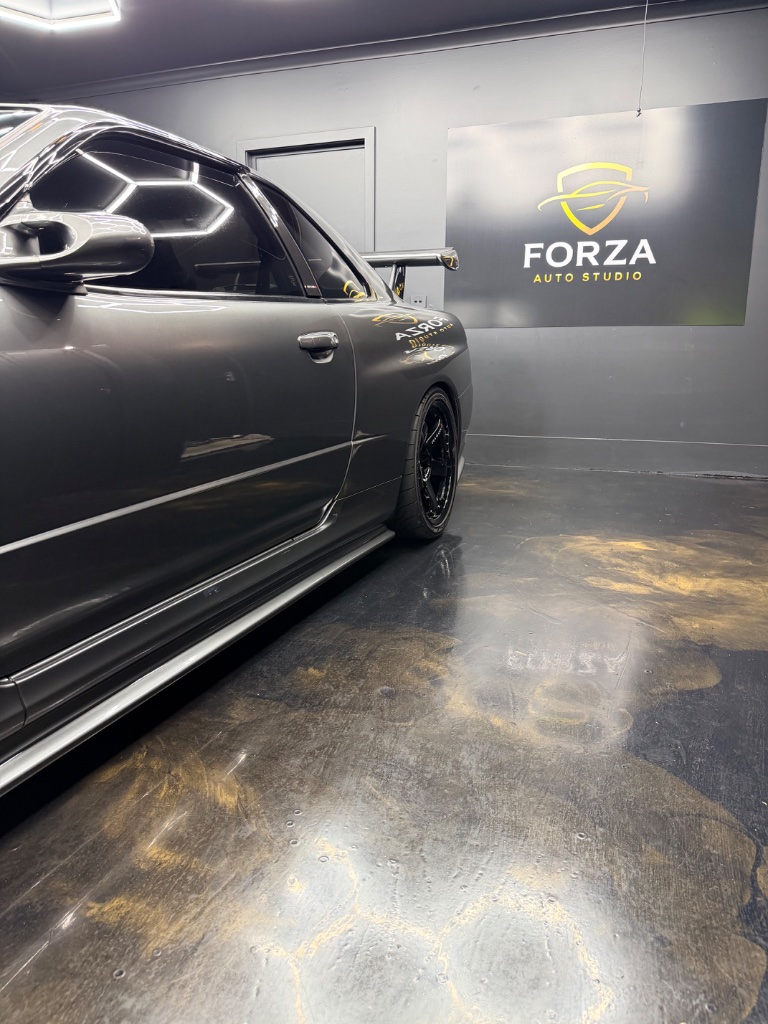
A ceramic coating should make ownership easier, not make you nervous about washing your vehicle. Knowing how to maintain ceramic coating comes down to protecting the finish from the most common source of damage: repeated poor wash technique. The coating helps dirt release more easily, improves water behaviour and supports long-term vehicle preservation, but it cannot prevent swirl marks caused by abrasive washing or remove contamination on its own.
A properly prepared and coated vehicle has already had the hard work done. Paint correction has reduced visible paint defects such as swirl marks, scratches, oxidation and water spotting, restoring clarity, depth and gloss before protection is applied. Maintenance is what keeps that refined finish looking the way it should.
Understand what the coating does - and does not do
Ceramic coating forms a durable, chemically resistant layer over the paint. Its low surface energy means dirt, road film and water are less likely to bond tightly to the surface. This makes washing more efficient and helps the vehicle retain a cleaner, glossier appearance between washes.
It is not an invisible shield against stone chips, deep scratches, car park damage or neglected washing. It also does not make paint immune to mineral deposits. In Canberra and surrounding NSW, hard water, irrigation overspray, heat and extended periods outdoors can all leave water spots if they are allowed to dry on the paint.
The goal is not to constantly add products. It is to wash thoughtfully, remove contamination before it becomes bonded, and avoid introducing fresh defects into a finish that has been carefully corrected.
The best way to wash a ceramic-coated vehicle
Frequency depends on where and how the vehicle is used. A garaged weekend car may only need a careful wash every few weeks. A daily driver parked outdoors, used on rural roads or exposed to construction dust, tree sap, bird droppings and rain may need attention weekly or fortnightly.
Do not wait until the vehicle looks heavily soiled. Dirt is easier and safer to remove before it has baked onto the surface. Regular washing also gives you the opportunity to inspect the paint, wheels, trims and glass for developing issues.
Start with a thorough pre-rinse
Rinse the vehicle from the top down with clean water before making contact with the paint. This step removes loose dust, grit and road film that could otherwise be dragged across the surface by a wash mitt.
Where the vehicle is particularly dirty, use a ceramic-coating-safe pre-wash or snow foam first. Allow it to dwell as directed, but never let it dry on the paint. The purpose is to soften and lift contamination, reducing the amount of contact washing required.
Pay close attention to lower doors, behind wheels, front bumpers, mirrors and the rear of the vehicle. These areas collect the heaviest road grime and deserve additional rinsing before a mitt touches them.
Use clean tools and controlled contact
Wash in the shade where possible, with cool panels and a quality pH-neutral car shampoo. Strong household detergents, washing-up liquid and overly aggressive cleaners can interfere with the coating's water behaviour and unnecessarily dry exterior trims and rubber.
Use a clean microfibre wash mitt and rinse it frequently in a separate bucket of clean water. Work from the roof down, leaving the lower sections until last. Use a dedicated mitt, brush or microfibre cloth for wheels, never the same tool used on paintwork.
There is no need to scrub a coated vehicle. Light, straight passes with plenty of lubrication are safer than applying pressure or repeatedly working one spot. If contamination does not release, rinse again and treat the cause rather than forcing it off with the mitt.
Dry before mineral deposits form
Drying is where many otherwise careful washes lose ground. Allowing water to evaporate on the vehicle can leave mineral spotting, particularly on dark paint, glass and gloss black trims.
Use a clean, high-quality drying towel and blot or gently glide it over the panel. A filtered air blower can be useful around mirrors, badges, grilles, wheel nuts and panel gaps where water tends to escape later. If you use a drying aid, choose one designed to be compatible with ceramic coating and apply it sparingly. It should support safe drying, not mask poor washing habits.
Remove bird droppings, sap and bugs promptly
Bird droppings, tree sap, insect residue and fuel spills should be addressed as soon as practical. These contaminants can be acidic or sticky, and heat can accelerate the effect they have on a painted surface.
Carry a clean microfibre towel and a suitable quick-detail product or waterless cleaner for isolated incidents. Spray the affected area generously, allow the product to soften the contamination, then lift it away with minimal pressure. Do not dry-wipe the panel with a serviette, old rag or sleeve.
For heavier residue, a proper wash is the safer solution. The same applies to water spots. Fresh spotting may release during a careful wash, while established mineral deposits can require specialist decontamination or correction. Avoid attacking them with abrasive polishes at home, as this can compromise the coating and create uneven results.
Keep contamination under control
Even a well-maintained ceramic coating will gradually collect bonded contamination from brake dust, industrial fallout, tar, road film and airborne particles. You may notice the paint feels less slick, water no longer beads or sheets as cleanly, or washing requires more effort than usual.
That does not automatically mean the coating has failed. Often, the coating is simply covered by contamination. A maintenance decontamination can restore surface behaviour without the need for unnecessary polishing or product layering.
This process may include iron removal, tar removal, careful cleansing of wheels and exterior plastics, and appropriate treatment of glass. Mechanical decontamination with a clay bar or clay mitt should be used selectively. While effective, it can create light marring if performed without the correct lubrication and technique. On a corrected, coated vehicle, it is best treated as a specialist maintenance step rather than routine DIY work.
Avoid the habits that create swirl marks
Most swirl marks are not sudden defects. They build gradually through repeated friction, dirty tools and rushed washing. A coating will make cleaning easier, but it cannot compensate for a contaminated wash mitt or a towel dropped onto the driveway and used again.
Avoid automatic brush washes, dry dusting, using one bucket for everything, and wiping dry dust from the paint. Be cautious with drive-through touchless washes too. They may be preferable to brushes in a pinch, but stronger chemicals and inconsistent drying can leave residue or water spotting if used frequently.
Also avoid stacking multiple spray sealants, waxes and gloss products over the coating without a reason. Some may temporarily change water behaviour, attract dust or make it harder to assess the true condition of the surface. A ceramic coating performs best when it is kept clean rather than continually covered.
Care for wheels, glass and exterior trims separately
Coated wheels are easier to maintain, but brake dust should still be removed regularly. Clean them when they are cool, using a dedicated wheel cleaner that is appropriate for the wheel finish and coating. Use separate brushes and towels, then rinse thoroughly around calipers, barrels and wheel arches.
Coated glass benefits from regular cleaning with a quality automotive glass cleaner. If wipers begin to chatter or smear, inspect the blades for contamination before assuming the glass coating is the problem. Clean or replace worn blades as required.
Exterior plastics and rubber trims should be washed gently and dried carefully. Avoid applying thick, greasy dressings that sling onto paint or create an artificial finish. A properly maintained surface should look clean and even, not overly shiny.
When professional maintenance makes sense
A preservation inspection is useful when the vehicle has been through a harsh season, has developed persistent water spots, feels rough after washing or no longer behaves as expected in the rain. It is also worthwhile before and after extended road trips, particularly for vehicles exposed to bugs, dust and highway grime.
At Forza Auto Studio, ongoing maintenance is approached as an inspection-led service. The question is not whether every vehicle needs the same process, but whether the paint, coating, wheels and exterior surfaces need a wash, decontamination, targeted correction or simply a careful reset. This protects the original paint correction work while avoiding unnecessary intervention.
A ceramic-coated vehicle should still be used and enjoyed. Wash it regularly, use clean tools, respond quickly to contaminants and ask for advice when the finish changes rather than trying to correct it aggressively. Those measured habits will do more for gloss, clarity and long-term preservation than any shortcut product ever will.