


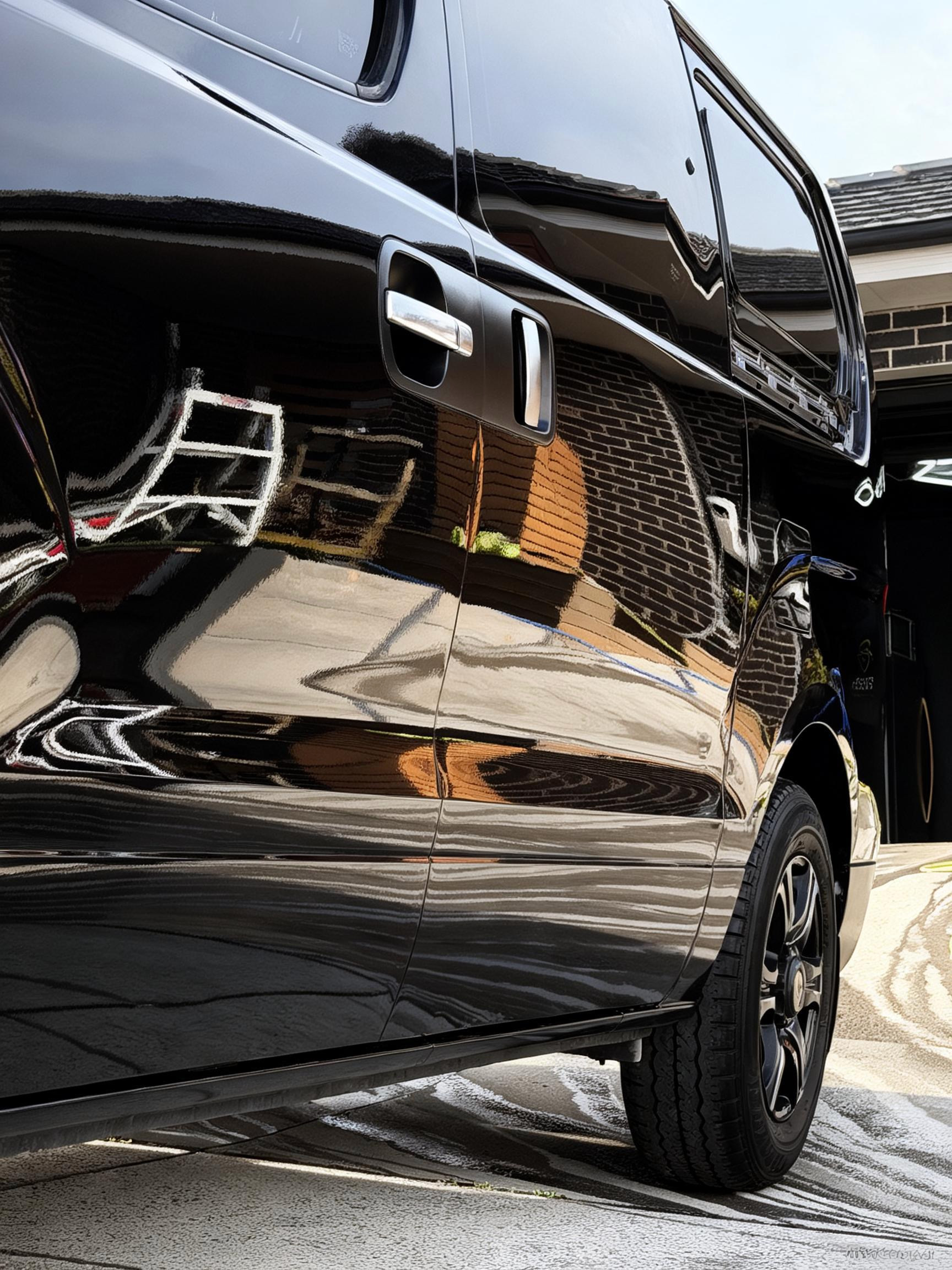


A ceramic coating can make a vehicle noticeably easier to maintain, but it does not make the paint immune to poor washing. Knowing how to wash a ceramic coated car correctly is what preserves the coating’s water behaviour, keeps gloss clear and reduces the gradual return of swirl marks and wash-induced paint defects.
The aim is not to chase a perfectly dry, dust-free vehicle every day. It is to remove contamination with as little physical contact as possible, using clean tools and a consistent process. That is the foundation of long-term vehicle preservation.
What changes when you wash a ceramic coated car?
A quality ceramic coating creates a tightly bonded, water-repellent layer over the clear coat. Water tends to bead or sheet away more readily, and dirt is less likely to bond as strongly to the surface. Those benefits make washing more efficient, particularly when the vehicle is cleaned before road film, insects, mineral deposits and grime have had time to build up.
The coating is not, however, a substitute for correct technique. Dirty wash mitts, harsh chemicals, automated brushes and wiping a dusty panel can still mark the paint beneath. A coating may reduce how readily contamination adheres, but its performance and appearance depend on sensible maintenance.
Prepare the vehicle and wash area
Wash the vehicle out of direct sunlight wherever possible, and begin only when the paintwork is cool to the touch. In Canberra’s dry summer conditions, water and shampoo can dry quickly on warm panels, leaving mineral spotting and residue before you have a chance to rinse.
Have your equipment ready before wetting the car. You will need a pH-neutral car shampoo, two buckets with grit guards, a clean microfibre wash mitt, dedicated wheel brushes or mitts, soft drying towels and a gentle hose or pressure washer. Keep wheel equipment separate from paintwork equipment. Brake dust and road grit are more abrasive than ordinary surface dirt.
Avoid household detergents, washing-up liquid and strong alkaline cleaners for routine maintenance. They can affect the coating’s water behaviour, dry exterior trims and leave the finish looking flat. A ceramic-safe shampoo should clean effectively without adding unnecessary gloss enhancers, waxes or residues that mask how the coating is actually performing.
How to wash a ceramic coated car safely
Start with a thorough pre-rinse
Rinse the entire vehicle before making contact with the paint. Work from the roof down, allowing water to carry away loose dust, grit and dirt from panel gaps, mirrors, lower doors and the rear of the vehicle.
A pressure washer can be useful when used with restraint. Keep the nozzle moving and maintain a sensible distance from badges, seals, stone-chip edges and delicate areas. The purpose is to loosen contamination, not force water into every gap or blast at one spot.
If the car is properly soiled, apply a suitable pre-wash or snow foam first. This step gives traffic film time to soften so more contamination can rinse away before the wash mitt touches the paint. Follow the product directions, do not allow it to dry, and rinse thoroughly. For a lightly dusty weekend car, a careful rinse may be enough before shampoo washing.
Clean wheels and lower sections separately
Clean wheels first if they are cool. Use a dedicated wheel cleaner only when needed, then agitate gently with tools reserved for wheels. Pay attention to barrels, calipers, tyres and wheel arches, but avoid using the same brush or bucket on painted panels afterwards.
The lower doors, side skirts, rear bumper and tailgate usually hold the heaviest road grime. Treat these areas as the highest-risk sections of the car. Leaving them until later in the contact wash helps keep your mitt cleaner while you work through the more visible upper panels.
Use a gentle two-bucket contact wash
Fill one bucket with shampoo solution and the other with clean rinse water. After washing a small section, rinse the mitt thoroughly in the rinse bucket before returning it to the shampoo bucket. Grit guards help keep released particles lower in the bucket rather than back in the mitt.
Wash from the top down in straight, controlled passes with minimal pressure. Let the shampoo provide lubrication and let the mitt glide over the surface. There is no benefit in scrubbing a coated panel. If a mark does not release easily, rinse it again or revisit it with an appropriate cleaner rather than applying more force.
Clean one section at a time, such as half the roof, a door or a guard, then rinse that section before moving on. This is particularly useful on darker paint, where dried shampoo residue and water spotting are more obvious. Leave the lower panels until last.
Rinse thoroughly and dry without rubbing
Once the contact wash is complete, rinse the vehicle from top to bottom. On a well-maintained ceramic coating, a gentle open-flow rinse can encourage water to sheet from broad panels. This removes much of the standing water and reduces the work required during drying.
Drying is a key moment for avoiding swirl marks. Use a large, clean, high-quality microfibre drying towel and pat or lightly draw it across the surface. Do not press hard or repeatedly rub an area. If the towel becomes saturated, change to a fresh one.
A vehicle air dryer or filtered blower can be helpful around mirrors, grilles, badges, wheels and panel gaps. Removing trapped water prevents the familiar drips that appear once the car is parked. It also reduces physical contact on intricate areas where a towel can catch or drag.
If you use a ceramic coating maintenance spray, apply it only to clean, cool paint and follow its directions. These products can add lubrication during drying and refresh water behaviour, but they are not required at every wash. Too much product can leave residue and make it harder to assess whether the underlying coating needs attention.
Common mistakes that reduce coating performance
The most common issue is washing too infrequently, then trying to remove weeks of contamination in one aggressive session. Bird droppings, insect residue, tree sap and hard-water deposits should be addressed promptly, especially in warm weather. The longer they remain, the more likely they are to mark the coating or affect the clear coat beneath.
Avoid drive-through brush washes. Even when the vehicle looks clean afterwards, brushes can carry abrasive contamination from prior vehicles across the paintwork. That contact can gradually dull gloss and introduce swirl marks, which a ceramic coating cannot prevent completely.
Routine claying is another unnecessary habit. Clay bars and synthetic clay media are useful decontamination tools when bonded contamination is present, but they create mechanical contact and may affect the finish if used carelessly. If the paint feels rough after washing, or water behaviour has become inconsistent, the vehicle may need an assessment rather than a default clay treatment.
Do not judge a coating solely by dramatic water beading. Contamination, traffic film and mineral deposits can flatten water behaviour even while the coating remains present. A proper wash followed by a controlled decontamination process, where appropriate, gives a more accurate picture.
Set a maintenance rhythm that suits the vehicle
For a regularly driven vehicle, washing every one to two weeks is a sensible starting point. It depends on where it is parked, how far it travels, whether it sees wet roads and how quickly it accumulates contamination. A garage-kept enthusiast vehicle may need only a careful rinse and maintenance wash after occasional use, while a daily driver parked outdoors may need more frequent attention.
Between washes, avoid dry wiping dust from the paint. If light dust is bothering you, a proper rinse is safer than a quick wipe with a towel. Keep a clean microfibre and a suitable waterless product only for isolated fresh marks when a full wash is not practical, not as a replacement for routine washing.
A ceramic coated vehicle should become easier to care for over time, not more complicated. The best process is the one you can repeat carefully: cool paint, thorough pre-rinse, clean wash media, minimal pressure and patient drying. When the finish no longer feels smooth, water spots persist or gloss begins to look muted despite careful washing, an inspection-led maintenance service can identify whether decontamination, gloss enhancement or coating maintenance is genuinely required.