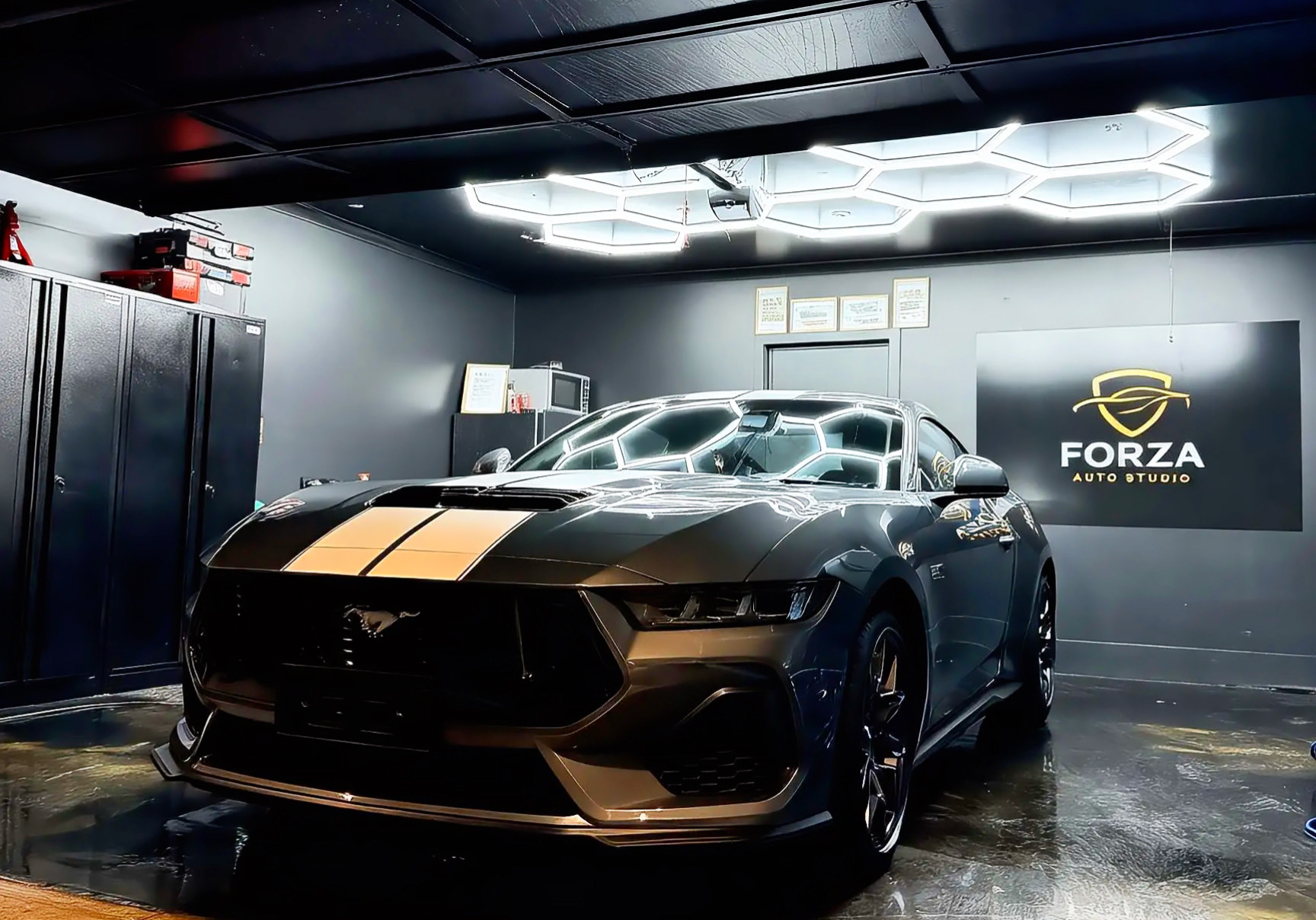

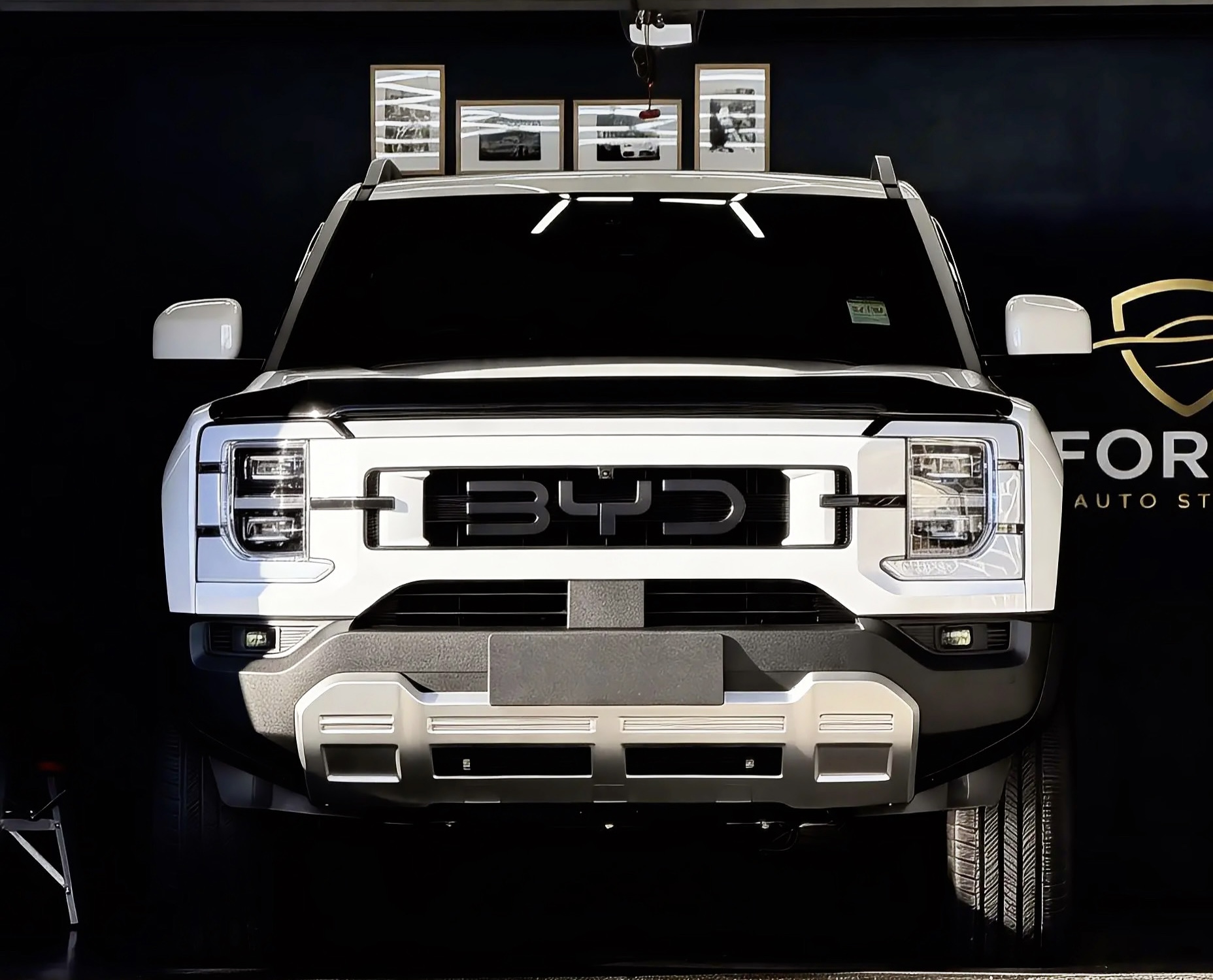
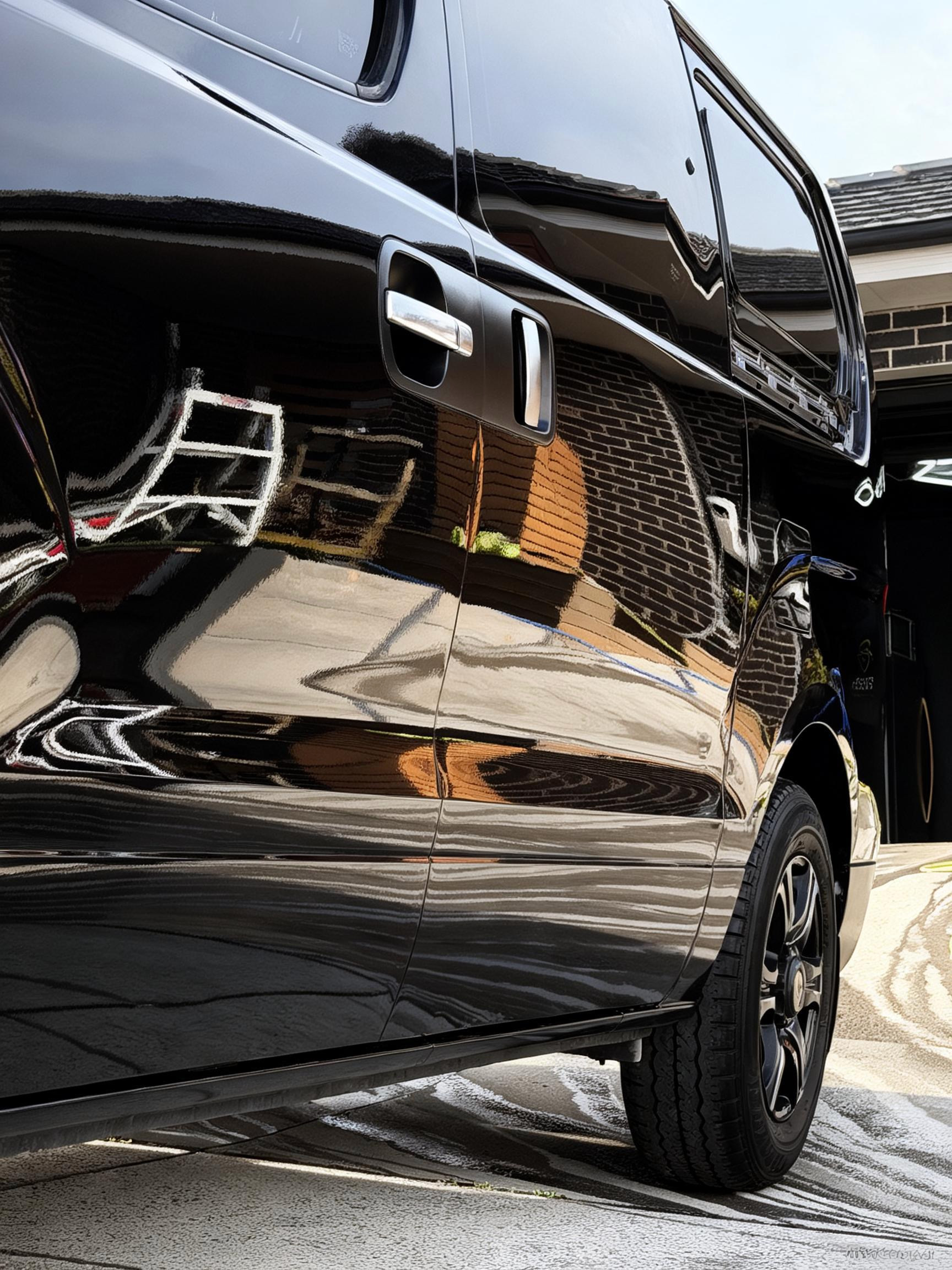
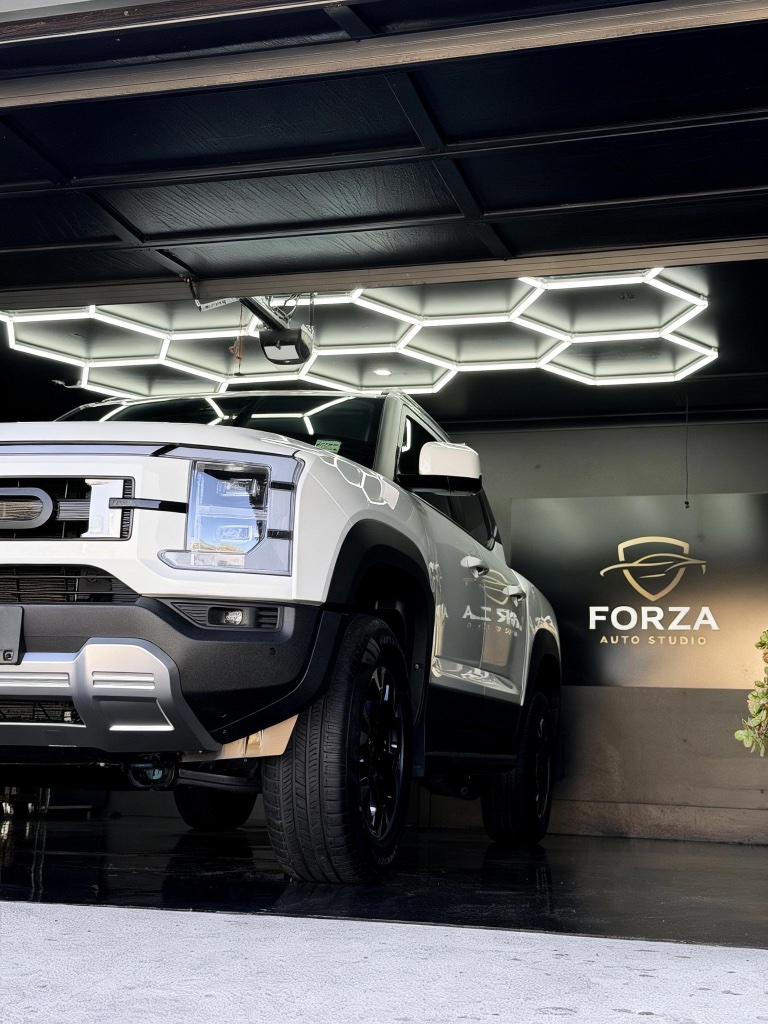

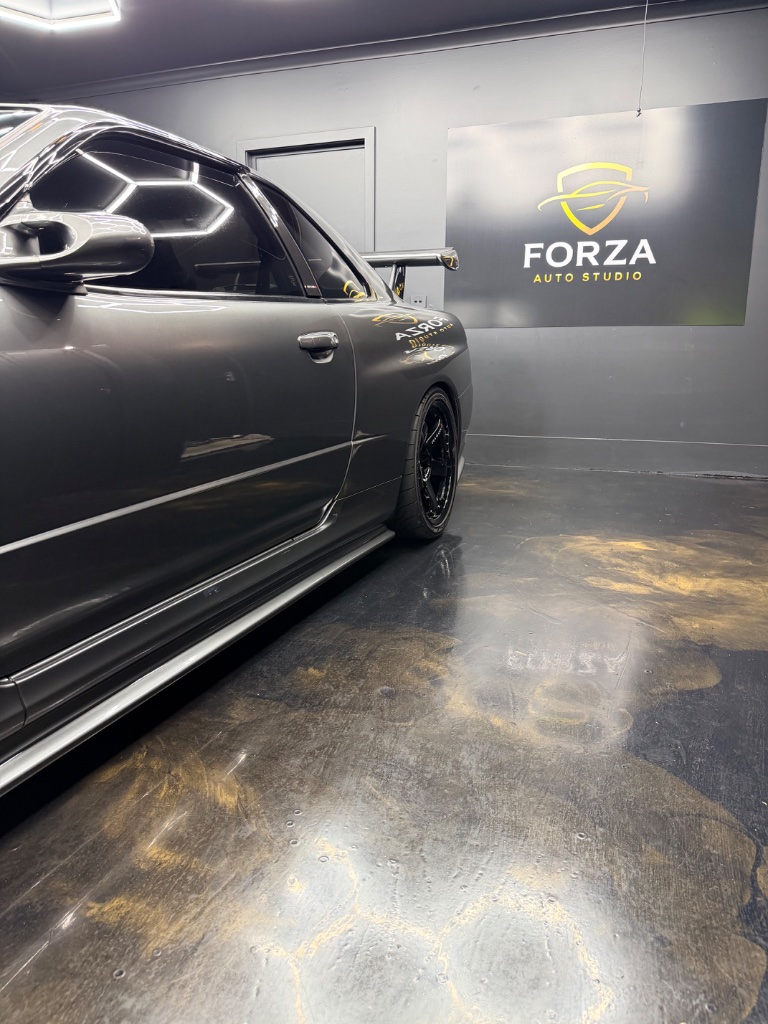
A ceramic coating will not make neglected paint perfect, nor will it prevent every scratch, stone chip or water mark. What it can do, when the paint has been properly prepared, is make a meaningful difference to how your vehicle presents and how easily it can be maintained. So, is ceramic coating worth it? For owners who value a cleaner, glossier and more easily preserved finish, it often is - but the preparation and the vehicle’s real-world use matter far more than the label on the bottle.
Is ceramic coating worth it? It depends on the starting point
Ceramic coating is a liquid-applied protective coating that cures over the vehicle’s clear coat. It is designed to create a more chemically resistant, water-repellent and easier-to-clean surface than unprotected paint. On a properly corrected vehicle, it also helps retain the clarity, depth and gloss achieved during the refinement process.
The key distinction is that a ceramic coating protects the condition beneath it. It does not correct it. If the paint has swirl marks, wash-induced scratches, oxidation, staining or water spots, those paint defects will remain visible after coating - often with greater clarity under a fresh, glossy finish.
That is why a worthwhile ceramic coating service begins with an inspection, not a fixed package. A new vehicle may have dealership preparation marks, transport contamination or light marring despite its low kilometres. An older daily driver may need targeted paint correction before protection. A cherished weekend car may require a more considered multi-stage correction to restore depth and clarity before the coating is applied.
The right level of work should reflect the vehicle’s condition, paint type, intended use and your expectations. There is little value in pursuing unnecessary correction, but there is also limited benefit in coating over defects that you had hoped to improve.
What ceramic coating does well
The practical benefit most owners notice first is easier washing. A quality ceramic coating reduces the tendency for dirt, road film and grime to cling to the painted surface. Water beads and sheets more readily, and drying is generally simpler when the vehicle is washed correctly.
This does not mean the car stays clean indefinitely. Canberra’s dry dust, rain, tree fallout and changing temperatures still affect every vehicle, while owners travelling through regional NSW may also contend with bugs, road grime and mineral-rich water. The coating makes contamination easier to remove during regular maintenance; it does not remove the need for maintenance.
A ceramic coating also provides useful resistance to common environmental contaminants. Bird droppings, bug residue, tree sap and water spotting should still be removed promptly, but a protected, well-maintained surface is generally more forgiving and easier to clean safely. That supports long-term vehicle preservation, particularly for vehicles that are regularly exposed to the elements.
Visually, the benefit is more refined than dramatic. Ceramic coating enhances the reflectivity of well-prepared paint, helping the colour appear cleaner and the finish look more consistent. On dark colours, metallic paint and vehicles with strong body lines, the increase in gloss and clarity can be especially noticeable. It is not an artificial shine. The best result comes from correcting the paint properly, then protecting that refined finish.
What a ceramic coating cannot do
Ceramic coatings are often misunderstood as a substitute for careful ownership. They are not a force field over the paint.
They do not stop stone chips, prevent impact damage, eliminate scratching or make improper washing harmless. Brushes, abrasive wash media and poor drying techniques can still mark a coated vehicle. Automatic car washes, particularly those with contact brushes, remain a risk to gloss and paint clarity.
They also do not mean contamination can be ignored. Bird droppings and tree sap are time-sensitive on any vehicle, while hard-water spotting can still develop if mineral-rich water is left to dry repeatedly in direct sun. Coating provides a stronger maintenance foundation, not permission to leave the car unattended between washes.
For some owners, this is the deciding factor. If a vehicle is treated purely as transport, rarely cleaned carefully and regularly sent through contact washes, the full benefit of a professional coating may not be realised. A tailored deep clean and sensible protection approach may be more appropriate. Good recommendations should fit the way the vehicle will actually be used.
Preparation determines the result
The visible quality and long-term performance of a ceramic coating rely heavily on what happens before it is applied. Paintwork needs to be thoroughly cleaned and decontaminated to remove bonded fallout, tar, mineral deposits and other contaminants that normal washing will not shift.
From there, the paint is assessed under proper lighting. This reveals the swirl marks, scratches, water spots and haze that can disguise themselves in ordinary daylight. Paint correction is then carried out to safely reduce relevant defects and restore gloss, clarity and depth. The aim is not to chase an unrealistic standard at the expense of paint thickness. It is to achieve the best responsible improvement for that individual vehicle.
Once the paint has been refined, the surface must be prepared carefully so the coating can bond correctly. Rushed preparation can compromise both appearance and protection. This is why ceramic coating should be viewed as a preservation process rather than a quick cosmetic add-on.
Forza Auto Studio approaches this work one vehicle at a time, with PJ personally assessing the paint condition and the owner’s priorities before recommending a pathway. Some vehicles need a paint enhancement and practical protection. Others warrant more extensive correction before coating. The inspection should lead the process, not a predetermined package.
When ceramic coating makes particular sense
Ceramic coating is often a strong investment for new cars, but not simply because they are new. New paint is easiest to preserve when it is corrected and protected early, before repeated washing and daily use introduce more defects. It can also address issues left by transport, storage or dealership preparation.
It is equally valuable for a well-maintained used vehicle once the paint has been brought back to a suitable standard. Owners who have invested in restoring a tired finish usually want to retain that improvement, not watch it gradually lose gloss through avoidable contamination and washing damage.
Performance, European, luxury, classic and enthusiast vehicles are obvious candidates, yet a ceramic coating can be just as sensible on a daily driver that is kept for many years. The value comes from reduced maintenance effort, a consistently cleaner presentation and better protection of the finish you already care about - not from the badge on the bonnet.
It can also suit owners who enjoy washing their vehicle but want the job to be less demanding. With appropriate wash methods, a coated car is easier to maintain without repeatedly polishing the paint. That matters because polishing is corrective work and should not be treated as routine maintenance.
Maintenance is part of the investment
A coating performs best when supported by sensible care. Regular washing with clean, suitable wash media, thorough drying and timely removal of contaminants will preserve the appearance of both the coating and the paint beneath it. Avoid harsh, unsuitable chemicals unless they are necessary for a specific contaminant and used correctly.
Wheels, glass and exterior plastics can also be protected where appropriate, helping simplify maintenance across the vehicle rather than focusing only on painted panels. The best combination depends on where the car is stored, how often it is driven and which surfaces create the most cleaning effort for the owner.
Ongoing specialist maintenance can be useful for owners who want the finish checked and cared for at regular intervals. It is an opportunity to address contamination early, maintain the presentation of the vehicle and make sure the original correction and protection work continues to be respected.
The better question to ask before booking
Rather than asking whether ceramic coating is worth it in isolation, ask what you want from your vehicle over the next few years. If your aim is to reduce visible paint defects, restore gloss, make cleaning easier and preserve a finish you are proud of, a professionally prepared ceramic coating can be a very considered decision.
If the vehicle needs correction first, that should be discussed openly. If a lighter level of preparation is more appropriate for its role as a daily driver, that is equally valid. The right result is not the most extensive process on paper. It is a finish that suits the vehicle, its use and the care it will receive after it leaves the studio.
A coating is most rewarding when it becomes part of a deliberate ownership routine: clean it safely, deal with contamination promptly, and give the paintwork the same consideration you gave when choosing the vehicle in the first place.