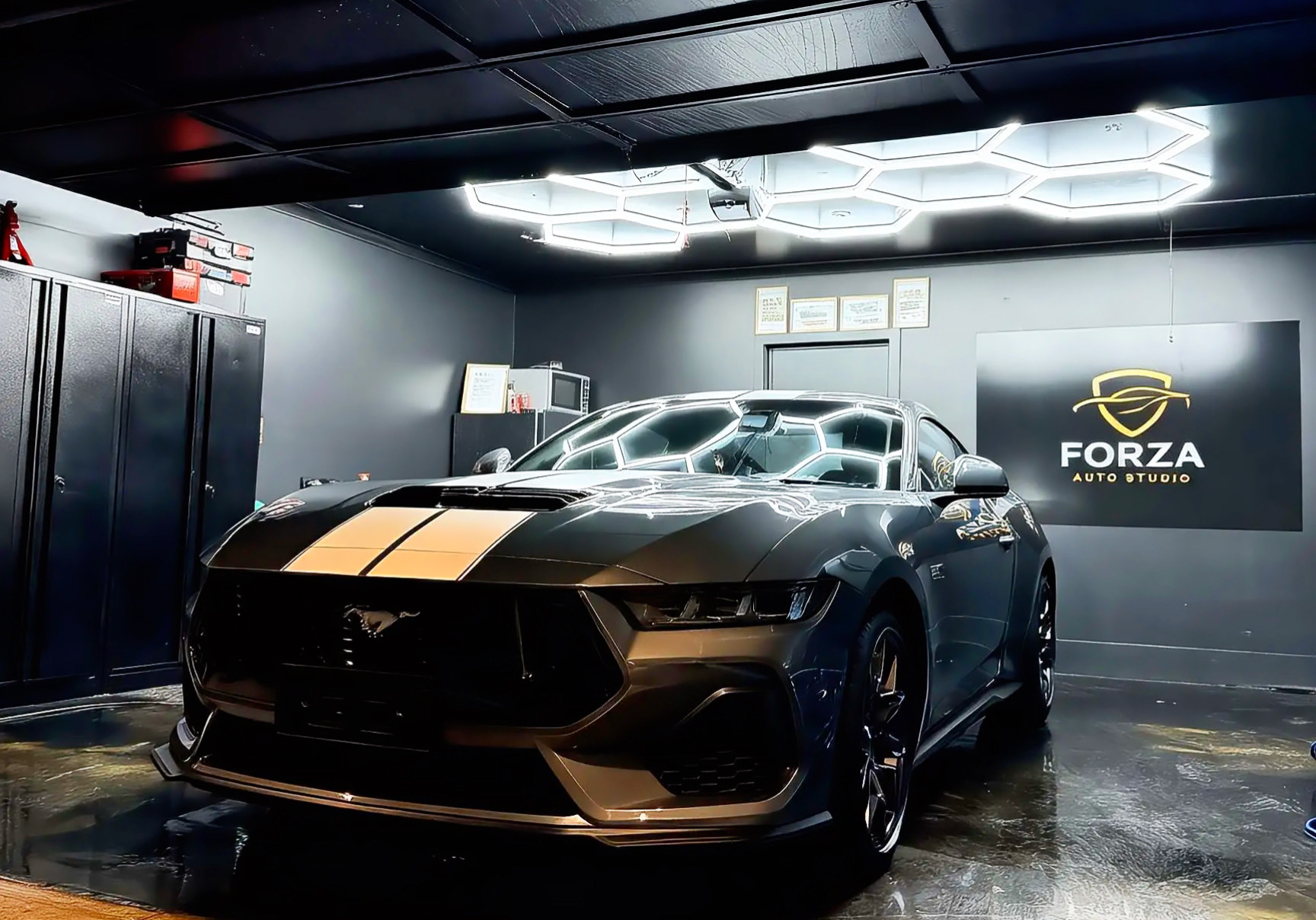
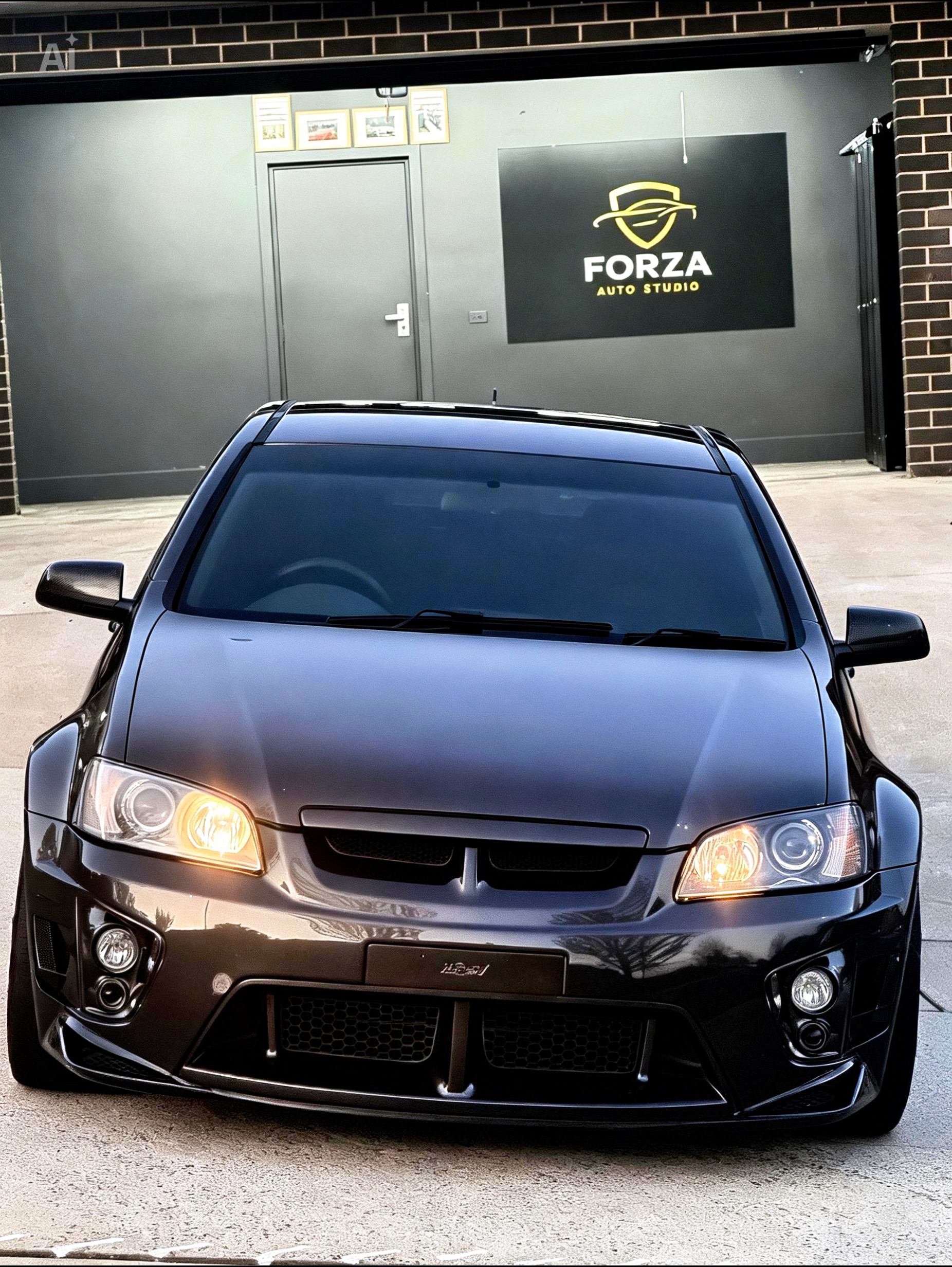
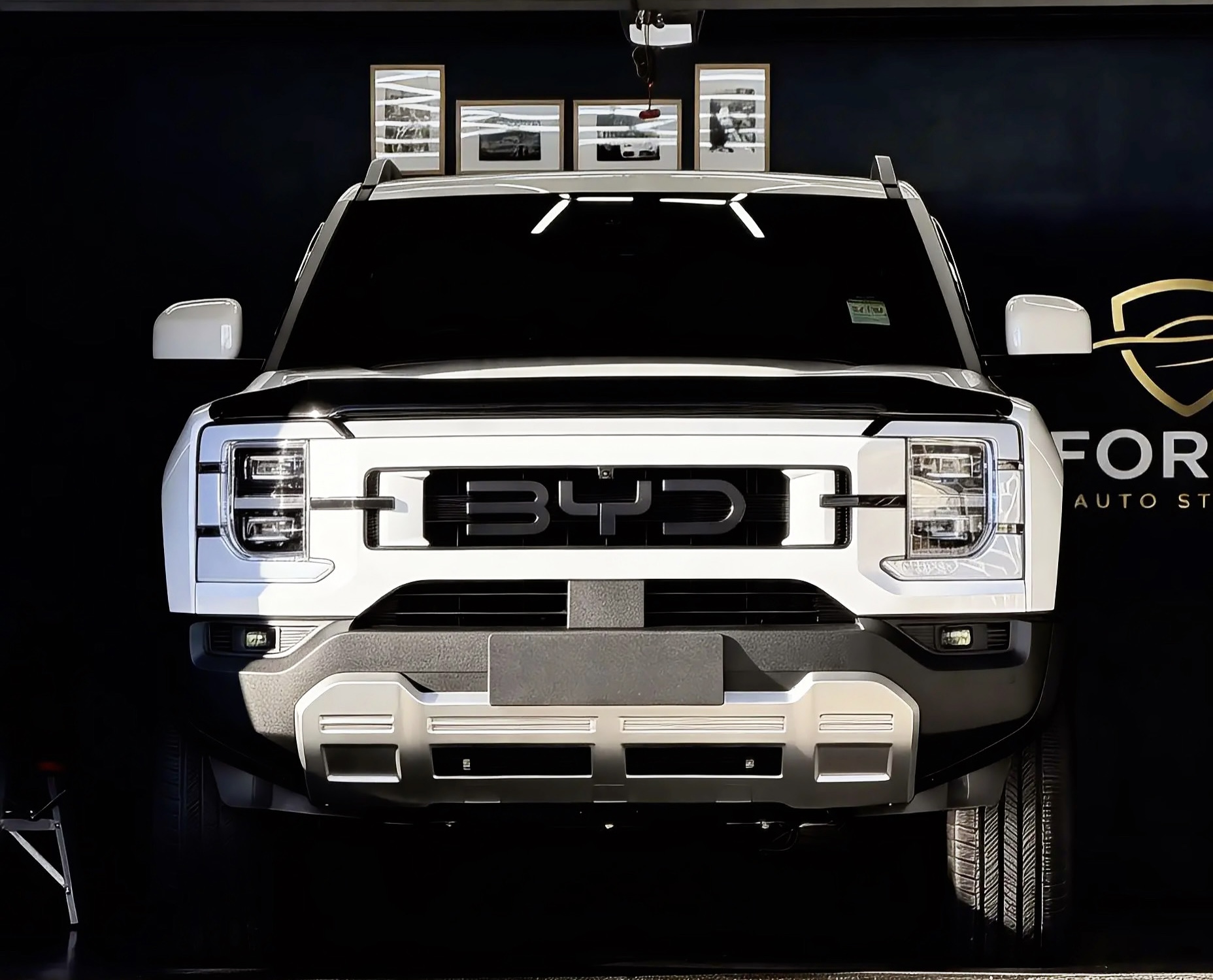
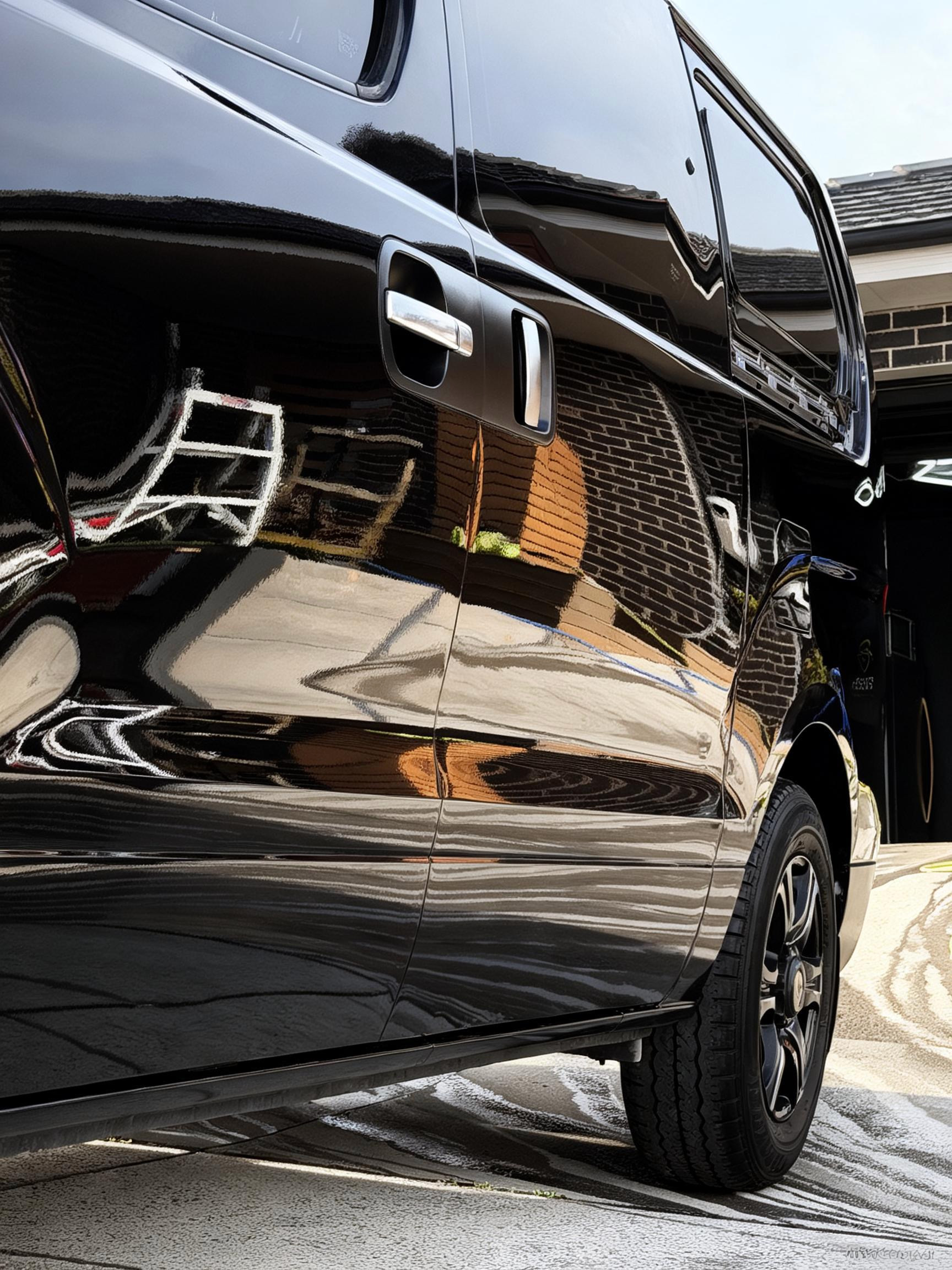
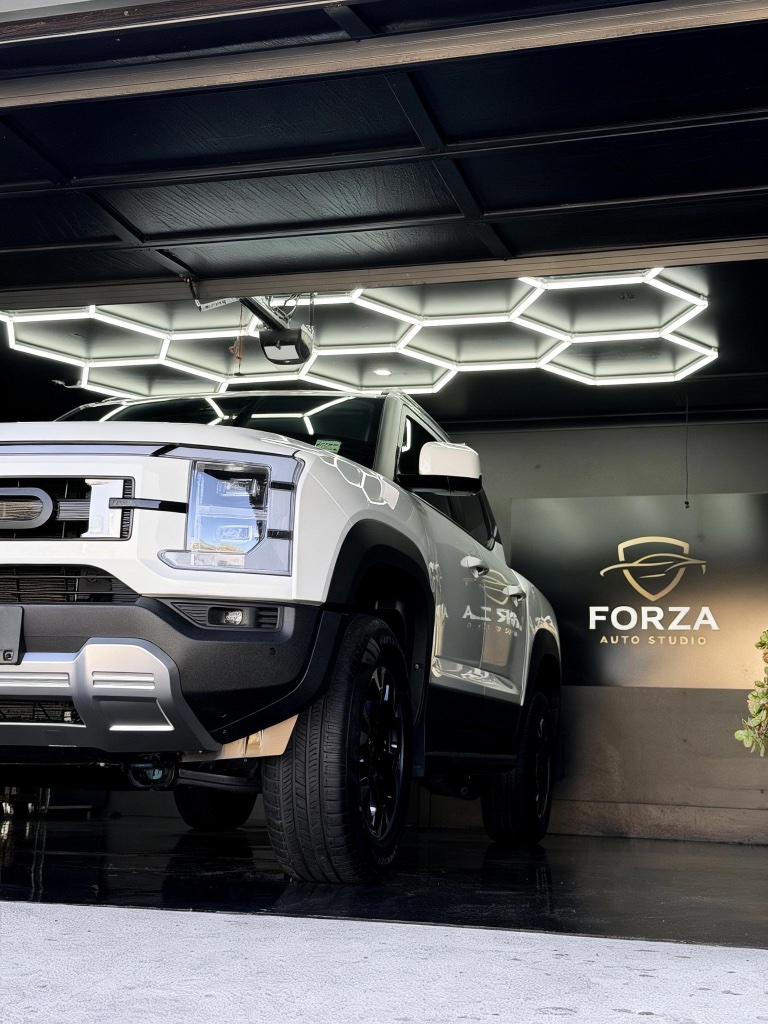

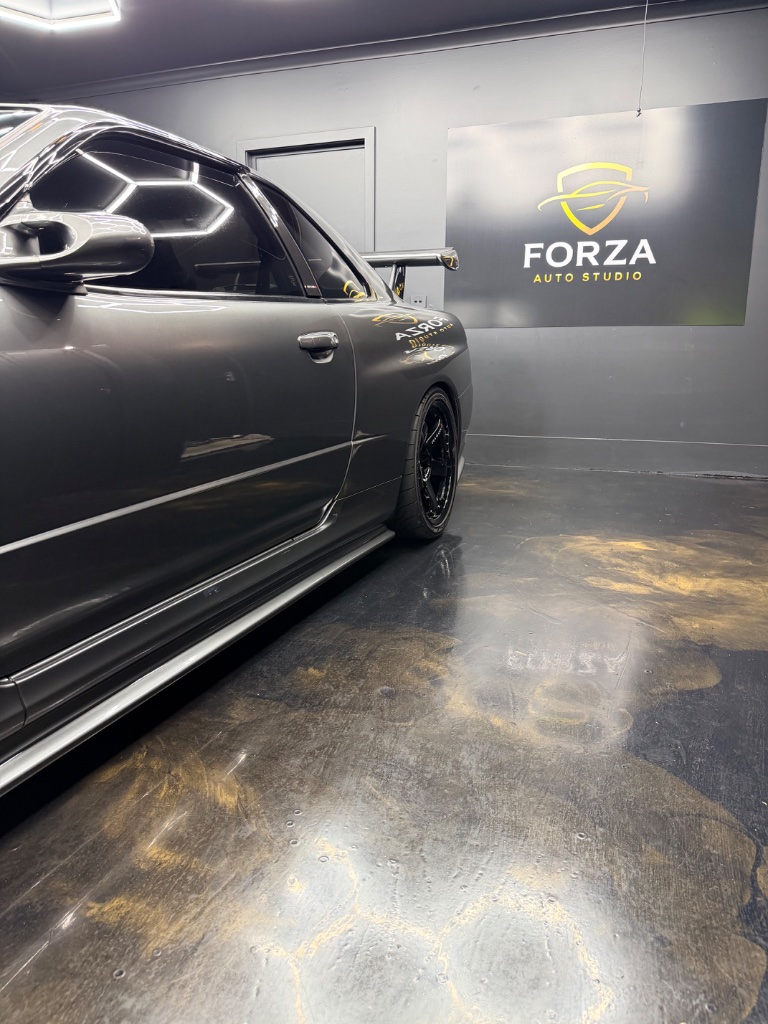
A ceramic coating can make a well-kept vehicle easier to maintain and more satisfying to own, but is ceramic coating worthwhile for every car and every owner? Not automatically. Its value depends on the paint beneath it, how the vehicle is used, where it is parked, and whether you are willing to maintain it correctly.
For an owner who values paint clarity, gloss and long-term vehicle preservation, a professional ceramic coating is often a sensible investment. For someone expecting a coating to erase existing scratches, prevent every mark or remove the need to wash the car, it will disappoint. The best results start with clear expectations and an inspection-led recommendation.
What a ceramic coating actually does
A ceramic coating is a liquid-applied protective layer that chemically bonds to the vehicle's exterior surfaces. Once cured, it creates a durable, low-energy surface that resists grime adhesion and improves water behaviour. Water tends to bead or sheet more readily, washing is generally easier, and the finish can retain a cleaner, sharper appearance between maintenance washes.
The practical benefit is not simply that water beads on the bonnet. A properly prepared and coated vehicle is less likely to hold onto ordinary road film, insects, bird droppings and wash residue for as long as an unprotected surface. This gives the owner a better chance of cleaning contamination away safely before it affects the finish.
Ceramic coatings also provide useful resistance against environmental exposure. In Canberra and surrounding NSW, vehicles can contend with strong UV, dust, rainwater mineral deposits, tree fallout and seasonal temperature changes. A coating adds a sacrificial protective layer between those contaminants and the clear coat, helping preserve the refined surface beneath when it is maintained promptly.
What ceramic coating will not do
The strongest ceramic coating still has limits. It does not make paint scratch-proof, stone-chip-proof or immune to vandalism. Poor washing technique can still introduce swirl marks, automatic car washes can still abrade the finish, and neglected bird droppings or hard-water spotting can still cause damage.
Nor does a coating correct paint defects. If the paint has wash marring, deeper scratches, oxidation or etched water spots, applying protection over the top merely preserves what is already visible. This is why paint correction and ceramic coating are closely connected, but they are not the same service.
Paint correction is the controlled refinement of the clear coat to reduce visible defects and restore gloss, clarity and depth. The right level may be a paint enhancement for a newer vehicle with light swirls, or a multi-stage paint correction for a more heavily affected finish. The aim is to improve the paint safely and realistically, not to chase an unnecessary level of correction at the expense of clear-coat thickness.
Is ceramic coating worthwhile after paint correction?
This is often where ceramic coating delivers its clearest value. Once paint correction has improved the finish, the coating helps preserve that improved presentation and makes sensible maintenance more achievable. You have invested in restoring clarity, so it makes sense to protect it from the contaminants and washing friction that gradually dull it again.
The difference can be especially noticeable on dark colours, where swirl marks and water spotting are easier to see. A coating will not prevent every future mark, but it can make washing more controlled, reduce the need for aggressive cleaning and help the paint remain visually cleaner between appointments.
It is also worthwhile for new vehicles, although new does not always mean flawless. Dealership preparation, transport films, storage and routine washing can leave light paint defects even before handover. An inspection identifies whether the paint needs a light enhancement before protection or whether it is already in suitable condition for coating.
When a ceramic coating makes sense
Ceramic coating is generally a strong fit if you intend to keep the vehicle for several years, appreciate a consistently clean appearance and are prepared to follow good maintenance habits. It is equally relevant to enthusiast cars used on weekends, luxury vehicles, performance cars, classics and carefully maintained daily drivers.
It can also be useful for vehicles with awkward-to-clean designs. Gloss black trim, intricate wheels, large glass areas and exterior plastics often benefit from appropriately selected coatings because these surfaces collect visible grime quickly. Coating wheels, for example, can make brake dust easier to remove during regular cleaning. Glass coatings can improve wet-weather water behaviour, while protection for exterior plastics can assist with ongoing presentation.
The right approach is rarely a fixed package. A garage-kept weekend car, a daily-driven European sedan and a family SUV parked outdoors will have different exposure, condition and maintenance needs. The coating system and preparation should reflect those differences.
When it may not be the right first step
A ceramic coating may not be the priority if the vehicle needs more immediate attention elsewhere. Heavily contaminated paint, substantial water spotting, neglected interior surfaces or widespread paint defects should be addressed before protection is considered. Coating a surface without proper decontamination and preparation compromises the result from the start.
It may also be less worthwhile for an owner who cannot maintain the vehicle with reasonable care. That does not mean constant detailing is required. It does mean avoiding harsh brush washes, removing corrosive contamination promptly and using safe wash methods. A coating reduces maintenance effort; it does not remove the need for maintenance altogether.
For some vehicles, a thorough deep clean and paint enhancement may be the more appropriate first step. This can restore a meaningful amount of gloss and clarity without committing to a full preservation plan immediately. The honest answer should follow the condition of the vehicle and the owner's intended use, not a predetermined service menu.
Preparation determines the outcome
Ceramic coating performance is closely tied to the work completed before the coating is applied. The surface needs a detailed wash, chemical decontamination and mechanical decontamination where appropriate to remove bonded fallout, tar and other embedded contamination. Paintwork is then assessed under proper lighting to identify swirl marks, scratches, dullness and other defects.
After the agreed paint correction stage, the refined surfaces must be carefully cleansed so the coating can bond correctly. Application itself requires control over temperature, humidity, levelling and curing. These steps are less visible than the final gloss, but they are where long-term results are earned.
At Forza Auto Studio, each vehicle is inspected before a recommendation is made because preparation should match the condition of the paint rather than follow a generic formula. PJ works on one vehicle at a time, allowing the correction work, coating application and final inspection to receive the attention they require.
Maintenance is part of the value
The owners who see the greatest value from ceramic coating treat it as part of a preservation routine. Wash the vehicle regularly using pH-neutral products and clean wash media. Use a pre-rinse to remove loose grit, avoid working in direct sun where possible, and dry with clean, high-quality towels or appropriate drying equipment.
Contaminants still need timely attention. Bird droppings, insect remains, tree sap and water spots should not be left to bake onto the surface. The coating gives you more cleaning margin, but it is not a substitute for responding to contamination.
Ongoing specialist maintenance can be valuable for owners who want their vehicle periodically checked, decontaminated and refreshed without risking the paint through inconsistent washing. It also allows small issues to be addressed before they become more difficult to correct.
The worthwhile question is really about ownership
Ceramic coating is worthwhile when it supports how you want to own the vehicle. If your aim is easier upkeep, stronger presentation and a more considered approach to preserving refined paintwork, it can be a highly practical choice. If the expectation is permanent perfection with no maintenance, it is the wrong product for the job.
A good decision begins with the paint as it is now, the conditions the car will face and the standard you want to maintain. Start there, and the appropriate level of paint correction and protection usually becomes clear.