

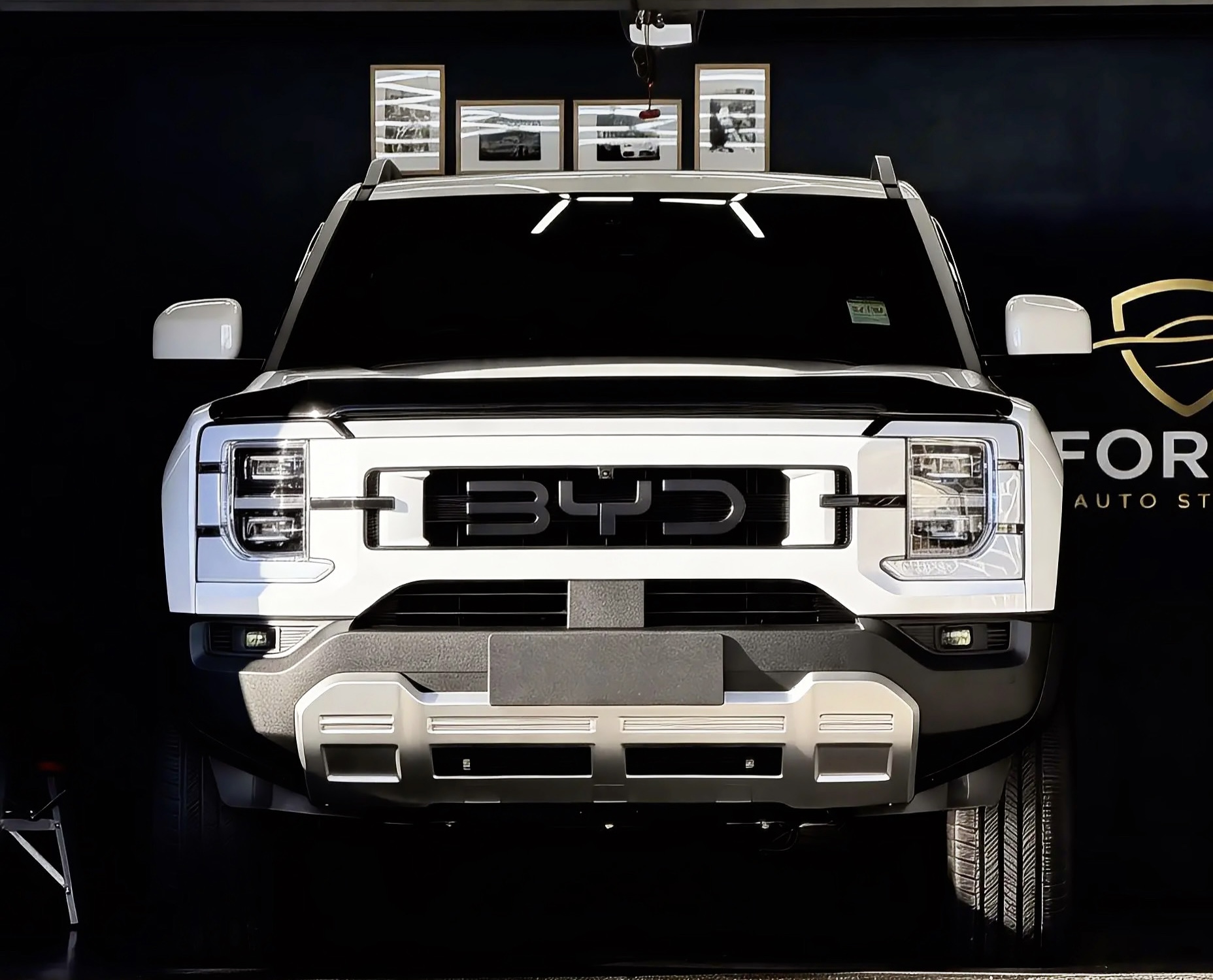
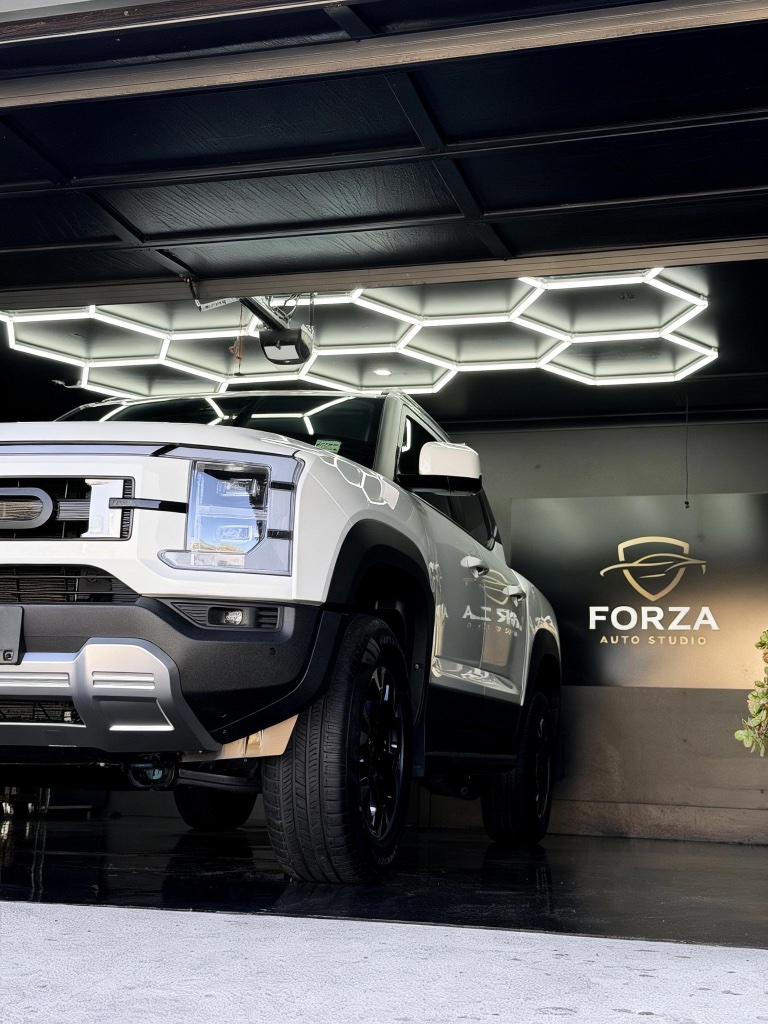

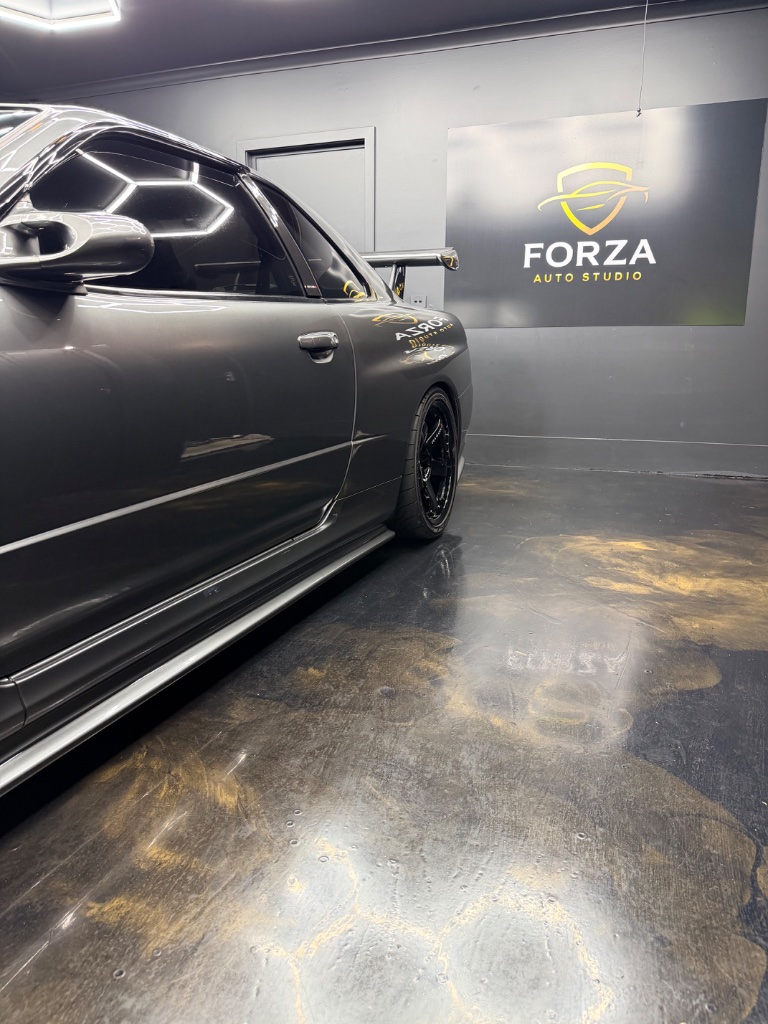
A new car ceramic coating is often considered before the vehicle has even reached the driveway. That makes sense: the paint is fresh, the interior is clean and owners want to keep that new-car presentation intact. But new does not automatically mean flawless, and coating a vehicle without properly assessing and preparing its paint can preserve defects beneath a highly glossy surface.
The right approach starts with the vehicle in front of us. Its paint condition, colour, storage, intended use and owner expectations all influence whether ceramic coating is appropriate, and how much preparation should come first. For owners who value long-term vehicle preservation, the coating itself is only one part of the result.
What a New Car Ceramic Coating Actually Does
A professional ceramic coating forms a durable protective layer over prepared exterior surfaces. It can improve water behaviour, reduce the tendency for grime to bond to paintwork and make routine washing more straightforward. The visual benefit is equally valuable: when applied over refined paint, a coating can enhance the clarity, depth and gloss already present in the finish.
This is particularly useful on vehicles used regularly around Canberra and surrounding NSW. Dust, road film, rain, bird droppings, tree residue and mineral deposits all build up over time. A coated surface is generally easier to clean correctly, which supports better wash habits and helps maintain the vehicle’s presentation between specialist maintenance visits.
Ceramic coating is not armour. It will not stop stone chips, prevent every scratch or remove the need to wash the vehicle. Abrasive contact, poor washing technique and neglected contaminants can still mark or degrade the finish. The practical value is that a well-prepared coated vehicle is easier to care for, so owners have a better foundation for keeping paint defects from accumulating unnecessarily.
Gloss Comes From Paint Condition First
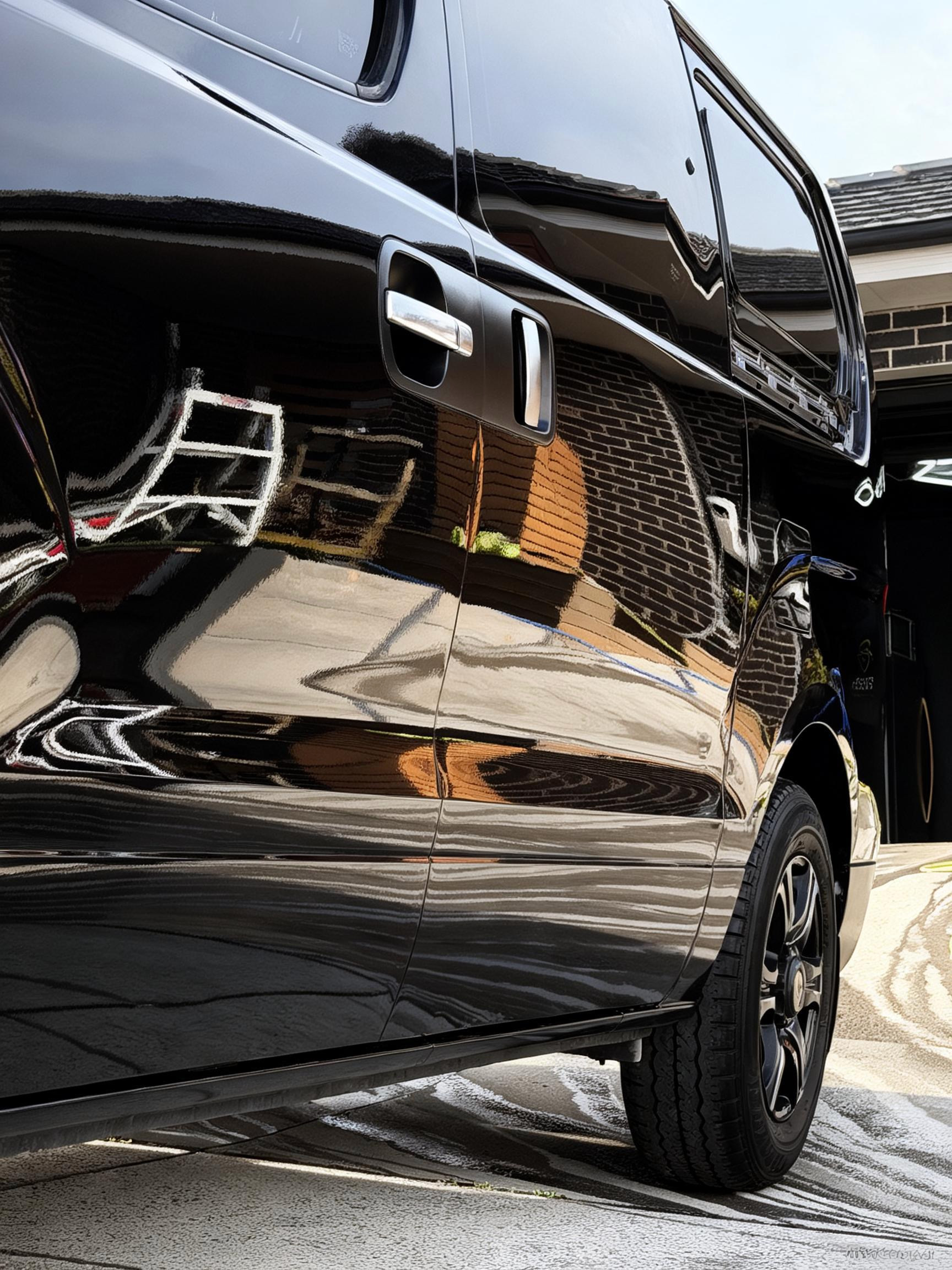
A coating can add richness and surface slickness, but it cannot correct cloudy paint, swirl marks, scratches or water spotting. In fact, increased gloss can make remaining defects more noticeable under direct light.
That is why the condition of new-car paint deserves a proper inspection. Some vehicles arrive with remarkably good paintwork. Others have light wash marring, adhesive residue, transit contamination, dealer-installed marks or isolated scratches from delivery preparation. These are not always obvious in a showroom, where lighting is designed to flatter a vehicle rather than reveal every paint defect.
Why Preparation Matters Before Ceramic Coating
Before coating, the exterior should be cleaned and decontaminated to remove material that ordinary washing does not fully address. This may include bonded industrial fallout, brake dust, tar, road film and other contaminants embedded in the paint surface. The aim is to create a clean, stable foundation rather than apply protection over residue.
The next decision is paint correction. For a new vehicle, this does not necessarily mean an extensive multi-stage correction. A carefully chosen paint enhancement may be enough to reduce light defects and restore gloss, clarity and depth while preserving as much original paint as possible. If the inspection identifies more substantial scratching, oxidation or water spotting, a more involved correction process may be justified.
This is where fixed packages can be unhelpful. A garaged weekend vehicle with excellent delivery condition may need a different level of refinement to a daily-driven black SUV that has already been washed several times. The sensible recommendation is the one that responds to the actual paint, not simply the age or badge of the vehicle.
Coating Preparation Is a Controlled Process
Once paint correction is complete, the surface is carefully cleansed to remove polishing oils and prepare it for coating application. The coating is then applied methodically in manageable sections, levelled at the correct stage and inspected under suitable lighting. Cure time matters too. Rushing this part of the work risks compromising the uniformity and finish that the preparation was intended to achieve.
Professional systems can also be considered for wheels, exterior glass and plastics where suitable. These areas face different forms of contamination and wear, so they should be assessed independently rather than treated as an automatic add-on. Coated wheels, for example, can make brake dust easier to remove, while appropriate glass protection can improve wet-weather visibility when maintained correctly.
Is Ceramic Coating Right for Every New Vehicle?
Ceramic coating is a strong option for many owners, but it is not an obligation of new-car ownership. The best choice depends on how the vehicle will be used and cared for after collection.
An enthusiast vehicle that is hand-washed, garaged and driven selectively may benefit most from the visual refinement and reduced maintenance effort. A daily driver parked outdoors can benefit from easier cleaning and an additional protective barrier against routine environmental exposure. A family SUV, work ute or long-distance vehicle may call for a practical scope focused on the surfaces that receive the greatest use.
The owner’s maintenance routine matters as much as the initial application. If washing is likely to happen infrequently, or through methods that use harsh chemicals and abrasive contact, no coating can maintain its best appearance indefinitely. Conversely, a simple, consistent routine using suitable products and clean wash media can help retain the finish for far longer.
A coating should therefore be seen as part of a preservation plan, not a one-time transaction. It works best when the initial preparation, owner habits and periodic inspection all support one another.
Maintaining a Coated New Car
The first wash after coating should follow the curing guidance provided for the specific system used. After that, regular but gentle maintenance is the priority. Allowing heavy dirt, bird droppings, insect residue and hard-water spotting to remain on the paint for extended periods makes any surface harder to maintain, coated or otherwise.
Use a pH-appropriate wash product, clean mitts and towels, and plenty of lubrication during contact washing. Avoid dragging dry dust across the paint or using a single bucket and dirty sponge to wash the entire vehicle. These habits are common causes of swirl marks, particularly on darker colours where fine marring shows quickly in sunlight.
Drying is also part of paint care. A quality drying towel and a gentle technique reduce unnecessary contact. In Canberra’s warmer months, washing out of direct sun where practical can help prevent water from drying on the panels and leaving mineral spotting.
Periodic specialist maintenance is worthwhile because a vehicle’s needs change. Contamination can build up, water behaviour can decline and small defects can emerge through everyday use. An inspection allows the paint, coating and high-contact areas to be assessed before problems become more involved. Forza Auto Studio approaches this through ongoing preservation support rather than assuming every vehicle needs the same treatment at the same interval.
The Best Time to Coat a New Vehicle
There is a practical advantage to arranging ceramic coating soon after delivery: the paint is usually in its best recoverable condition, and contamination or wash damage has had less time to develop. That can make the preparation more focused and establish a high standard from the start.
Still, there is no need to rush a decision before the vehicle has been inspected. If it has already been driven for several weeks, it can still be thoroughly decontaminated, corrected where appropriate and protected. What matters is identifying its current condition honestly and selecting a scope that serves the way it will be used.
A new car deserves more than a coating applied for the sake of a label. When the paint is properly assessed, refined where needed and maintained with care, ceramic coating becomes a practical tool for preserving the gloss and clarity that made the vehicle exciting to collect in the first place.