


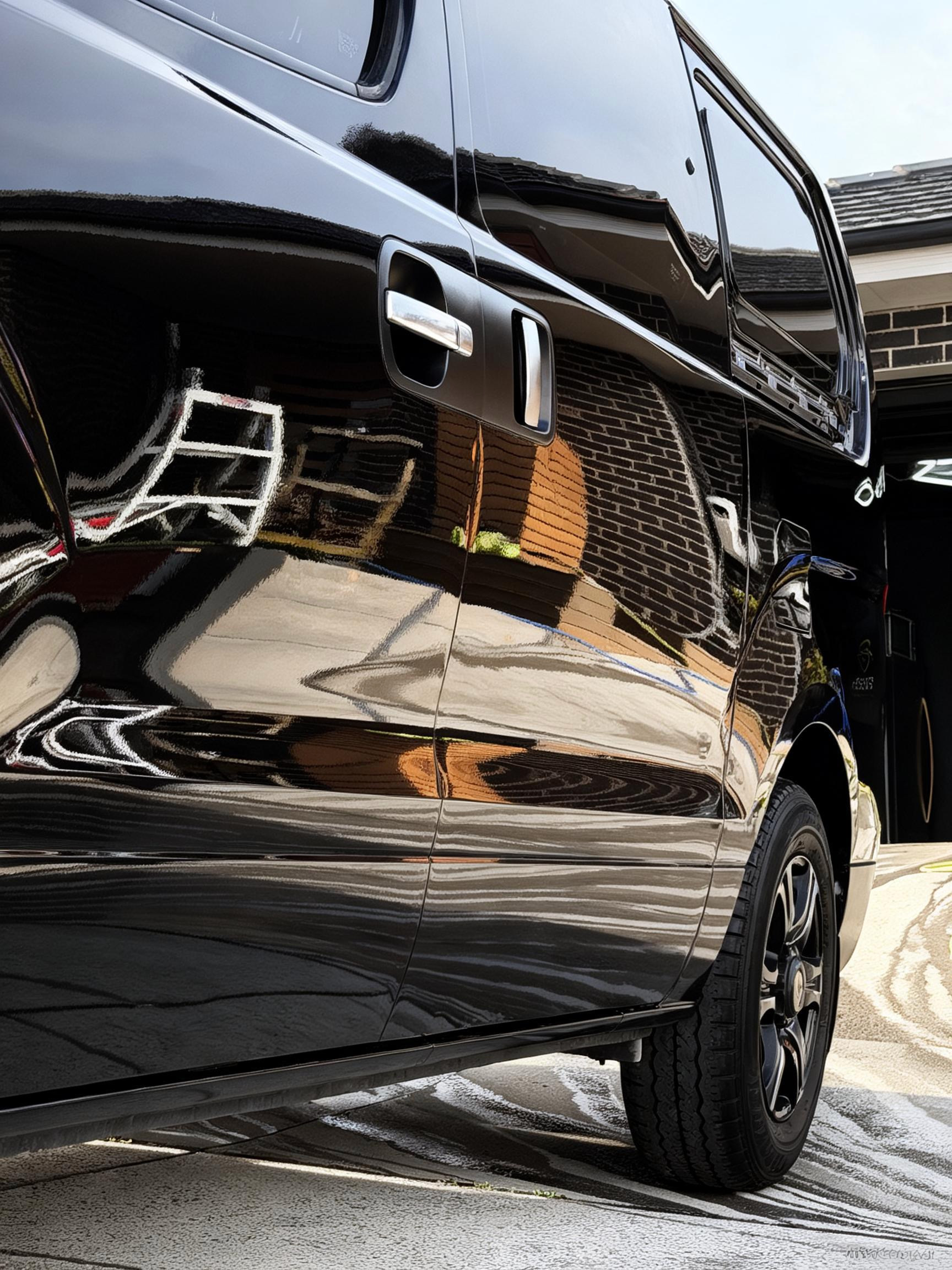


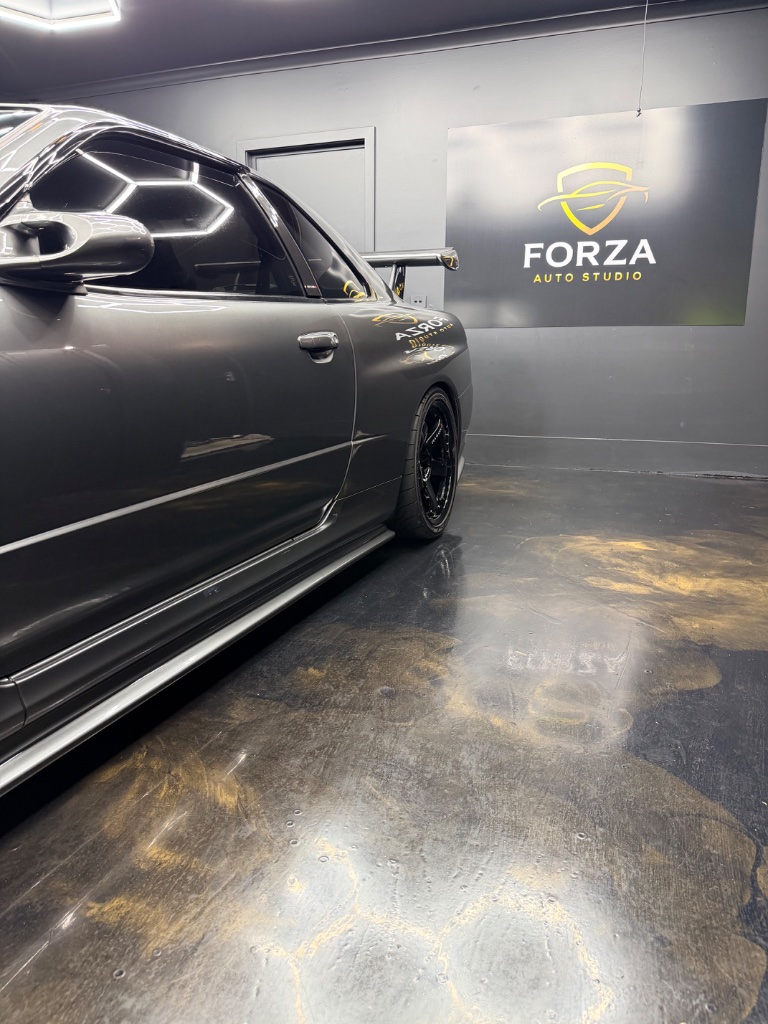
A new vehicle can look immaculate under the handover lights, yet its paintwork may already carry light wash marring, transport film residue, water spotting or fine scratches. This new car protection guide is designed to help owners make considered decisions early, while the vehicle is still in its best possible condition and straightforward to preserve.
New does not automatically mean protected. Factory paint needs time to cure before delivery, but by the time a vehicle reaches its owner it has usually passed through transport, storage, dealership preparation and its first washes. None of this means there is a problem with the car. It simply means protection should begin with an honest inspection rather than an assumption.
Why protecting a new car starts with inspection
The right protection plan depends on the paint’s condition, how the vehicle will be used and what matters most to its owner. A weekend performance car stored indoors has different demands to a daily-driven SUV parked outside in Canberra’s intense sun, exposed to rain, dust and mineral-rich water.
An inspection under proper lighting reveals what casual viewing cannot. Fine swirl marks can soften reflections. Isolated scratches and dealer-applied dressings can distract from the paint’s true clarity. Contamination can sit on paint, glass and wheels, while water spots may have begun to mark exterior surfaces. Identifying these details allows the work to be proportionate.
For some vehicles, a careful decontamination and gloss enhancement is all that is required before protection. Others benefit from a light paint correction to refine wash-induced marring and restore sharper gloss, clarity and depth. More extensive correction is not automatically better. Paint correction removes a measured amount of clear coat, so it should always be carried out with a clear purpose and only where it provides genuine value.
The new car protection guide: the right order of work
Protection performs best when it is applied to properly prepared surfaces. Applying a ceramic coating over bonded contamination, water spotting or visible paint defects does not remove those issues. It can make them more noticeable by locking in the appearance beneath.
1. Decontaminate before refining the paint
A thorough wash is the beginning, not the full preparation process. Chemical decontamination targets bonded ferrous particles and other contaminants that regular washing cannot safely remove. A controlled mechanical decontamination may also be appropriate where the paint feels rough to the touch.
This stage produces a cleaner surface for assessment and polishing. It also reduces the risk of dragging contamination across the paint during later steps. Wheels, glass, exterior plastics and lower panels deserve the same attention, as these areas carry much of the road grime a new vehicle encounters from its first kilometres.
2. Correct only what needs correcting
Paint correction is the controlled polishing of paint defects to improve the finish. On a new car, this is commonly a paint enhancement rather than a heavy multi-stage correction. The aim is not to chase an unrealistic idea of flawless paint. It is to safely reduce visible swirl marks, light scratches and haze so the paint presents with the clarity it should have.
Paint thickness readings, paint type and defect severity all influence the approach. Softer clear coats may correct readily but mark more easily. Harder paint can require a different combination of pad, polish and technique. Edges, body lines and complex panels require additional restraint. This is specialist work because a polished finish should look better without compromising long-term paint integrity.
3. Protect each surface for its role
A professional ceramic coating is most valuable as part of a vehicle-preservation routine. Applied to prepared paint, it creates a durable protective layer that improves water behaviour, helps reduce the adhesion of dirt and makes regular washing more manageable. It also adds a crisp, reflective appearance when the paint beneath has been properly refined.
Ceramic coating is not a force field. It will not prevent every stone chip, scratch, impact or water spot, and it does not remove the need for careful washing. Its benefits are practical: contamination is generally easier to release, drying is more efficient and the vehicle is simpler to keep looking consistently clean.
Paint is only one part of the exterior. Wheels collect heat, brake dust and road film, so a dedicated wheel coating can make cleaning less labour-intensive. Glass protection can improve wet-weather visibility by encouraging water to move from the windscreen at speed, although wipers and regular glass cleaning still matter. Exterior plastic protection helps maintain a more even appearance on trim that can otherwise fade or stain over time.
4. Do not overlook the interior
A new interior benefits from protection before it begins carrying the evidence of daily use. Leather, fabric, carpets and mats can be treated according to their material and intended use. The goal is to make spills, dust and general grime easier to manage, not to alter the natural look or feel of the cabin.
For families, pets, commuting and weekend travel, this can be one of the most useful parts of a new-car preservation plan. Attention to high-contact areas such as steering wheels, driver’s seats, door trims and boot carpets helps the cabin continue to match the standard of the exterior.
Choosing protection around how you use the vehicle
There is no universal package that suits every new car. A black European sedan used as a daily driver may benefit from a paint enhancement, ceramic coating, wheel protection and a defined maintenance routine. A garaged classic used occasionally may place greater value on careful correction, paint preservation and safe periodic inspections. A family SUV may warrant interior protection and simple washing guidance just as much as exterior gloss enhancement.
Parking conditions matter. Vehicles kept outdoors face more UV exposure, bird droppings, tree sap and environmental fallout. Frequent highway use introduces more bugs, grime and stone-chip risk. If the car is regularly washed at home, the owner’s technique and available equipment should influence the recommendation. A coating can assist with maintenance, but it cannot compensate for abrasive wash media or rushed drying.
This is why inspection-led recommendations are more useful than fixed promises. The best outcome comes from matching the level of preparation and protection to the vehicle’s condition and its real-world future.
How to maintain a protected new car
The first wash after protection often sets the pattern for the months ahead. Wash in a shaded, cool area where possible, using clean wash media and a pH-neutral shampoo suited to coated surfaces. Pre-rinse thoroughly to remove loose grit before making contact with the paint. Work panel by panel and use straight, controlled passes rather than heavy pressure.
Drying deserves equal care. A quality drying towel and suitable drying aid reduce friction and help avoid the fine marring that slowly dulls gloss. Avoid allowing water to bake onto the paint, glass or trim, particularly through warmer Canberra periods when mineral deposits can become more difficult to remove.
Automatic brush washes are best avoided where preserving a refined finish is the priority. Their brushes can hold contamination from previous vehicles and introduce swirl marks over time. Touchless washing is less abrasive but may not fully remove road film, so it works best as an interim clean rather than the only method of maintenance.
Contaminants should be addressed promptly. Bird droppings, insect residue, tree sap and fresh water spots are easier to remove before heat and time allow them to bond or etch. Use a dedicated, clean cloth and an appropriate surface-safe cleaner rather than rubbing at dry contamination.
When a coating needs attention
Water beading alone is not a complete measure of coating health. Hydrophobic behaviour can be reduced by a layer of road film, mineral deposits or traffic residue sitting on the surface. A proper maintenance wash and periodic decontamination can often restore the coating’s intended behaviour without unnecessary reapplication.
Likewise, a ceramic-coated vehicle can still develop scratches or paint defects if it is washed poorly or encounters physical contact. When this happens, the correct response depends on the defect. Some marks may be safely refined and the affected area reprotected; others may sit too deep for complete removal. Assessment should always come before a correction decision.
At Forza Auto Studio, each vehicle is considered individually, including the finish already present, its use and the owner’s expectations. Ongoing specialist maintenance is not about repeatedly selling treatments. It is about checking that the vehicle remains clean, protected and enjoyable to own.
The best time to establish a preservation routine is when the car still feels new, because every careful wash, timely clean-up and measured protective step helps keep that original clarity visible for longer.