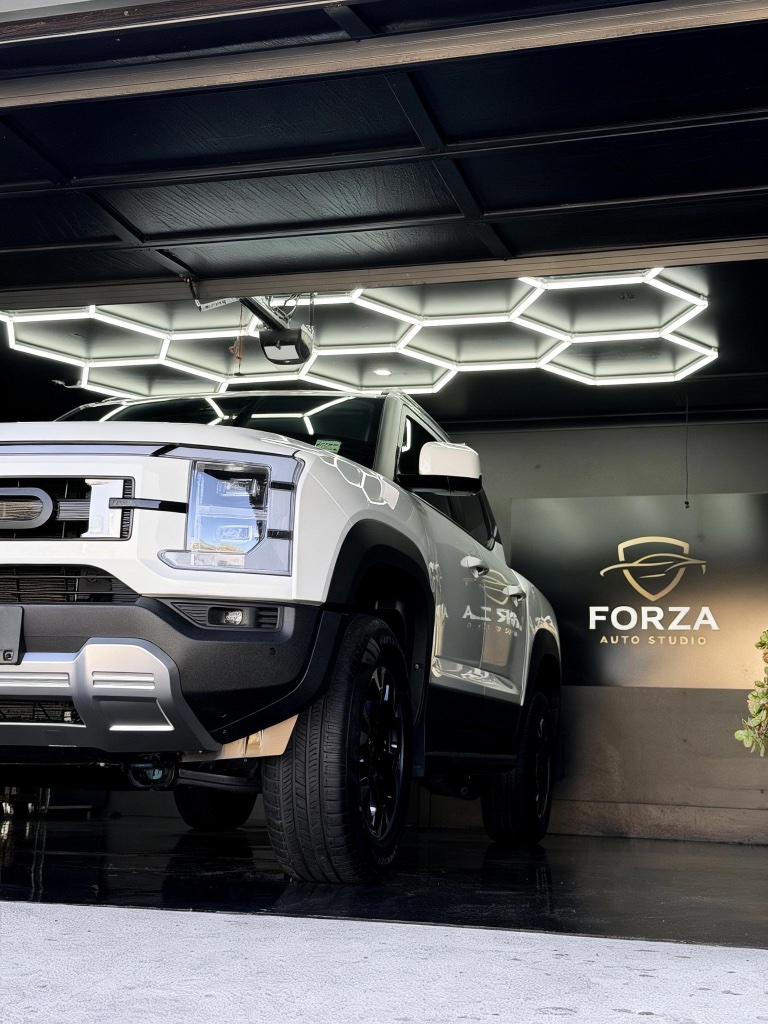

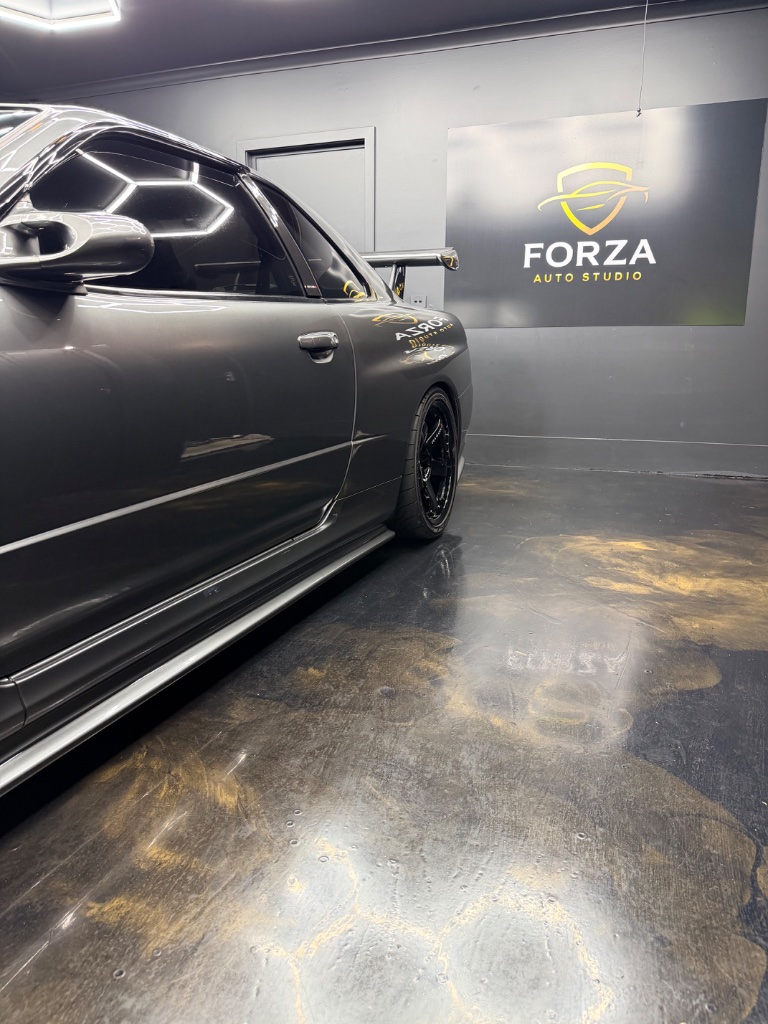
A vehicle can be freshly washed and still look tired under direct sun. Fine swirl marks soften reflections, wash marring creates a hazy appearance, and isolated scratches interrupt what should be a clean, deep finish. Paint correction is the disciplined process of reducing those visible defects so the paintwork regains its clarity, gloss and depth.
It is not a quick polish applied to every car in the same way. Effective correction begins with understanding the individual vehicle: its paint condition, paint system, previous work, use patterns and the outcome the owner wants to preserve. For an enthusiast vehicle, that may mean chasing exceptional clarity for weekend use. For a well-kept daily driver, it may mean restoring a refined finish that remains practical to maintain.
What Paint Correction Actually Changes
Most modern vehicles have a clear coat over the coloured base coat. Swirl marks, light scratches and wash marring are often irregularities in that upper clear coat. They scatter light rather than reflecting it cleanly, which is why paint can appear grey, flat or cloudy even when it is technically clean.
Paint correction uses machine polishing, matched pads and carefully selected abrasive compounds to level the surface around those fine defects. This reduces their visibility and allows light to reflect more evenly. The difference is not merely extra shine. Corrected paint has sharper reflections, richer colour and a more defined surface character.
The process can address a wide range of defects, including light swirls, towel marks, mild oxidation, water-spot staining, machine trails and many shallow scratches. However, correction has limits. A scratch that catches a fingernail may be too deep to remove safely, particularly if it extends through the clear coat. Stone chips, failed clear coat, severe chemical etching and poor previous repairs require an honest assessment rather than an unrealistic promise.
This distinction matters because paint is finite. The objective is not to remove every mark at any cost. It is to achieve the strongest safe improvement while retaining sufficient clear coat for the vehicle’s future.
Why Inspection Comes Before Paint Correction
A proper result begins well before a polishing machine is switched on. The vehicle first needs a controlled inspection under appropriate lighting, where defects can be identified rather than hidden by fillers or showroom lighting. Paint depth readings can help establish whether panels have been repainted, previously polished heavily or repaired at some stage.
The preparation stage is equally important. Road film, embedded iron fallout, tar, old dressings and bonded contamination can interfere with polishing and disguise the true condition of the finish. A thorough wash and decontamination process creates a clean surface that can be assessed accurately.
From there, a test section is developed. This is where the correction approach is proven on the actual paint, not assumed from the badge on the bonnet. Paint hardness varies between manufacturers, panels and repaint work. A combination that achieves excellent refinement on one car may be too aggressive, too mild or leave a different finish on another.
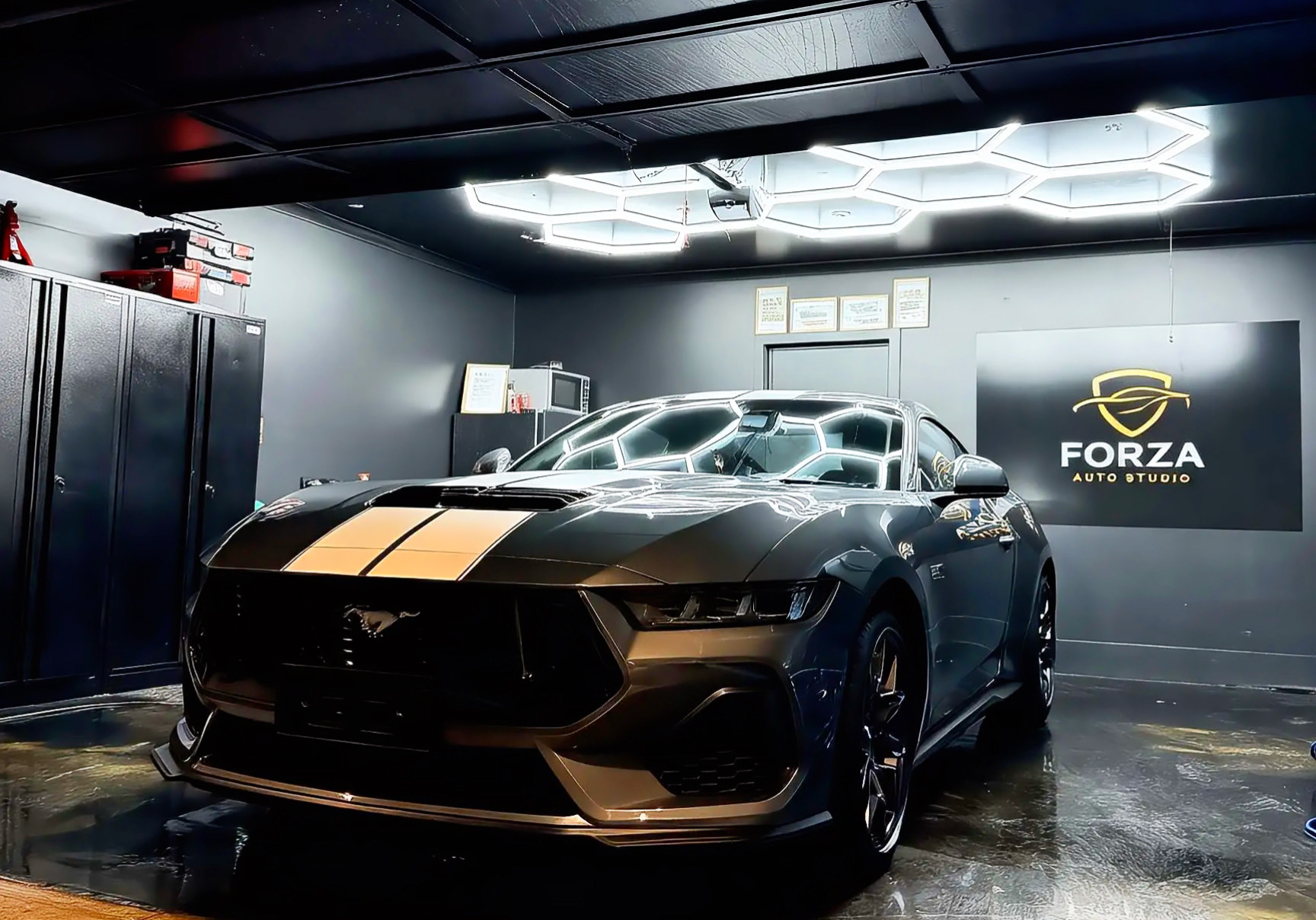
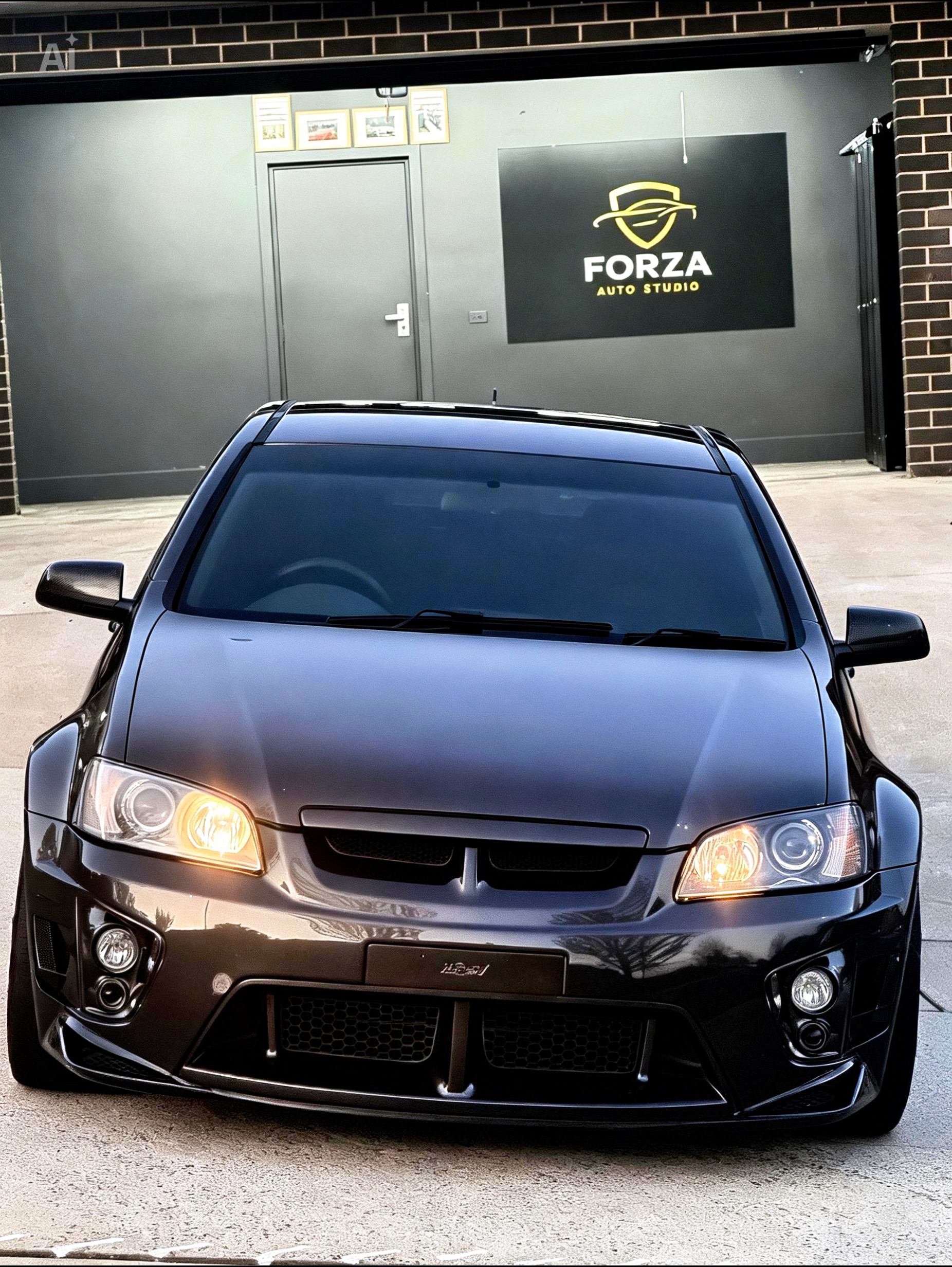
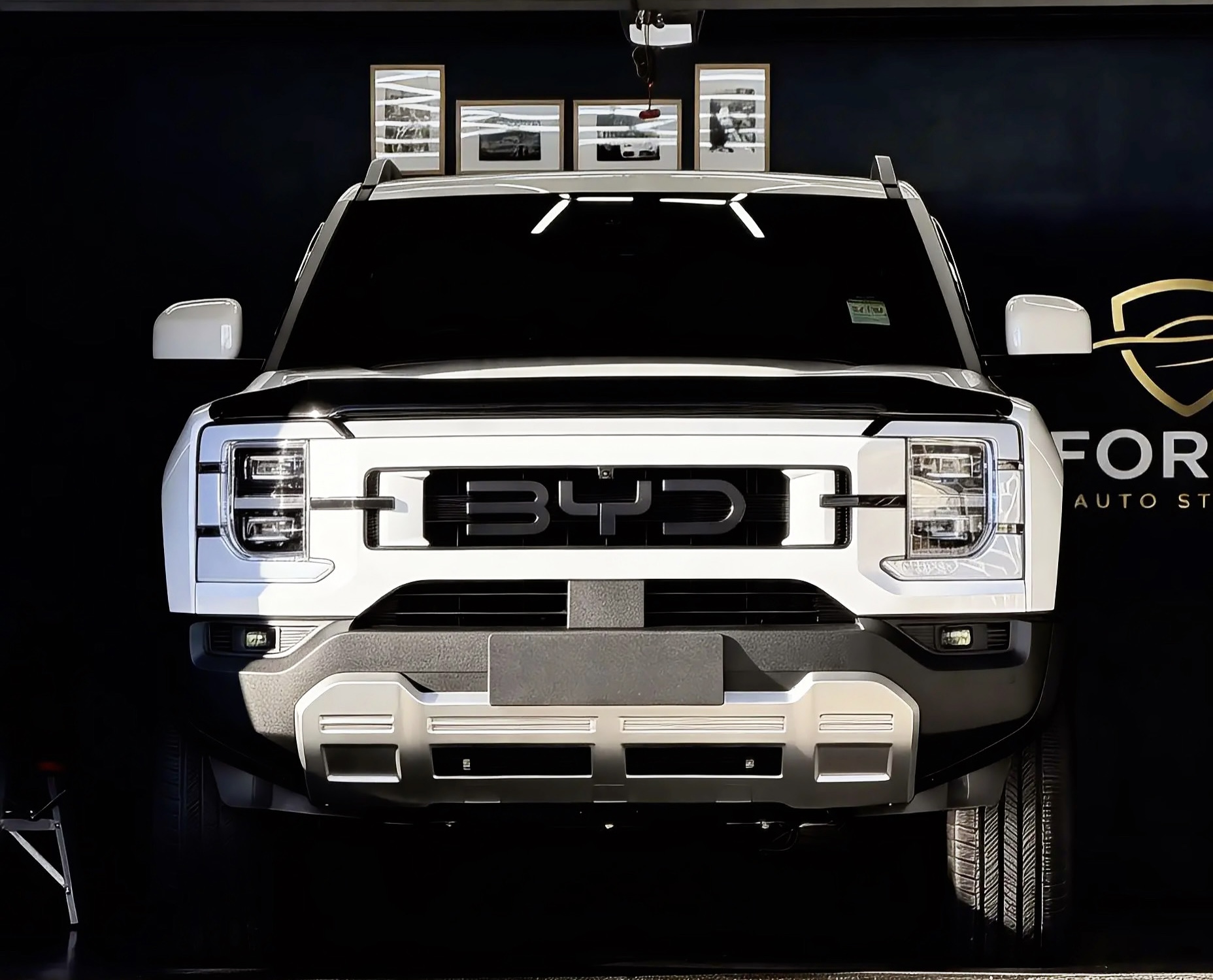
At Forza Auto Studio, this inspection-led approach supports tailored recommendations rather than a fixed package of steps. It allows PJ to establish what the paint can safely deliver and where effort will make the most visible difference.
Correction is measured, not rushed
A single-stage polish may substantially improve a lightly marked vehicle while retaining a conservative approach to paint removal. A more involved multi-stage correction can be appropriate where defects are more extensive and a higher level of refinement is desired.
Neither option is automatically better. The right level depends on the vehicle’s condition, its paint history and how it will be used afterwards. A cherished performance car stored indoors may warrant a different target to a daily driver that faces commuting, shopping-centre car parks and regular exposure to Canberra’s dry dust, strong UV and changing seasons.
The quality of the final finish also relies on refinement. Cutting back heavier defects without properly refining the surface can leave haze, holograms or a finish that looks disappointing once it leaves controlled lighting. Each polishing stage must be checked as it progresses, with panels wiped down and inspected to confirm genuine correction rather than temporary masking.
What Paint Correction Cannot Do
Paint correction is highly effective, but it is not paint repair. It cannot replace missing paint from a chip, reverse peeling clear coat or make a deep gouge disappear without compromise. In some cases, reducing the sharp edges of a deep scratch can make it less noticeable while avoiding unnecessary removal of surrounding clear coat. That can be the smarter preservation decision.
It also cannot permanently defend a corrected finish on its own. Once the paint is clear and refined, it is more rewarding to look after, but it remains exposed to wash-induced marring, bird droppings, mineral deposits, tree sap and environmental fallout.
A professional ceramic coating can provide a durable protective layer over corrected paintwork, improving chemical resistance, water behaviour and ease of washing. It does not make a car scratch-proof, and it should not be used as a substitute for correcting visible defects first. Coating over swirls locks in the appearance beneath it. Correcting first ensures the protection is applied over a finish worth preserving.
The Difference Is Most Visible in Daily Use
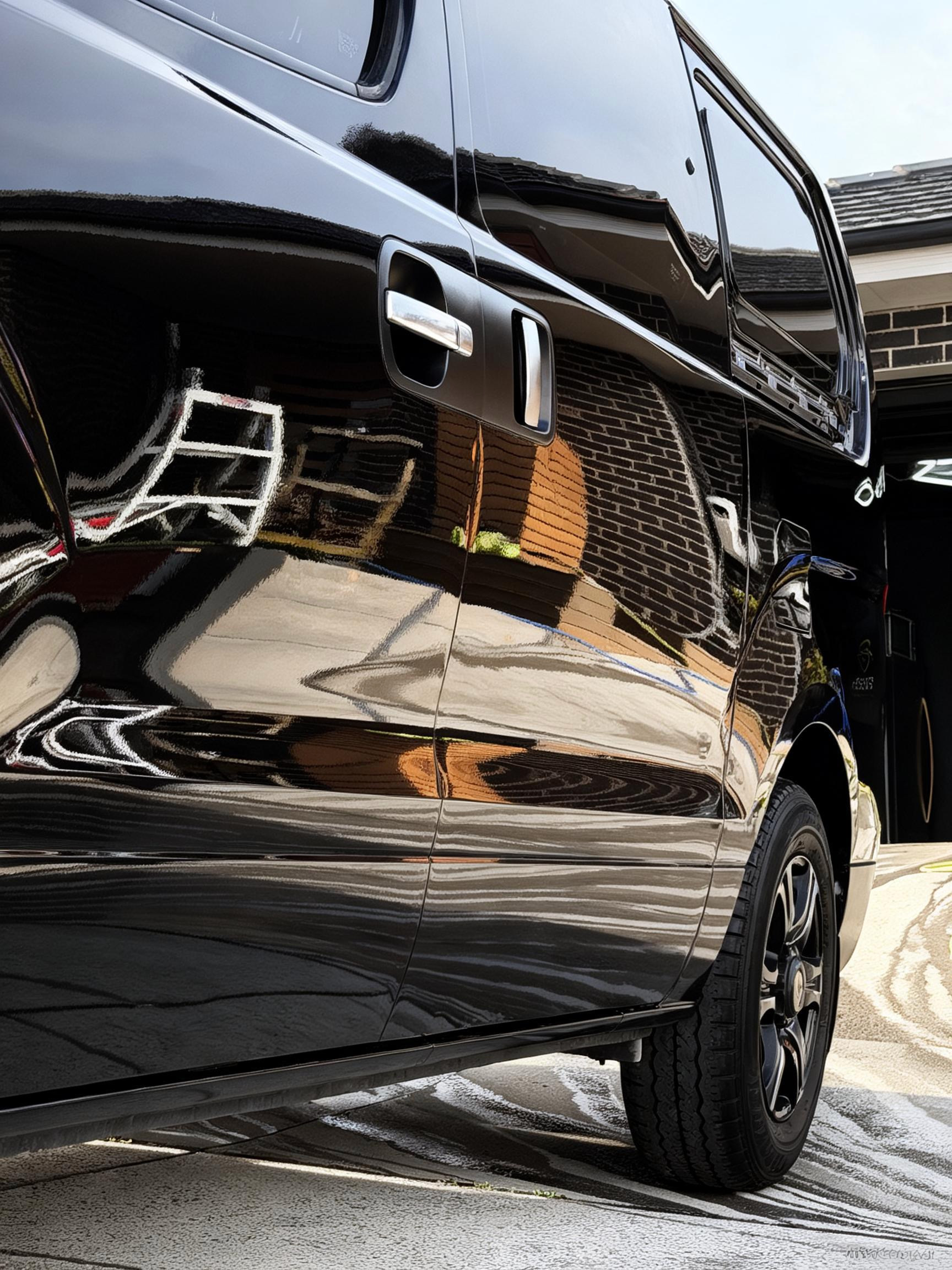
Owners often expect correction to be most noticeable on a sunny day, and it certainly is. Direct light reveals the absence of swirls and brings out the depth in darker colours. Yet the more lasting change is often seen in ordinary moments: the clean reflection along a garage wall, the crispness of a metallic flake, or the way the car looks after a careful maintenance wash rather than only after a major detail.
On white and silver vehicles, correction can restore a cleaner, brighter appearance by reducing dullness and staining. On black, dark blue and deep red paint, the improvement can be particularly dramatic because those colours reveal every defect and reward every refined panel. Metallic and pearl finishes gain sharper definition as light moves across the bodywork.
This is also where correction supports long-term vehicle preservation. A finish that is properly cleaned, refined and protected is easier to monitor. New damage is easier to identify, contaminants are less likely to remain unnoticed, and maintenance becomes less dependent on aggressive cleaning methods.
Maintaining Corrected Paintwork
The first wash after correction sets the tone for everything that follows. Poor wash habits can gradually reintroduce the very marring that was removed. Use clean, quality wash media, a pH-neutral shampoo suited to the protection on the vehicle, and generous lubrication. Avoid automatic brush washes, as their accumulated grime and stiff contact points can mark even a freshly corrected surface.
Drying deserves the same care. A clean, dedicated microfibre drying towel and a light touch are far safer than rubbing a neglected chamois across the paint. Bird droppings, bug residue and fresh tree sap should be removed promptly, particularly during warmer periods when they can etch into the surface.
For owners who want the finish to remain at its best without managing every maintenance detail themselves, regular specialist care provides consistency. A structured preservation programme can inspect the coating’s performance, remove accumulated contamination safely and maintain the presentation established during correction.
When Is the Right Time to Correct Paint?
There is value in addressing paint defects before they become accepted as normal. A new vehicle may arrive with transport marks, dealership wash marring or contamination that prevents the finish from looking as it should. A pre-owned purchase can benefit from a reset that removes the visual evidence of previous maintenance habits. An older, well-loved vehicle may need correction to restore pride of ownership before protection is applied.
The best time is when the vehicle’s condition, intended use and maintenance plan can be considered together. Paint correction should not be treated as a one-off cosmetic gesture. Done thoughtfully, it is the point where a vehicle moves from being merely clean to being properly preserved - with a finish that continues to reward careful ownership.