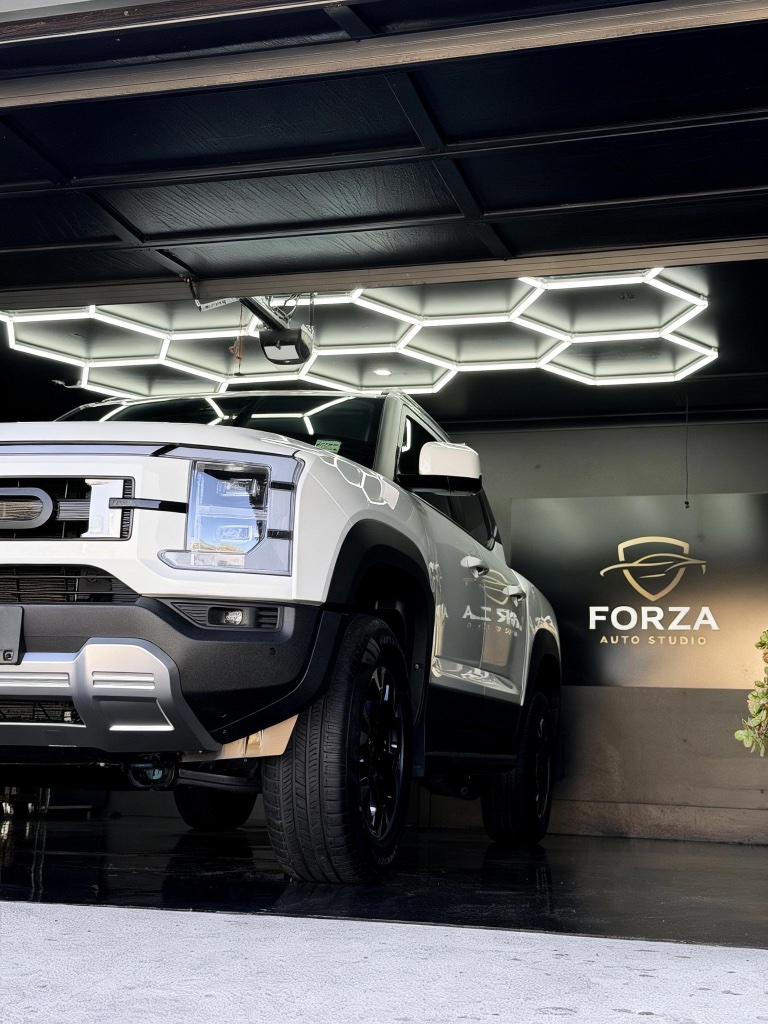

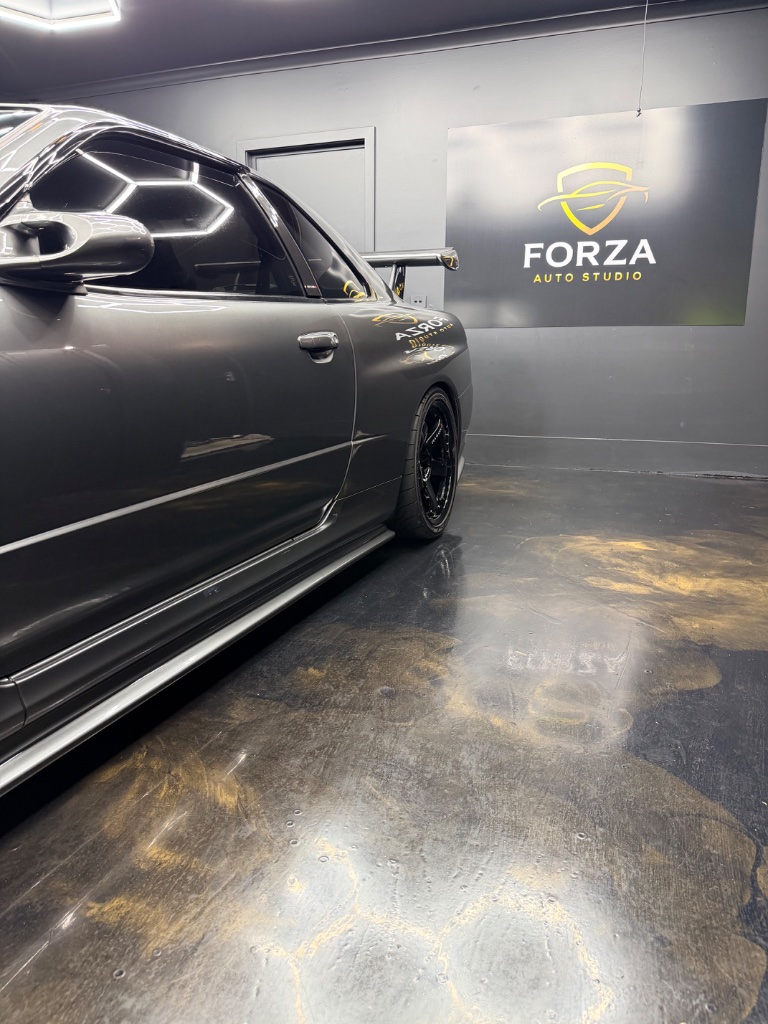
A sharp bonnet under direct Canberra sunlight can reveal more about a vehicle’s paintwork than a quick wash ever will. Swirl marks, water spotting, random scratches and faded gloss often lead owners to ask about paint correction versus respray. They are very different solutions, and choosing the right one comes down to a careful assessment of the defect, the remaining paint thickness and the condition you want to preserve.
Paint correction is often the more conservative option because it retains the vehicle’s original finish wherever it is safe to do so. A respray has its place, particularly where paint has failed or damage runs too deep, but it is not automatically the better answer to every visible blemish.
Paint correction versus respray: the core difference
Paint correction is the controlled refinement of the vehicle’s existing clear coat. Using suitable machine polishing techniques, abrasives and pads, a specialist levels a very small amount of clear coat around surface-level defects. This reduces their visibility and restores clarity, depth and gloss.
A respray involves repainting a panel, or sometimes a larger area, with new colour and clear coat. It may be required when the original paint is compromised beyond what polishing can safely improve. Stone-chip damage, peeling clear coat, corrosion, previous poor repairs and deep scratches that extend through the paint are common examples.
Neither process should be treated as a default package. The right decision is inspection-led. It depends on what has happened to the paint, what remains on the panel, how the vehicle is used and how closely the owner wishes to preserve original finishes.
When paint correction is the appropriate approach
Most modern vehicles accumulate visible paint defects through normal use rather than a single serious incident. Automatic car washes, incorrect wash techniques, dry wiping, poor dealership preparation and regular exposure to Canberra’s changing conditions can leave fine scratches and dullness across otherwise healthy paint.
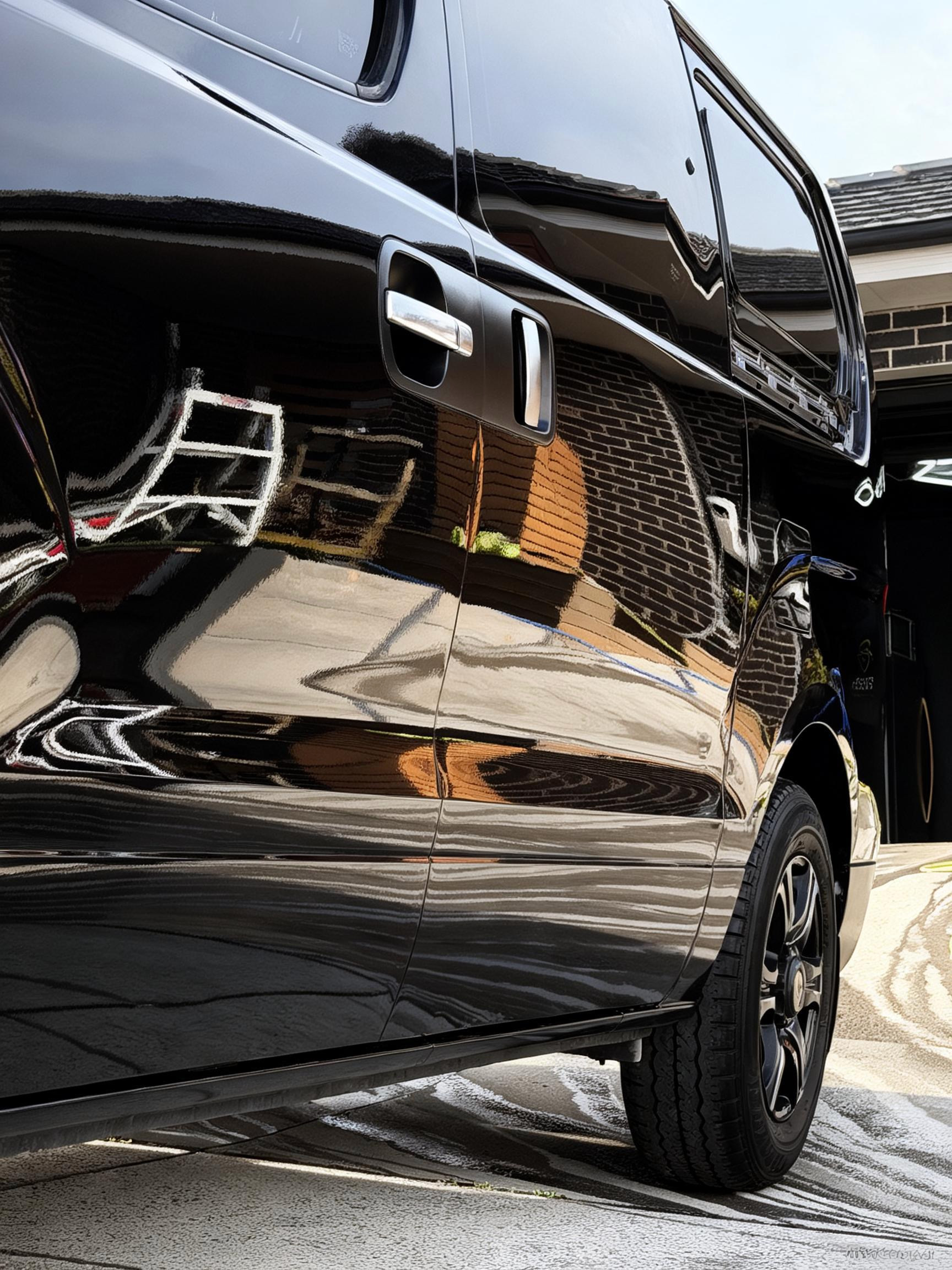
These defects are commonly within the clear coat. They scatter light rather than allowing it to reflect cleanly, which is why a dark vehicle can look hazy or grey despite being freshly washed. Paint correction can significantly reduce this marring, improving the way the paint reflects light without introducing new paint to the vehicle.
Defects that may respond well to correction
Swirl marks, light wash marring, mild oxidation, water-spot etching and superficial scratches can often be improved through paint correction. The same applies to transfer marks, such as a light rub from another surface, provided the vehicle’s own paint has not been penetrated.
The word “improved” matters. A responsible correction process is not about chasing every mark at any cost. Clear coat is finite. On a well-maintained newer vehicle, a paint enhancement may be the right level of refinement. On an enthusiast car with more pronounced defects and sufficient paint readings, a multi-stage paint correction may be justified.
At Forza Auto Studio, the objective is to restore gloss, clarity and depth while respecting the condition of the paint. That can mean leaving the occasional deeper isolated scratch rather than removing excessive clear coat simply to pursue an unrealistic result.
Why original paint is worth preserving
Factory paint is generally consistent in application and remains part of a vehicle’s originality. This can be particularly relevant on prestige, performance and classic vehicles, but it also matters for a well-kept daily driver. Retaining original paint where practical supports long-term vehicle preservation and avoids refinishing a panel that may not need it.
Corrected paint can also be protected with a suitable ceramic coating. A coating does not replace careful washing or make a car immune to scratches, but it can support easier maintenance, improve water behaviour and help keep the freshly refined finish looking cleaner between washes.
When a respray is the better answer
Paint correction cannot restore missing paint. If a scratch catches a fingernail, it may extend beyond the clear coat and into the colour layer or primer. While correction can soften the edges and reduce the visual impact in some cases, it cannot replace material that is no longer there.
A respray may be the appropriate path where there is peeling or delaminating clear coat, corrosion, severe stone chipping, exposed primer, previous body repairs, deep key marks or cracking paint. These are repair issues first, not detailing issues.
There are also situations where a panel has been polished repeatedly in the past and has limited clear coat remaining. Further correction may not be a responsible option, even if surface defects are still visible. Paint depth readings, visual inspection and an understanding of the panel’s repair history help guide this judgement.
A respray brings its own considerations
A quality repaint can return a damaged panel to a presentable, protected condition. However, it requires colour matching, blending where necessary and appropriate curing before the fresh finish should be polished or coated. The result depends on the repair process as well as the age, condition and colour of the surrounding paint.
Fresh paint may also differ subtly from neighbouring panels in certain light. Metallic and pearl colours can be particularly complex. This does not mean a respray should be avoided when it is necessary, only that it should be chosen for the right reason rather than as a broad response to ordinary paint defects.
Once the repaired area has fully cured according to the refinisher’s guidance, paint correction may still play a role. The surrounding original paint can be refined so its gloss and clarity better align with the repaired section, followed by protection appropriate to the vehicle’s needs.
How an inspection determines the right path
The starting point should be more than a glance in the driveway. Proper assessment involves examining the paint under suitable lighting, identifying whether defects sit in the clear coat or below it, and checking paint thickness across relevant panels.
Paint readings can indicate variations that may point to previous refinishing, though they are only one part of the picture. A panel can have healthy readings yet still have a defect that is too deep to correct. Conversely, a vehicle with widespread swirls may require only a modest paint enhancement if the owner wants a noticeable improvement while retaining a conservative approach.
The intended use of the vehicle also matters. A weekend car, a regularly driven European sedan and a classic kept for special occasions may each call for different decisions. Owners who value original paint and careful preservation may accept a small number of remaining deeper marks. Others may prioritise repairing a particular panel that distracts from an otherwise excellent vehicle.
Common assumptions worth avoiding
One assumption is that polishing removes large amounts of paint. In skilled hands, correction is measured and tailored to the defects present. Another is that every scratch can be polished away. If the damage reaches through the clear coat, correction has limits.
It is also easy to assume that new paint will always look better than corrected original paint. A fresh respray can be the correct repair, but healthy original paint with refined gloss often remains the preferable finish to preserve. The decision is not about choosing the more dramatic process. It is about choosing the least invasive method that delivers a sound, honest result.
Protecting the result after correction or repair
Whether a vehicle receives paint correction, a repaired and repainted panel, or a combination of both, ongoing care determines how well the finish holds its presentation. Thorough decontamination before polishing removes bonded contamination that can interfere with the refinement process. Afterwards, appropriate protection and careful wash practices reduce the likelihood of quickly reintroducing swirl marks.
A ceramic coating can be a considered addition once paint is in suitable condition. It is particularly useful for owners who want easier routine cleaning and a more consistent maintenance approach. Wheels, glass and exterior plastics can also be protected where that suits the vehicle’s use and storage conditions.
The most valuable outcome is not a paintwork decision made quickly under showroom lights. It is a vehicle assessed honestly, repaired only where necessary, and preserved with enough care that its finish continues to look right each time you walk back to it.