


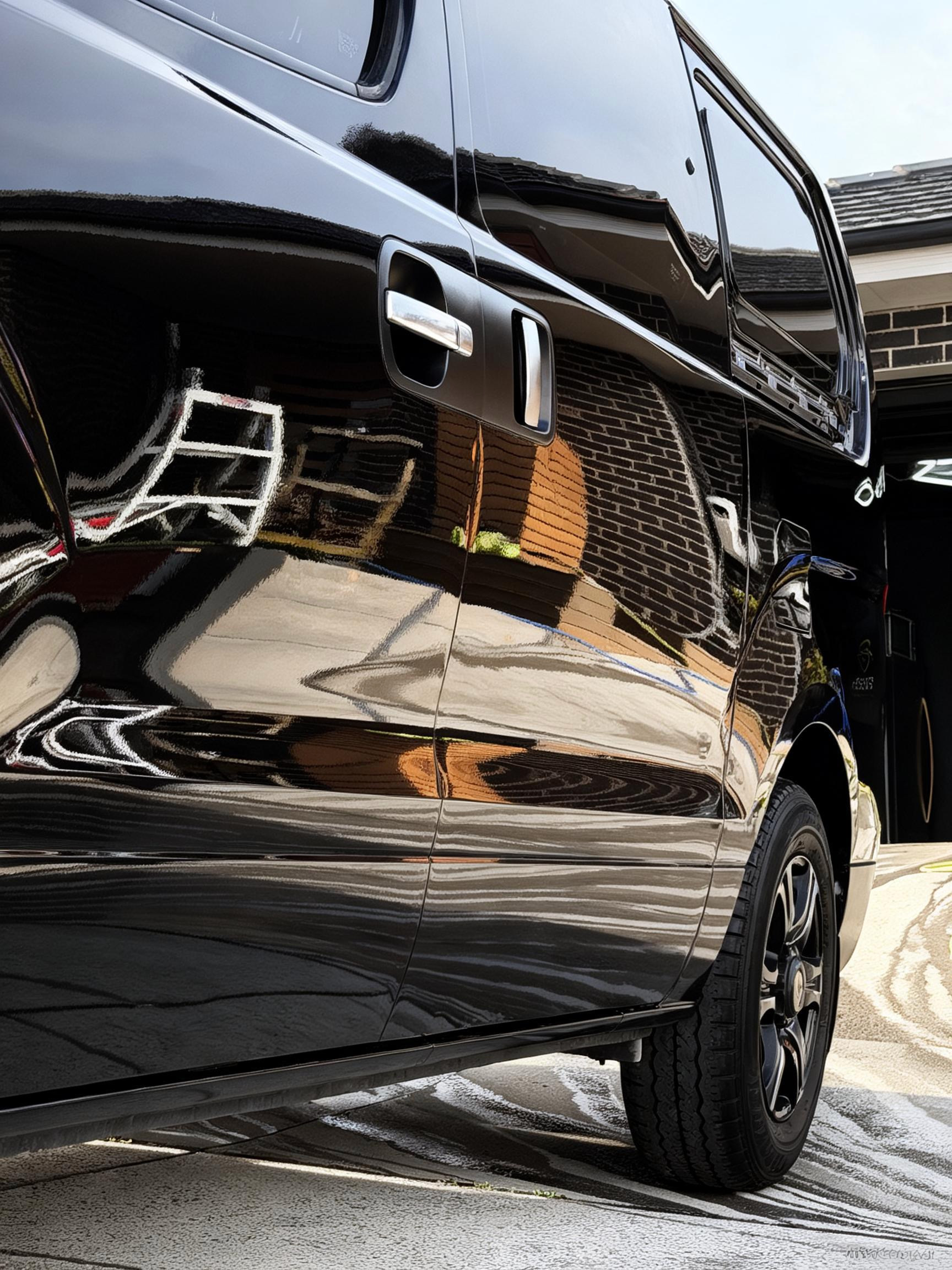


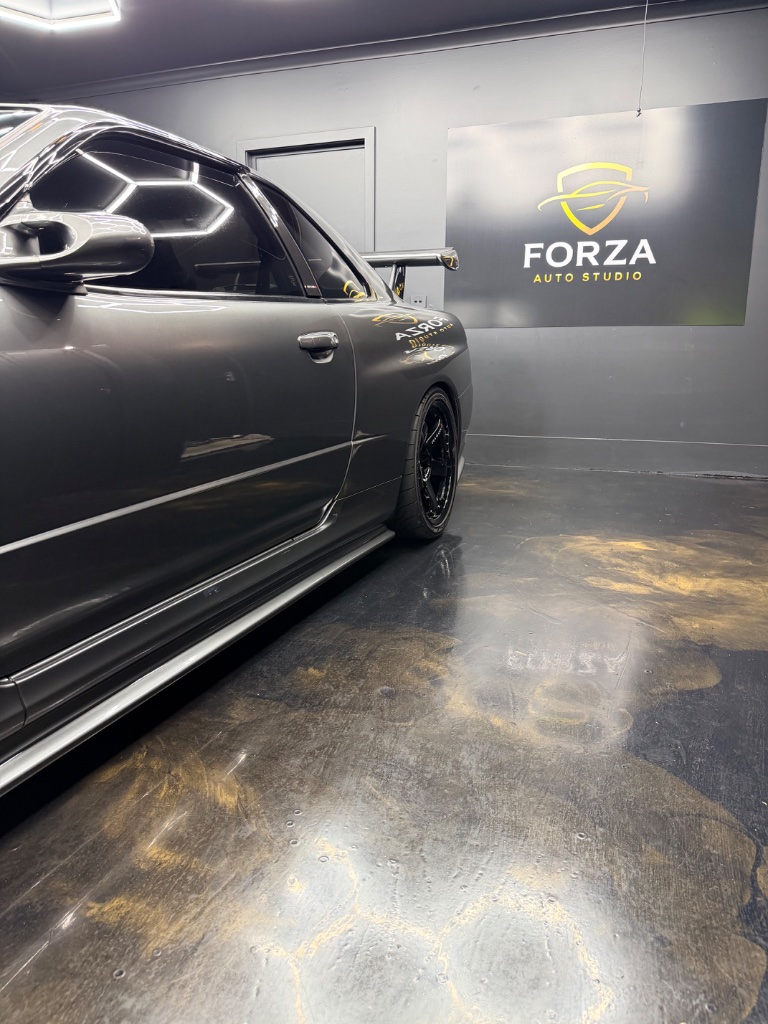
A vehicle can be clean, freshly washed and still look tired in direct sunlight. Paint defects are often the reason. Fine swirl marks, isolated scratches, water spotting and bonded contamination interrupt the way light reflects from the surface, reducing the clarity, depth and gloss that make paintwork look properly cared for.
The right response is not always the most aggressive one. Effective paint correction begins with understanding the defect, the available paint thickness and how the vehicle is used. The aim is to improve the finish safely, preserve as much clear coat as practical and leave the vehicle easier to maintain over time.
What paint defects actually are
Most modern vehicles are finished with a colour coat protected by a clear coat. It is this upper clear layer that provides much of the gloss and is where many visible defects sit. When the surface is smooth and level, light reflects evenly and the paint appears crisp. When it is marked, stained or uneven, reflections become distorted.
Not every imperfection is a scratch, and not every scratch can be fully removed. Some defects sit on or within the clear coat and can respond well to correction. Others may extend beyond it, exposing colour coat, primer or bare metal. Those require a different conversation, often involving touch-up or paint repair rather than machine polishing alone.
An inspection-led approach separates what can be improved from what should be preserved. That distinction matters, particularly on enthusiast, classic and softer-painted vehicles where unnecessary correction can reduce valuable clear-coat thickness.
Common paint defects seen on well-kept vehicles
Swirl marks and wash marring
Swirl marks are the fine, circular-looking scratches commonly revealed under sun or workshop lighting. Despite the name, they are not always circular. Their appearance depends on the way the vehicle has been washed, dried or wiped down.
Wash marring is usually caused by friction between the paint and fine dirt or dry towels. Even a vehicle that is washed regularly can develop it if the process does not remove contamination safely before contact. On darker colours, these marks can quickly make an otherwise clean car look hazy.
Random deeper scratches
Random isolated deep scratches are different from general wash marring. They may come from bags brushing against a door, fingernails behind handles, branches, pets, loading the boot or everyday use around the garage.
A useful visual check is whether the scratch catches a fingernail. This is not a definitive test, but a mark that can be felt is less likely to disappear completely through paint correction. It may still be softened significantly, making it far less noticeable without taking an unreasonable amount of paint from the surrounding area.
Water spots and mineral etching
Water spots are particularly relevant in Canberra and surrounding NSW, where a vehicle may be left outside after rain, irrigation overspray or washing. As water evaporates, minerals can remain on the surface. Initially, these deposits may be removable during decontamination. Left for longer, they can etch into the clear coat and require correction to reduce their appearance.
The severity depends on the water source, temperature, sunlight and how long the vehicle was left before being washed. A ceramic coating can make routine washing easier and help reduce the likelihood of bonded deposits, but it does not make a vehicle immune to water spotting.
Oxidation, dullness and staining
Oxidation is more commonly associated with older single-stage paint, but ageing clear coats can also lose clarity and gloss through UV exposure, contamination and neglected maintenance. White, red and solid-colour vehicles can show this in different ways, from a chalky appearance to a finish that lacks depth even after washing.
Industrial fallout, tree sap, bird droppings and insect residue can also stain paint if left in place. These contaminants should be removed promptly and carefully. Polishing may improve residual marks, but the first priority is preventing further chemical damage or unnecessary abrasion during removal.
Holograms and poor finishing marks
Holograms are machine-polishing trails that become visible under strong point-source lighting or sunlight. They can create an oily, three-dimensional pattern across the paint. Unlike a deliberate gloss enhancement, they do not represent a properly refined finish.
A correction process should include a finishing stage suited to the paint system, followed by appropriate inspection. This is why a vehicle can look impressive indoors yet reveal defects once it is outside. Proper assessment needs more than one type of light.
Why identifying the defect comes before correction
Paint correction is the controlled levelling of the clear coat around a defect so that light reflects more evenly. It is a skilled process, not simply applying polish until the paint looks shiny. Different paint systems respond differently, and the same vehicle can have varied paint thickness across panels due to factory application, previous repairs or repainting.
Before correction, the vehicle should be washed and chemically decontaminated to remove traffic film, iron particles and other bonded residue. A clay treatment may be appropriate where remaining surface contamination needs to be removed, but it must be followed by polishing because claying can create light marring.
Paint depth readings, visual assessment and test spots help determine a suitable combination of pad, machine and polish. A softer clear coat may respond quickly to a gentle approach. A harder finish may require more cut before refinement. The best method is the least aggressive process that produces a meaningful improvement.
This is where expectations should remain realistic. Paint correction can dramatically restore gloss, clarity and depth, but it cannot safely erase every deep scratch, stone chip, failing clear coat or previous paint repair. Preserving the paint is more valuable than chasing an artificial idea of perfection.
Choosing the appropriate level of correction
A paint enhancement is often suitable for newer or well-maintained vehicles with light swirl marks, reduced gloss and mild wash marring. It focuses on noticeably improving overall clarity without pursuing every individual defect.
Multi-stage paint correction is more appropriate where defects are heavier, such as widespread marring, pronounced water-spot etching or a finish dulled by years of incorrect washing. This involves a cutting stage to address more substantial defects, followed by refining work to restore gloss and clarity.
The right option depends on the vehicle’s condition and intended use. A daily-driven SUV may benefit from a strong overall improvement and practical protection. A weekend performance car or classic vehicle may justify more detailed refinement, balanced carefully against paint history and long-term preservation. Neither approach is inherently better. The vehicle and its owner’s priorities should lead the recommendation.
Protecting corrected paintwork without overstating it
Once paint defects have been reduced, protection helps preserve the refined finish and makes regular care more straightforward. A professional ceramic coating can increase surface slickness, improve water behaviour and offer chemical resistance that supports easier washing. Coatings may also be applied to wheels, glass and exterior plastics where appropriate.
A coating is not a substitute for maintenance. It will not prevent stone chips, eliminate the risk of scratches or excuse leaving bird droppings and mineral-rich water on the vehicle. Its value is in supporting a disciplined preservation routine, not replacing one.
For some owners, a ceramic coating is the right fit after correction. For others, especially vehicles that are rarely driven or kept indoors, a different protection and maintenance plan may be more suitable. The useful question is not which option sounds strongest, but what will realistically suit the vehicle’s storage, use and wash routine.
Maintenance is where corrected paint stays looking corrected
The weeks after paint correction matter as much as the correction itself. Use clean wash media, avoid wiping dry dust from the paint and pre-rinse thoroughly before contact washing. Dry with quality towels and suitable drying aid rather than allowing mineral-heavy water to evaporate across warm panels.
Regular maintenance also allows contamination, spotting and new defects to be identified before they become more difficult to address. This does not mean treating the car as untouchable. It means using methods that respect the surface you have invested in refining.
For vehicles with ceramic coating protection, periodic specialist maintenance can help assess coating performance, remove contamination safely and keep high-contact areas such as door handles, lower doors and boot lips looking their best. It is a practical part of long-term vehicle preservation, particularly for cars that see regular Canberra weather, road grime and seasonal temperature changes.
A well-corrected finish should still look like your vehicle, just clearer, deeper and more considered in the light. The most satisfying result is not a brief showroom moment, but paintwork that remains enjoyable to look after every time you walk back to it.