



A vehicle can be clean, mechanically sound and still look tired because its paint has lost clarity. What many owners describe as faded paint is often oxidation: a chalky, dull or uneven appearance that softens the colour and hides the depth beneath it. Paint oxidation restoration is the process of assessing that deterioration, safely refining the paint where possible, and protecting the result so the finish is easier to maintain.
It is not simply a matter of applying a glossy dressing or machine polishing every panel as aggressively as possible. The right approach depends on the paint’s condition, its history, the thickness available for correction and whether the deterioration sits on the surface or runs deeper through the clear coat.
What Paint Oxidation Actually Is
Modern vehicle paint is usually made up of a colour coat beneath a clear coat. The clear coat provides gloss and helps protect the colour from UV exposure, moisture, road film and environmental fallout. Over time, sunlight and contaminants can degrade that upper surface. The paint starts to scatter light rather than reflect it cleanly, which is why a once-rich finish can appear flat, greyed or milky.
Oxidation is particularly noticeable on horizontal panels such as bonnets, roofs and boot lids. In Canberra and surrounding NSW, strong UV exposure can accelerate the process, especially where a vehicle is regularly parked outdoors. Dark colours may look hazy and lack definition, while red, black and blue paint can lose the richness that made the vehicle stand out in the first place.
Oxidation is often accompanied by other visible paint defects. Swirl marks from washing, water spotting, embedded contamination and light scratches all interrupt the surface further. Treating only one issue can leave the finish looking inconsistent, so the paint needs to be evaluated as a whole.
Can Oxidised Paint Be Restored?
Often, yes, but restoration has limits. Mild to moderate oxidation that is confined to the outermost portion of the clear coat can usually be improved significantly through professional paint correction. Careful polishing removes a measured amount of compromised paint, revealing a clearer and more reflective surface below.
Severe oxidation is different. If the clear coat has failed, is peeling, has deep cracking or has become permanently cloudy, polishing cannot reverse it. In those cases, correction may improve surrounding areas or make the finish more presentable, but repainting may be the appropriate long-term repair. Honest advice matters here. A glossy result immediately after polishing is not useful if the underlying finish has already reached the end of its serviceable life.
A proper inspection establishes what is realistic before any work begins. This includes examining the paint under controlled lighting, checking for previous repair work, identifying thin or compromised areas and measuring paint depth where appropriate. The aim is not to chase unnecessary correction. It is to restore gloss, clarity and depth while preserving as much healthy paint as possible.
The Paint Oxidation Restoration Process
Paint oxidation restoration starts with preparation, not polishing. Contamination on the surface can imitate or obscure paint defects, and polishing over bonded fallout or gritty residue can create further marks. The vehicle is therefore thoroughly cleaned and decontaminated so the paint can be assessed accurately.
Chemical decontamination helps remove bonded iron particles and other road fallout. Depending on the vehicle’s condition, further mechanical decontamination may be required to leave the surface smooth and ready for correction. This stage also reveals the actual state of the paint. What appeared to be extensive dullness can sometimes be largely contamination, while apparently minor fading may expose deeper clear-coat damage once clean.
From there, a small test area is refined using a suitable pad, polish and machine technique. This test spot is one of the most important parts of the job. It shows how the particular paint responds, how much oxidation and marring can be safely reduced, and what level of gloss enhancement is achievable.
Some vehicles respond well to a paint enhancement, where light oxidation, fine swirl marks and reduced gloss are addressed with a restrained approach. Others need multi-stage paint correction to improve deeper defects and restore stronger clarity. Softer paint, harder European clear coats, older single-stage finishes and previously repaired panels all require different methods. There is no responsible one-size-fits-all combination.
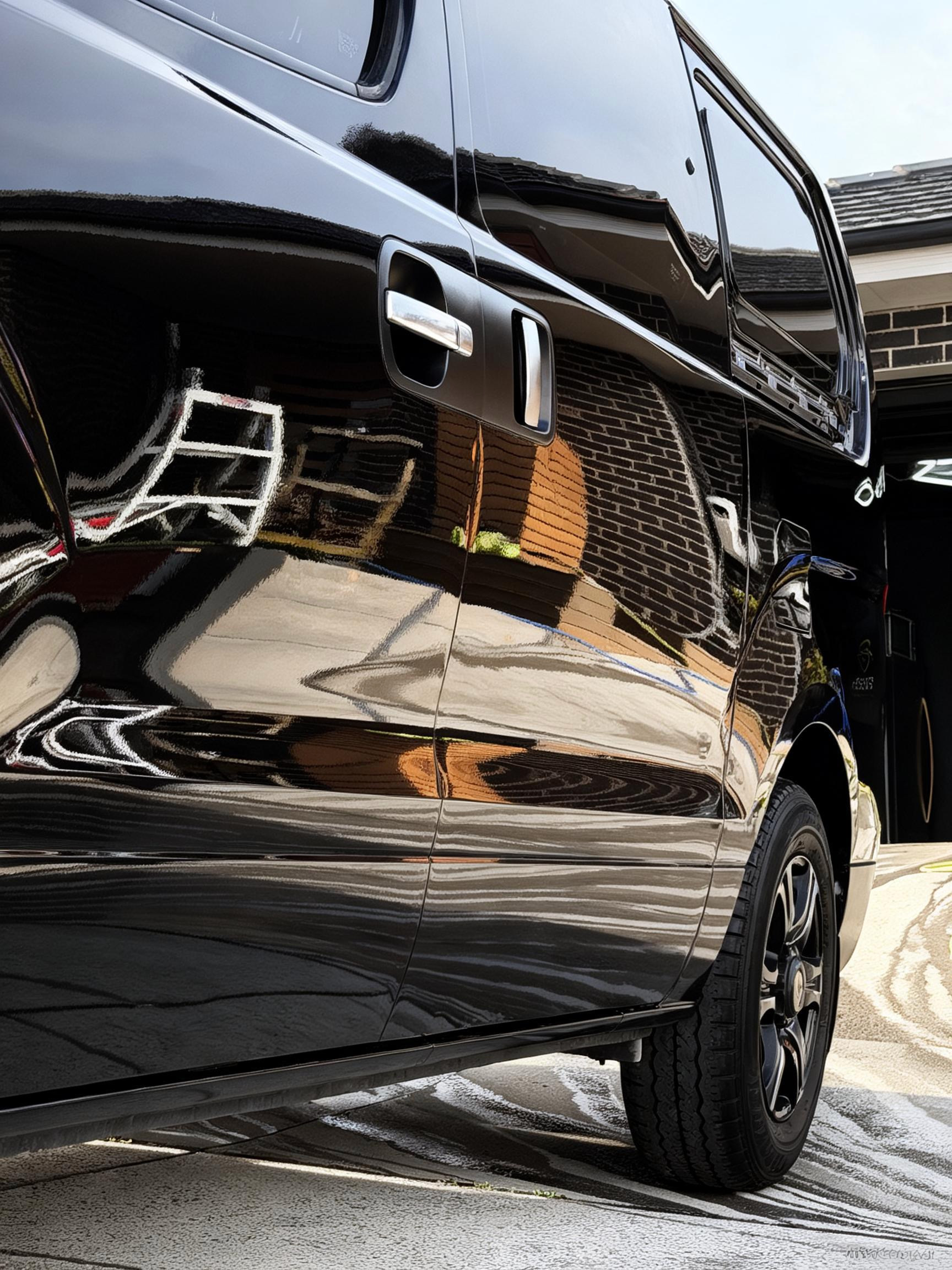
Once the correction work is complete, the finish is inspected panel by panel. The goal is a consistent appearance with improved reflection, colour depth and surface clarity, rather than an artificial shine that disappears after the first wash.
Why Polishing Is Not Always the Answer
Machine polishing is a precise abrasive process. It can transform the appearance of healthy paint, but each correction should have a reason. Repeated heavy polishing to remove every remaining scratch may not be the best decision for a daily-driven vehicle or an older original finish.
A sensible restoration balances visual improvement with long-term vehicle preservation. Isolated deeper scratches may remain if removing them would require excessive clear-coat removal. Stone chips, deep marks that catch a fingernail and defects beneath the clear coat cannot be polished away. Recognising those limits protects the integrity of the vehicle and gives the owner a more accurate expectation of the result.
This is also why quick gloss products are not a substitute for correction. They can temporarily darken or mask dull paint, but they do not remove oxidation or level the fine defects that disrupt reflection. Once those products wear away, the underlying condition remains.
Protecting Restored Paint
After oxidation has been safely reduced, protection is what helps retain the improved finish. A professional ceramic coating can provide a durable protective layer that supports easier washing, improves water behaviour and reduces the likelihood of contaminants bonding as readily to the paint.
Ceramic coating is not a cure for damaged paint, and it should not be applied to conceal oxidation. It performs best on properly prepared surfaces because the coating then preserves the clarity achieved during paint correction. For vehicles with exterior plastics, wheels or glass that have also deteriorated, appropriate surface-specific protection can help create a more complete preservation plan.
The best protection choice depends on how the vehicle is used. A garaged weekend car, a daily driver parked outside and a classic vehicle with original paint will have different priorities. Maintenance habits matter as much as the coating itself. Gentle wash methods, clean wash media and prompt removal of bird droppings, tree sap and mineral-rich water spots all reduce the risk of fresh paint defects.
Signs Your Vehicle May Need Attention
Oxidation does not always arrive as obvious chalky paint. Early signs can be subtle: the finish looks flat after washing, reflections appear blurred, the colour seems lighter on the roof or bonnet, or water spots have become increasingly difficult to remove. A vehicle that once looked glossy after a basic wash but now stays dull may be showing the early effects of surface deterioration.
It is worth arranging an inspection before the condition becomes severe. Early intervention often allows for more conservative paint correction and retains greater flexibility for future maintenance. It also provides a clearer view of whether the problem is oxidation, contamination, water spotting, clear-coat failure or a combination of several issues.
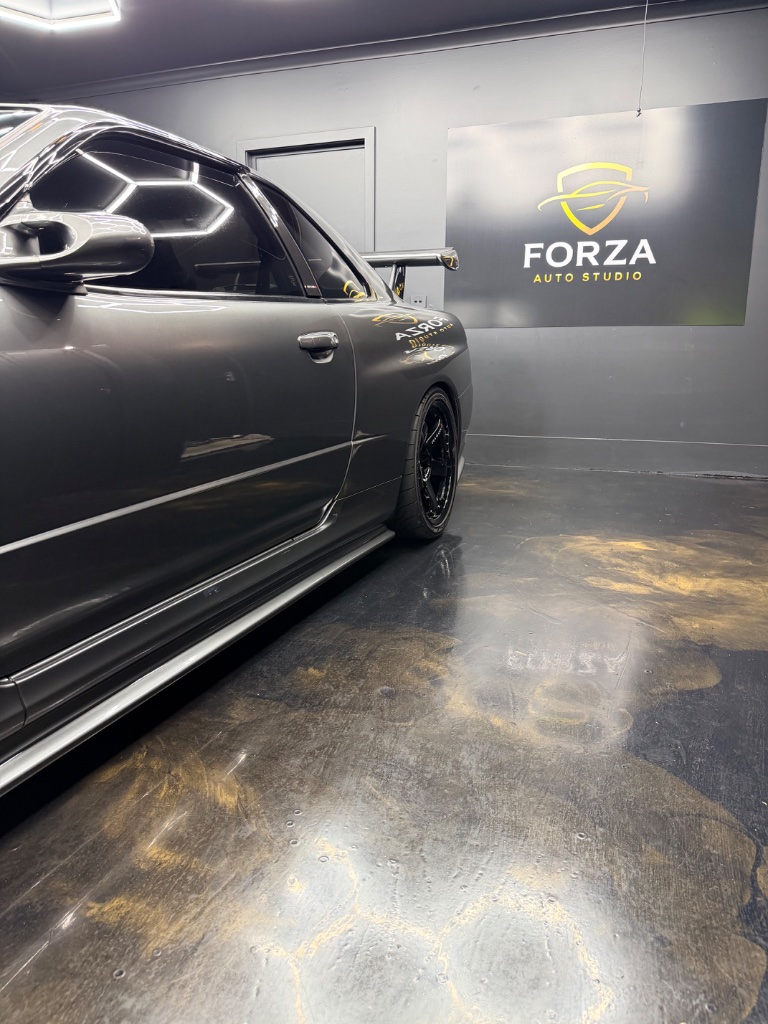
At Forza Auto Studio, every recommendation is based on the individual vehicle rather than a fixed package. PJ assesses the condition of the paint, the owner’s expectations and the vehicle’s intended use before recommending the level of correction and protection that makes sense.
Restoring oxidised paint is most rewarding when it is treated as the beginning of a preservation plan, not a one-off cosmetic fix. With measured correction, suitable protection and considered maintenance, a clearer, deeper finish can remain enjoyable to live with for years to come.