



A vehicle can be freshly washed, free of road film and looking sharp, yet still appear dull in direct light because of pale rings across the bonnet, roof or boot. To remove water spots from car paint properly, the first task is to establish whether they are sitting on the surface or have begun to mark it. That distinction determines whether careful washing will resolve the issue or whether measured paint correction is needed to restore clarity.
Water spotting is common on well-kept vehicles because it is not simply a sign of neglect. Rainwater, sprinkler overspray, wash water and mineral-rich water can all leave deposits as they evaporate. Canberra’s dry, warm conditions can accelerate that process when water dries quickly on a hot panel.
What water spots actually do to paint
Most water spots begin as mineral deposits. As the water evaporates, minerals such as calcium and magnesium remain behind, creating the familiar white or grey outline. In their early stage, these deposits are on top of the paint, glass or ceramic coating. They may feel slightly rough and can often be removed through appropriate decontamination.
The more difficult issue is etching. Given enough heat, time and repeated exposure, mineral residue can alter the surface of the clear coat. Rather than a deposit sitting on the paint, the spot becomes a shallow impression in it. It may remain visible after washing and can become especially obvious under workshop lighting or in low-angle sunlight.
Paintwork is not one uniform material. Clear-coat hardness varies between manufacturers, panels may have previous repairs, and a vehicle may already carry swirl marks, scratches or oxidation. This is why an aggressive response to a minor spot can create more visible paint defects than the water spot itself.
How to remove water spots from car paint without adding defects
Start only when the vehicle is cool to the touch and out of direct sun. Working on hot paint causes cleaners to dry too quickly and encourages unnecessary rubbing. If the car has been sitting outside, allow the panels to cool before beginning.
Rinse the affected area thoroughly, then wash using a pH-neutral shampoo, clean wash media and a safe technique. The aim is to remove loose dust and grime before touching the spot directly. Rubbing a dry mineral mark with a microfibre towel can drag contamination across the clear coat and leave fine scratching.
After washing, dry the panel with a quality drying towel and inspect it closely. If the outline has gone, it was likely fresh residue. If a mark remains but feels raised or rough, a dedicated water spot remover may be appropriate. Apply it sparingly to a small test area first, following the product instructions precisely, then rinse and dry the panel again.
A mild acidic cleaner can dissolve mineral deposits, but stronger is not automatically better. Household products are inconsistent, may be unsuitable for surrounding trim or sensitive finishes, and can leave staining if allowed to dry. A purpose-made automotive product used with care is the more controlled option.
If the spot looks smooth but remains visible after safe chemical decontamination, avoid escalating to heavy hand pressure or abrasive compounds. That is often the point where the issue has moved beyond surface contamination. The remaining mark may be etched into the clear coat and requires inspection-led polishing rather than more cleaning.
When water spot removal becomes paint correction
Paint correction uses controlled machine polishing to reduce defects in the clear coat and improve the way light reflects from the panel. For water spot etching, the goal is to level the affected area only as far as the paint safely allows. It is a measured process, not an attempt to chase every mark regardless of the remaining clear-coat thickness.
A specialist will inspect the vehicle under proper lighting, assess the extent of the etching and consider the overall condition of the paint. On a newer vehicle with isolated water spotting, a paint enhancement may be enough to restore gloss and clarity. On an older or poorly maintained vehicle with widespread etching, swirl marks and wash-induced scratches, a more involved correction may be justified.
There are trade-offs. Deep etching may be reduced substantially without being removed completely if further polishing would compromise the long-term health of the paint. That is a sensible preservation decision. A refined finish with safe paint thickness is more valuable than a short-term cosmetic result achieved by overworking the clear coat.
Water spots on glass need similar care, although the material is different. Mineral staining can bond strongly to exterior glass and may require dedicated glass polishing after chemical cleaning. Do not use paint compounds or aggressive pads on glass without knowing the intended process. Exterior plastics, polished metal and matte finishes also need product-specific treatment, as acidic cleaners can stain or alter their appearance.
Does ceramic coating prevent water spots?
A professional ceramic coating improves water behaviour, creates a more chemically resistant surface and makes routine washing easier. Those benefits can reduce the likelihood of stubborn deposits bonding quickly, particularly when the vehicle is washed and dried regularly. It also helps preserve the gloss enhancement achieved during paint correction.
A coating does not make paint immune to water spotting. Water that dries on a hot, coated panel still leaves minerals behind, and repeated sprinkler exposure can still lead to staining or etching. In some cases, beading water can leave concentrated deposits in smaller areas as each bead evaporates.
The practical advantage is maintainability. Contamination is generally easier to remove from a properly prepared and coated surface before it becomes severe. Coatings work best as part of a vehicle-preservation routine, not as a reason to leave rainwater, bore water or wash water to dry repeatedly on the car.
Prevention is mostly about drying and exposure
The most reliable way to prevent water spots is to avoid allowing water to evaporate on the vehicle. After washing, use clean drying towels and work panel by panel. Pay attention to mirrors, door handles, fuel fillers, grilles and badges, where trapped water can run out later and mark a freshly dried panel.
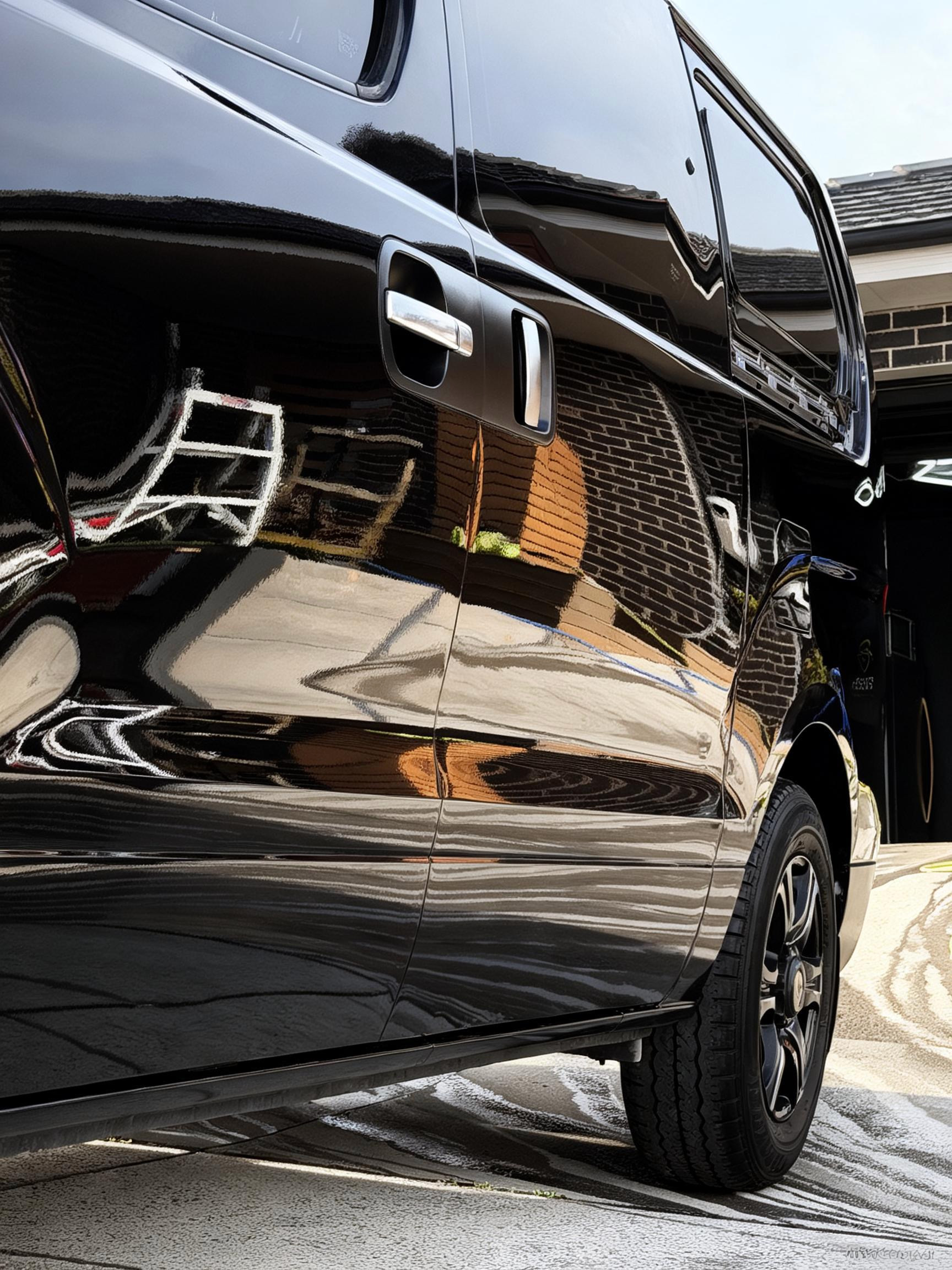
If the vehicle is exposed to sprinklers, move it where possible or rinse the affected areas promptly. Rain is less predictable, but a quick rinse and careful dry after a shower can prevent residue from baking on during the next warm period. This matters most on dark paint, where etching and loss of gloss are easier to see, but light-coloured vehicles are not exempt.
Avoid washing in direct sunlight when conditions allow. If that cannot be avoided, wash smaller sections, keep them wet and dry each section before moving on. Clean equipment matters too. A towel that has picked up grit from the ground is not suitable for paint, regardless of how soft it felt when new.
For vehicles with a ceramic coating, use maintenance products that are compatible with the coating and avoid unnecessary harsh chemicals. If water spotting keeps returning despite careful washing, the cause may be the water source, storage conditions or a coating that needs professional inspection rather than another layer of product.
A measured response protects the finish
Fresh water spots are usually straightforward. Etched spots require more judgement, particularly on valuable, classic or dark-coloured vehicles where paint clarity matters. The safest approach is always to begin with the least aggressive method, inspect the result and only step up when the condition genuinely calls for it.
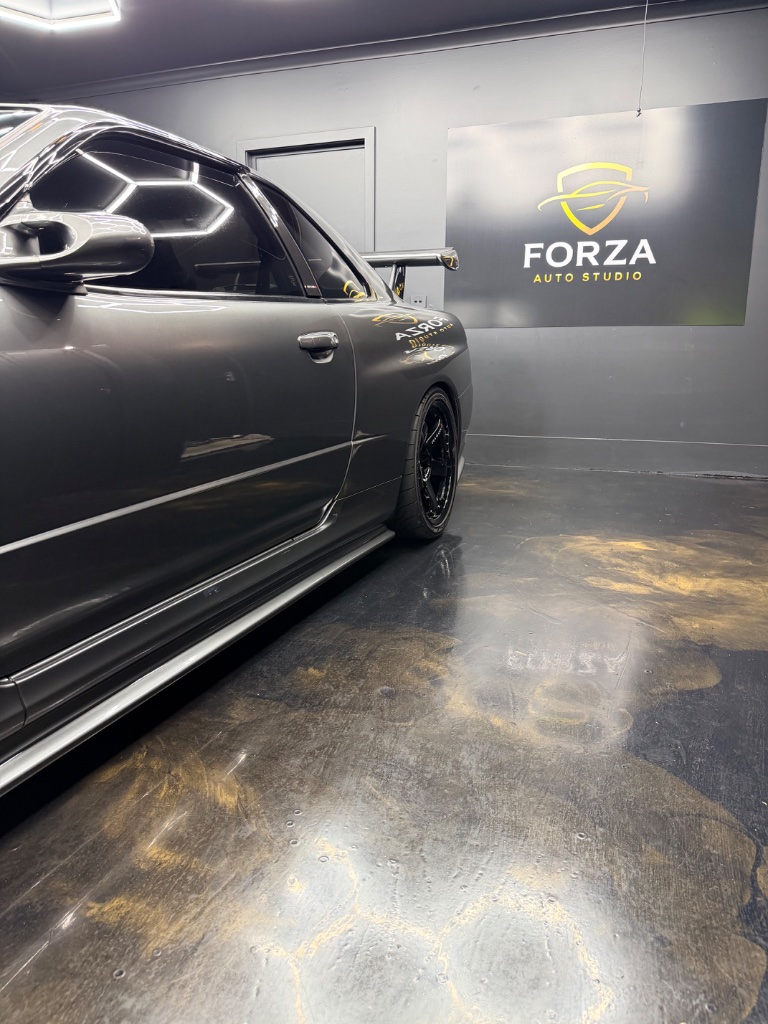
At Forza Auto Studio, that same inspection-led approach guides paint correction and long-term vehicle preservation. A water spot is small, but the response to it should still respect the paint beneath it. Addressing marks early, drying carefully and maintaining protection consistently gives the finish its best chance to retain depth, gloss and clarity over time.