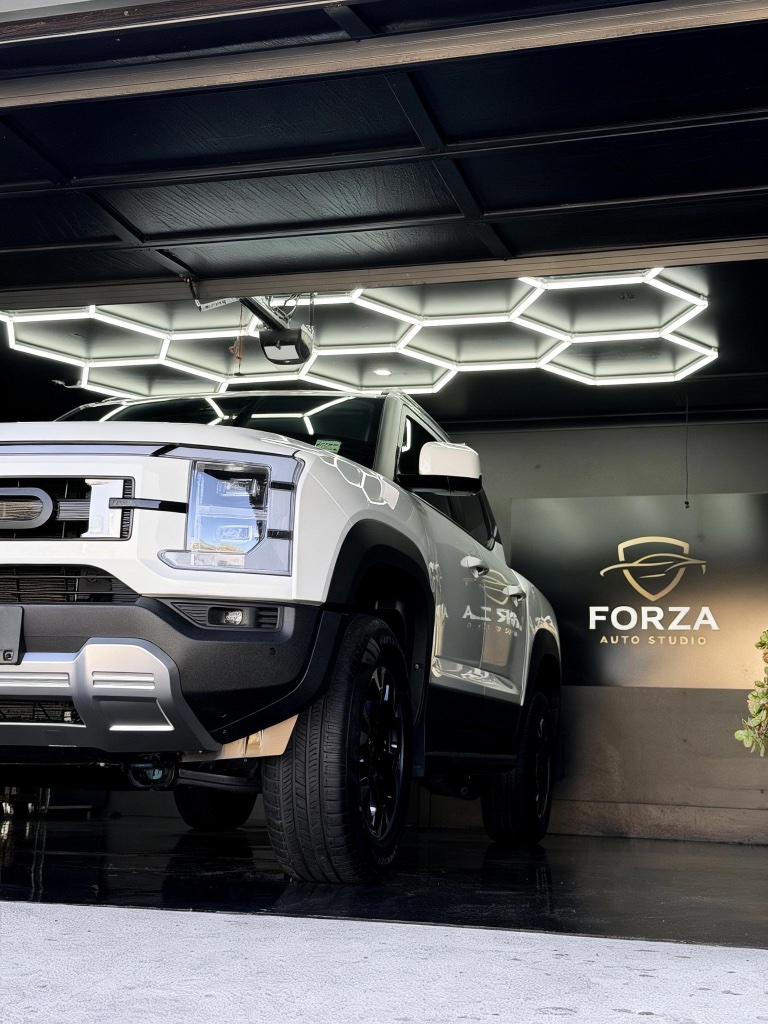

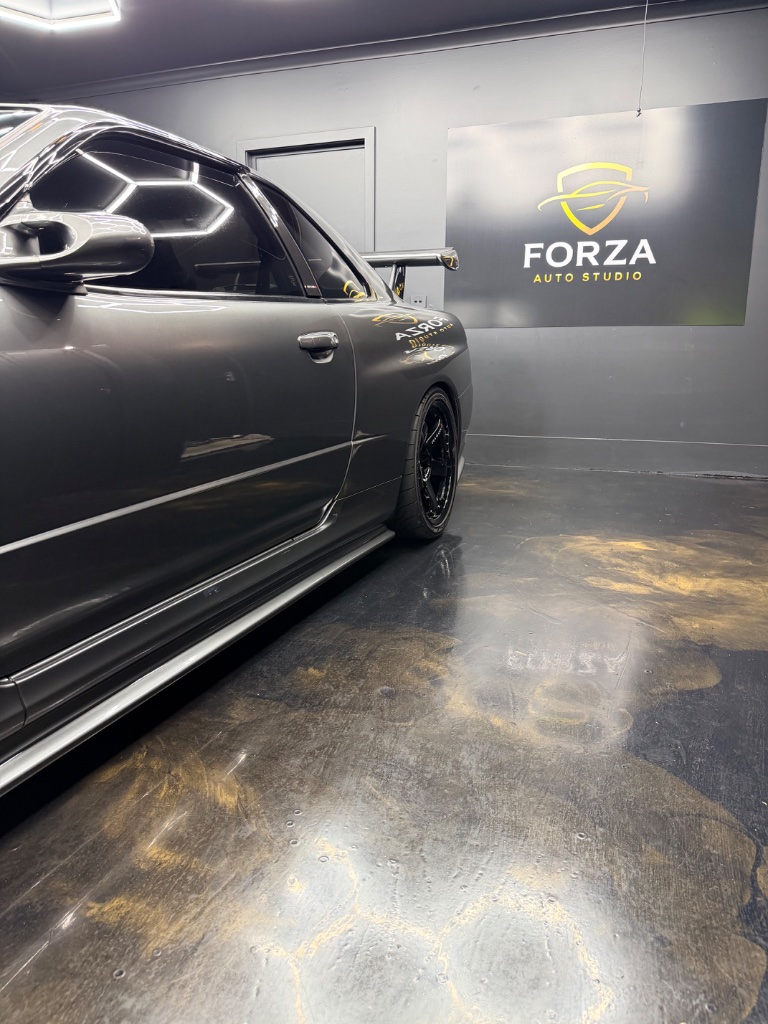
A vehicle can look clean in the shade yet appear tired the moment sunlight reaches the bonnet or door. That haze is often caused by fine circular scratches known as swirl marks. Professional swirl mark removal Canberra owners can rely on is not simply about adding shine for the day. It is a measured paint-correction process that restores clarity, depth and gloss while respecting the amount of paint available to work with.
For owners who value their vehicle’s presentation and long-term condition, the distinction matters. Swirl marks can make even well-maintained paint look flat, particularly on darker colours, black trim and metallic finishes. Reducing them safely requires more than a polish and a machine. It begins with understanding the paint, the defects and the realistic result that suits the car.
What swirl marks actually are
Despite the name, swirl marks are rarely caused by one dramatic event. They are typically a dense collection of fine scratches in the clear coat, most often introduced through washing, drying and wiping. A dry microfibre used on dusty paint, an unclean wash mitt, automatic wash brushes or rushed dealership preparation can all leave their mark.
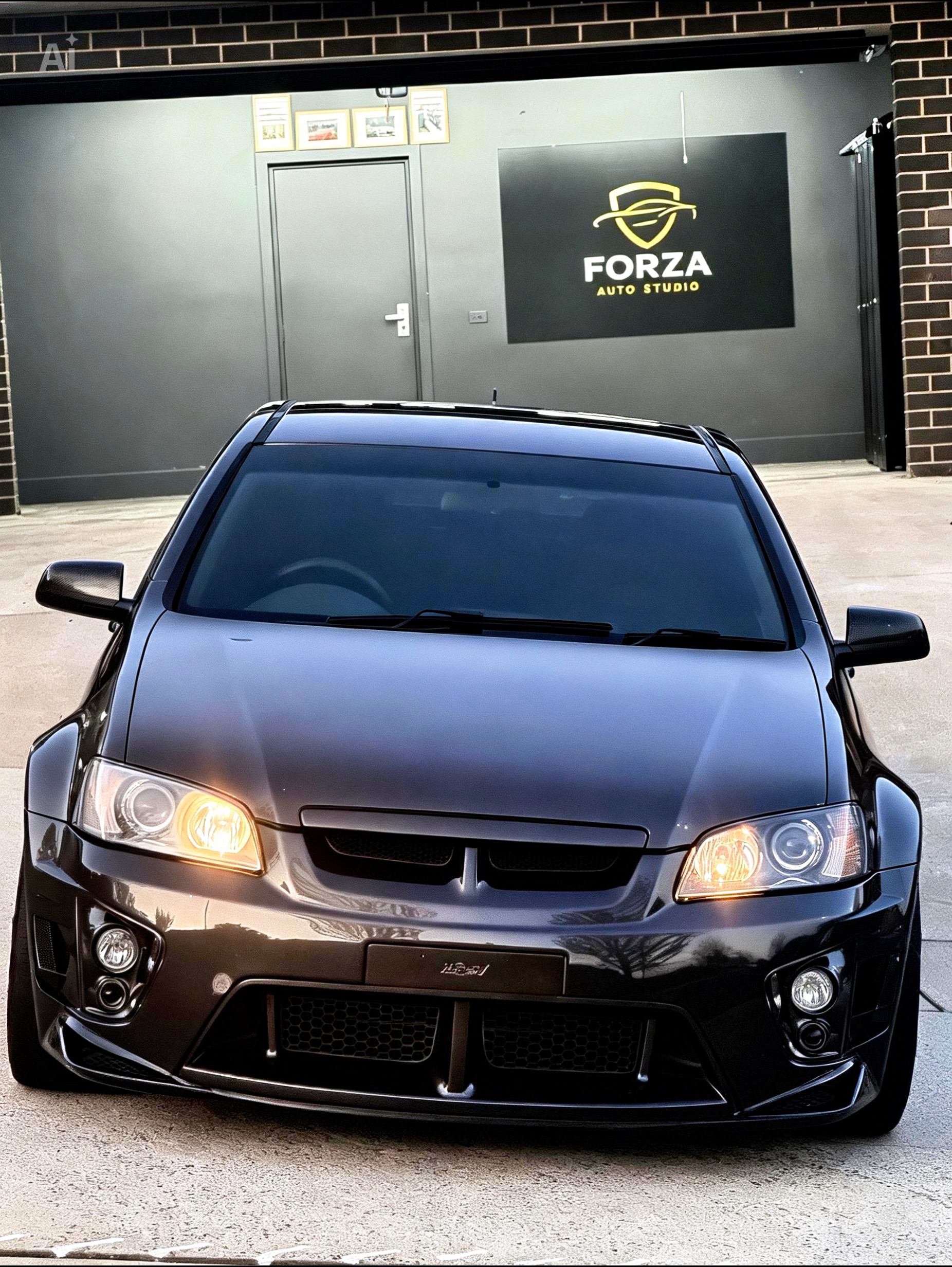
Under direct lighting, these fine scratches scatter light instead of reflecting it cleanly. The paint may still be clean, but it loses the crisp reflections and colour saturation that make a finish look properly cared for. On a dark vehicle, the effect can be especially obvious. On lighter colours, swirls may be less visible but can still soften gloss and clarity.
Not every visible mark is a swirl. Deeper scratches, random isolated deep scratches, water spots, bird-dropping etching, oxidation and stone-chip damage each sit at different levels of the paint system. They need to be identified before any correction work begins.
Why inspection comes before paint correction
Paint correction removes or reduces defects by levelling the surface around them. This is achieved by carefully refining a very small amount of clear coat, not by filling marks with a temporary dressing. That makes inspection the most important part of the work.
A proper assessment considers paint thickness, panel history, previous repairs, the severity of defects and how the vehicle is used. Repainted panels can behave very differently to factory paint. Some modern clear coats are comparatively hard and require a different approach, while others correct readily but offer less margin for aggressive work. Edges, body lines and older paint also require particular care.
The goal is not to chase every mark at any cost. A deeper scratch that catches a fingernail may be softened considerably, but fully removing it could take more paint than is sensible. Preserving the integrity of the finish is usually the better long-term decision. Clear advice should explain that trade-off before work starts, rather than presenting an unrealistic promise of total defect removal.
New cars can still need correction
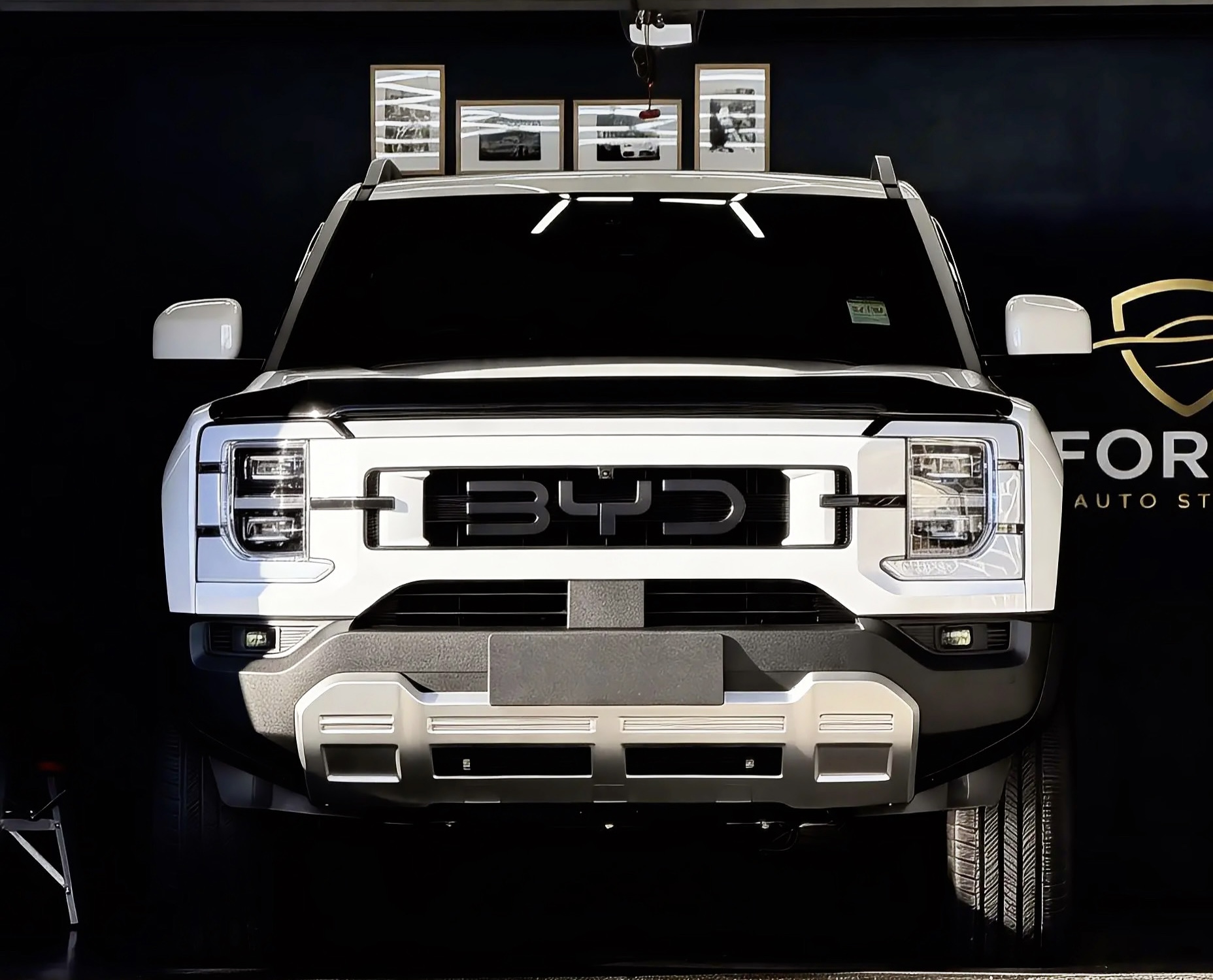
A new vehicle is not automatically free from paint defects. Transport, storage, pre-delivery washing and routine handling can leave fine marring, water spotting or light scratches before the owner has had much time behind the wheel. In some cases, a new car needs only a targeted gloss enhancement. In others, a more involved correction is justified before protection is applied.
Age alone is not the deciding factor. A well-kept ten-year-old car may need less correction than a recently delivered vehicle that has been repeatedly washed with poor technique. Inspection-led recommendations avoid treating every vehicle as though it has the same history.
The process behind swirl mark removal in Canberra
Canberra conditions can be demanding on paint. Strong UV exposure, dust, seasonal debris and mineral deposits from water can all affect how a finish looks and how easily it is maintained. The correction process should account for existing contamination and defects rather than beginning straight away with polishing.
First comes a thorough wash and chemical decontamination to remove traffic film, iron fallout and other bonded contamination. Depending on the vehicle, a clay treatment or another mechanical decontamination method may be needed to leave the paint genuinely smooth. This preparation matters because polishing contaminated paint risks dragging particles across the surface.
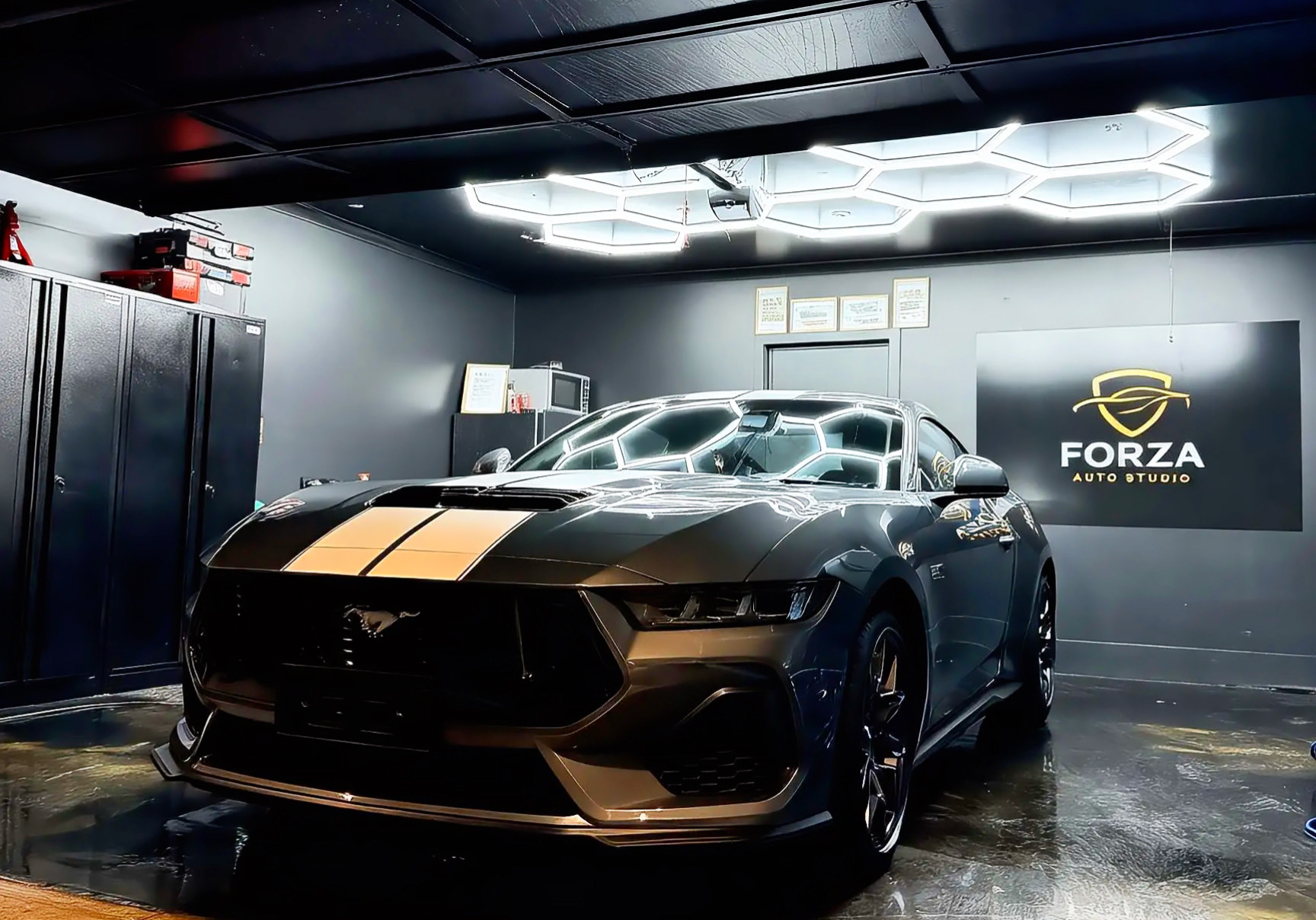
The paint is then inspected under specialist lighting. Light reveals defects that ordinary workshop lighting can hide, allowing each panel to be assessed accurately. A test spot is used to establish the safest combination of machine, pad and polishing compound for that specific paint. It is the practical step that turns a general plan into a controlled process.
For light wash marring, a single-stage paint enhancement may restore a substantial improvement in gloss and clarity. More heavily affected paint can require multi-stage paint correction, beginning with a measured cutting stage and followed by a refining stage to maximise clarity. The work is carried out panel by panel, with paint condition monitored throughout.
This is why correction is not best judged by how quickly a vehicle leaves the studio. Careful masking, cleaning between stages, checking progress under different lighting and refining difficult areas all contribute to a finish that looks consistent in the sun as well as indoors.
What results should you expect?
The appropriate outcome depends on the vehicle and the preservation goal. A daily-driven SUV may be best served by a meaningful reduction in swirls, clearer gloss and a protective plan that makes future washing safer. An enthusiast vehicle kept for weekends may warrant more extensive correction to bring out the paint’s depth before ceramic coating.
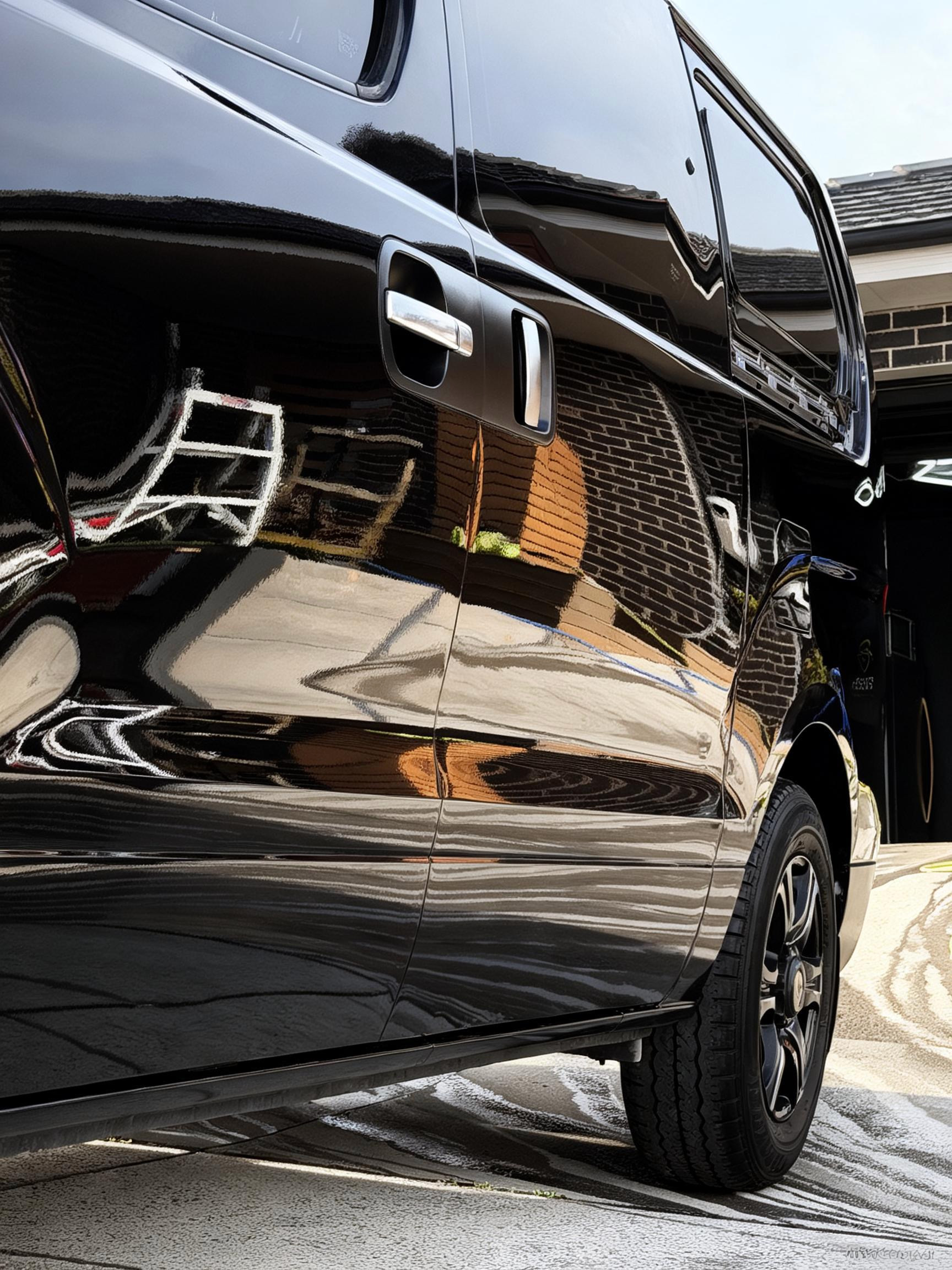
A quality correction should leave paint looking sharper and more even, with cleaner reflections and improved colour richness. It can reduce the visual impact of wash marks, light scratches, oxidation and some water-spot etching. It cannot repair missing paint, eliminate every deep scratch without compromise, or reverse damage that has penetrated through the clear coat.
That honest boundary is useful. It helps owners choose work that improves the vehicle materially while remaining appropriate for its age, condition and intended use.
Ceramic coating protects the refined finish, not the defects
Once paint has been corrected, protecting it makes practical sense. A professional ceramic coating can add chemical resistance, improve water behaviour and make routine washing easier when maintained correctly. It also helps preserve the clarity achieved during correction by reducing how readily contaminants bond to the surface.
A coating is not a substitute for correction. Applied over swirls, it will protect a finish that still contains swirls. Applied after careful paint correction, it supports easier upkeep and helps retain the presentation of the refined surface.
The right coating system varies with the vehicle, where it is parked, how often it is driven and how the owner intends to maintain it. Paint, wheels, glass and exterior plastics have different requirements. The most useful recommendation is one built around the whole vehicle and a realistic maintenance routine, not a one-size-fits-all package.
Keeping swirl marks from returning
The quality of the next wash has as much influence on long-term gloss as the correction itself. Ceramic coating can make washing more manageable, but it does not make paint immune to poor technique. The aim is to minimise friction and avoid rubbing grit into the surface.
Use clean, dedicated wash media, rinse thoroughly before contact washing and avoid wiping dust from dry paint. Dry with clean, suitable microfibre towels and use a drying aid where appropriate to reduce friction. If the vehicle has a ceramic coating, choose maintenance products that do not leave unnecessary residue or compromise water behaviour.
For owners who prefer specialist support, ongoing maintenance can keep the vehicle clean without gradually undoing the correction work. Periodic inspections also make it easier to address contaminants or emerging water spotting before they become more difficult to manage.
A considered approach to clearer paint
Swirl marks are common, but their removal should never be automatic or overly aggressive. The best result comes from matching the level of paint correction to the actual condition of the vehicle, then protecting and maintaining the finish with the same care.
At Forza Auto Studio, PJ approaches each vehicle one at a time, assessing what the paint genuinely needs before recommending a path forward. Whether the goal is a restrained gloss enhancement or more comprehensive correction, the worthwhile result is paint that looks clearer now and remains easier to preserve over the kilometres ahead.