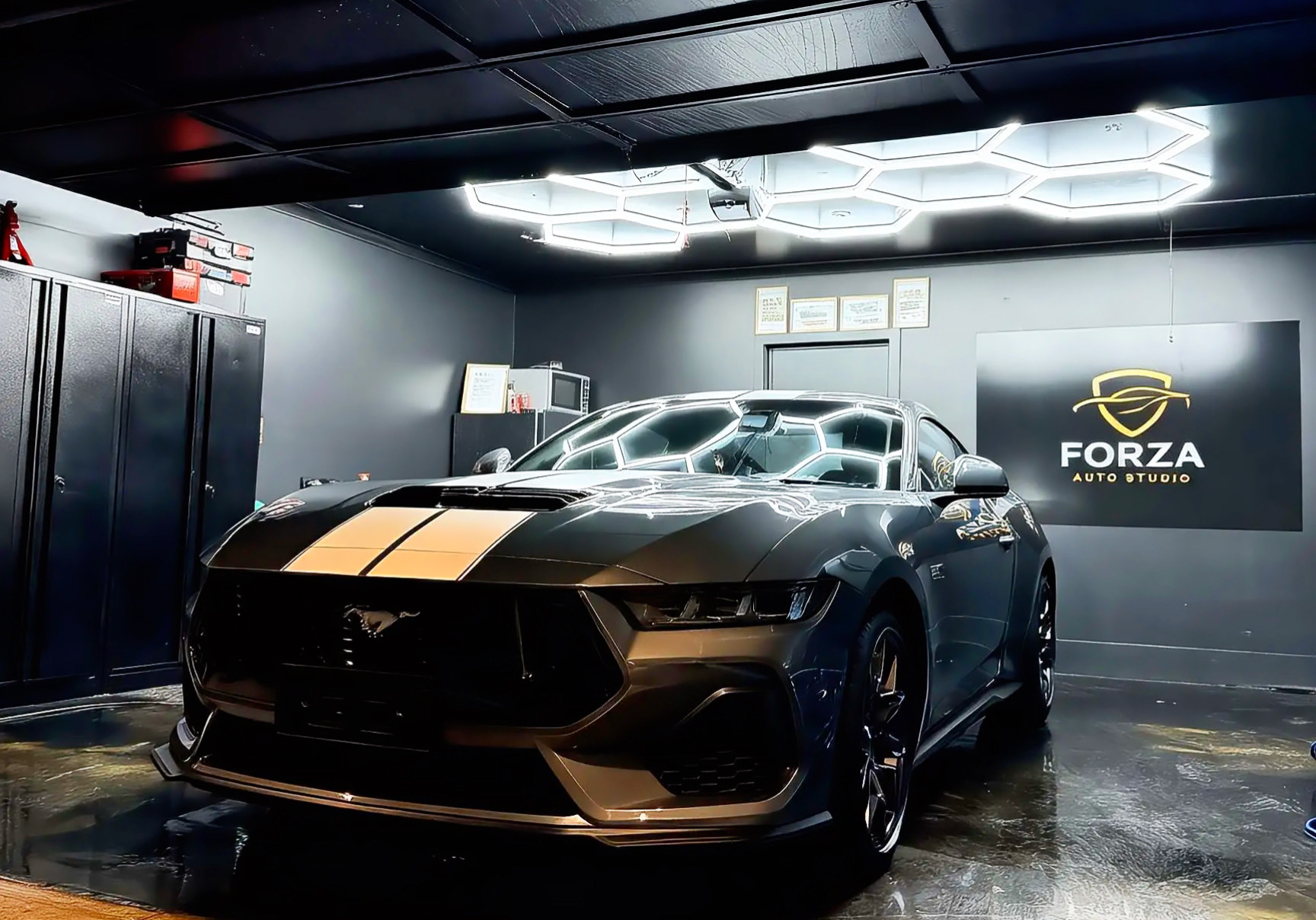
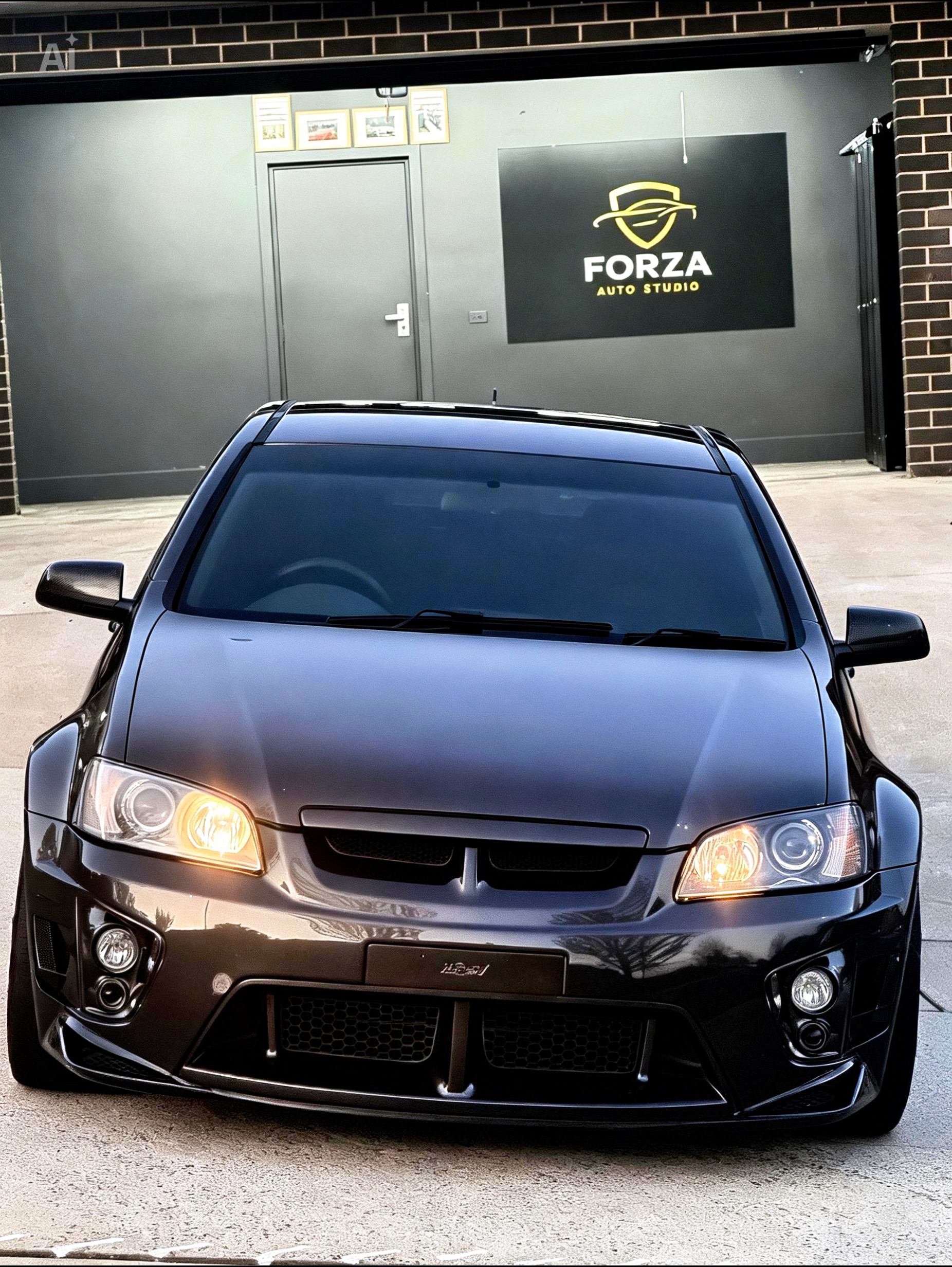
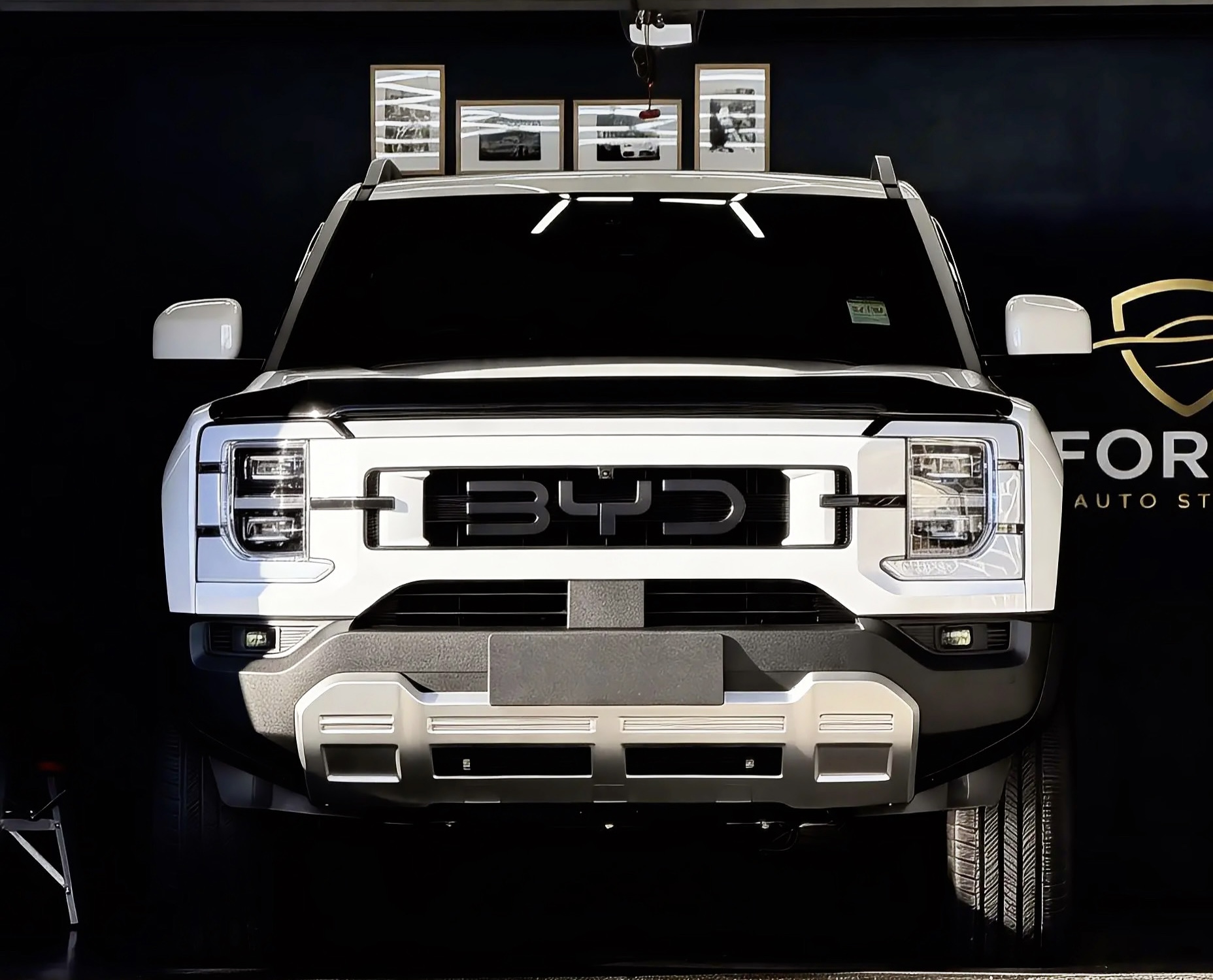
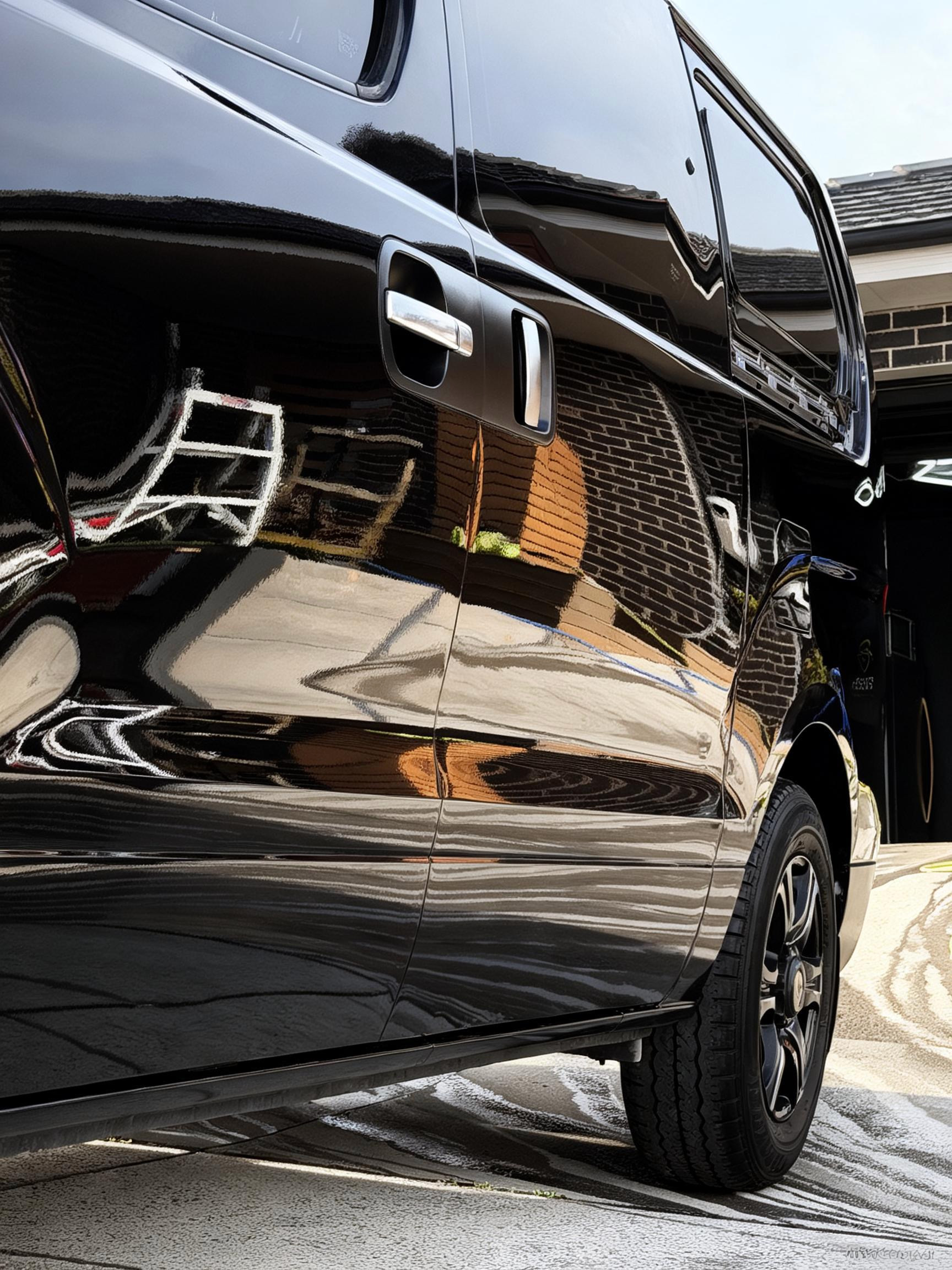
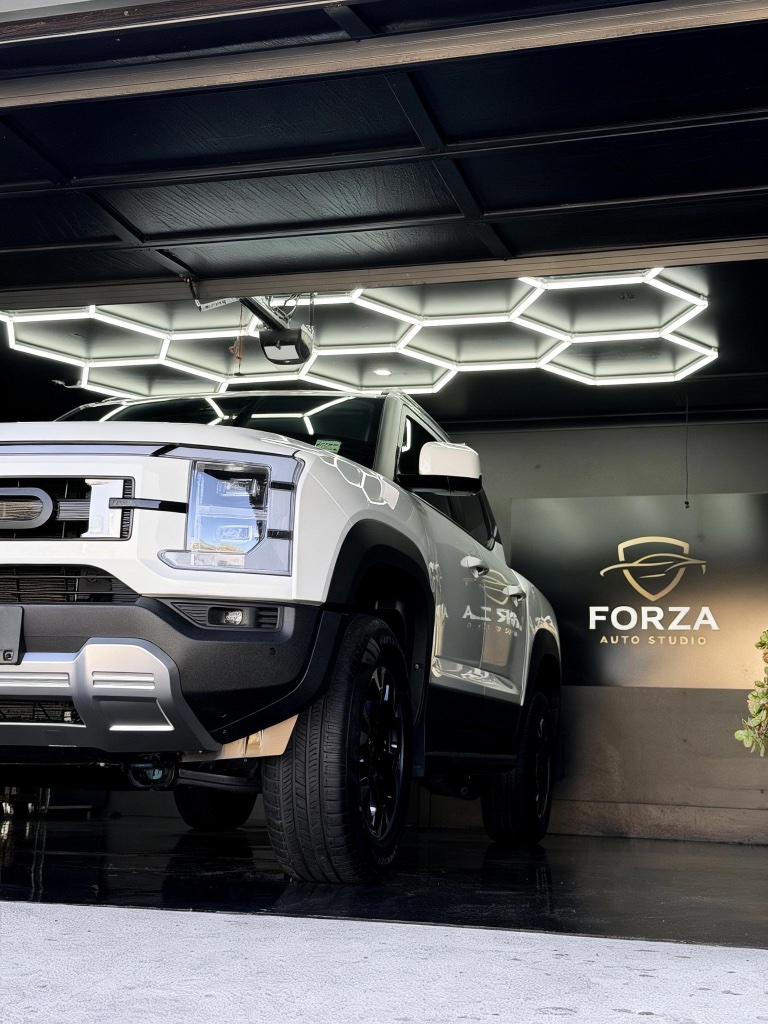

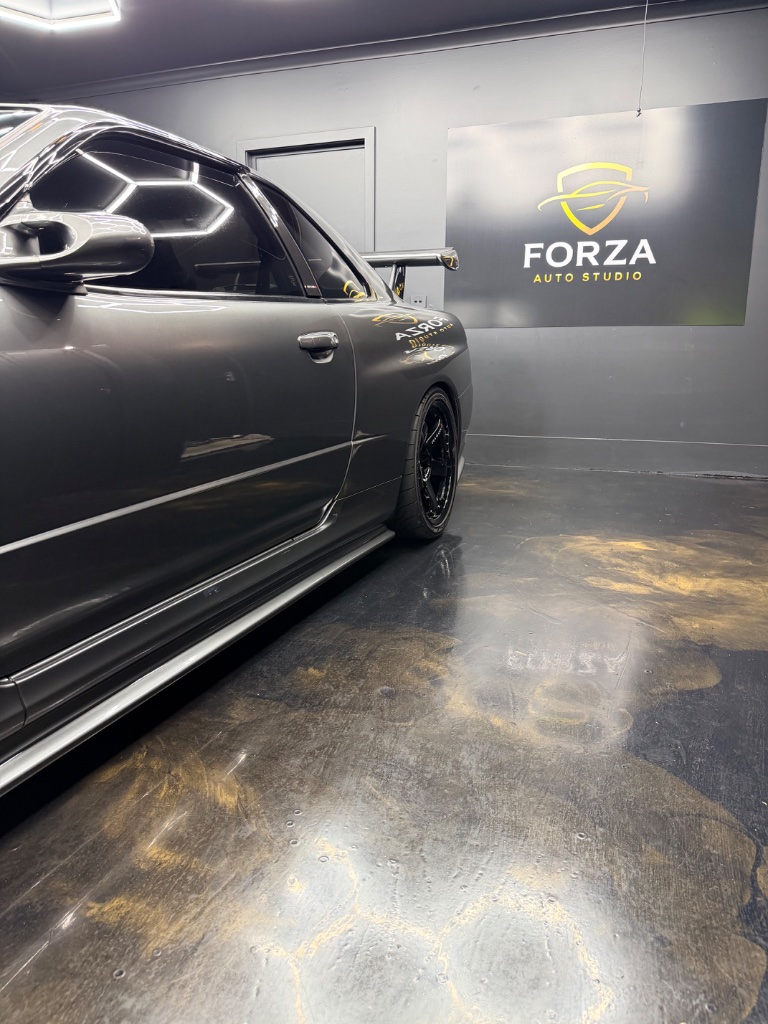
A vehicle paint inspection should happen before anyone recommends paint correction or ceramic coating. Under showroom lights, a car can appear clean and glossy while carrying wash-induced swirl marks, water spotting, bonded contamination or evidence of previous repair work. The inspection is where the true condition of the finish becomes clear and where a considered preservation plan begins.
For owners who care about presentation and long-term vehicle preservation, this is not a formality. It determines what can be improved safely, what should be protected and where expectations need to be realistic.
Why a Vehicle Paint Inspection Matters
Paint correction is a measured process of reducing visible paint defects from the clear coat. It is not simply polishing until the paint looks brighter. Every vehicle has a finite amount of paint material, and the correct approach depends on its condition, history and intended use.
A proper inspection helps answer practical questions. Are the marks sitting on the surface, or have they penetrated through the clear coat? Is the dullness caused by oxidation, contamination or fine scratching? Has a panel been repainted? Does the vehicle need a multi-stage correction, a conservative gloss enhancement, or preparation and protection only?
Without those answers, it is easy to choose a service based on a generic description rather than what the vehicle genuinely requires. An inspection-led recommendation is more accurate and, importantly, more respectful of the paintwork.
The Paintwork Is Assessed in Different Light
Natural daylight is useful, but it does not reveal everything. Direct sun can show heavier scratches and holograms, while controlled inspection lighting exposes the fine circular marks commonly left by washing and drying. Different light sources reveal defects from different angles.
This matters because gloss is not just shine. A glossy finish has clarity and depth because light reflects evenly from a refined surface. Swirl marks, etching and hazing scatter that light, which makes dark colours look greyed or washed out and lighter colours appear less crisp.
During an inspection, each painted panel is viewed closely, including the lower doors, rear bumper, boot lid and areas around handles. These are often where contamination, water spotting and handling marks collect. Plastic trims, exterior gloss-black pieces, wheels and glass may also be assessed where they form part of a broader correction or ceramic coating plan.
Surface contamination and water spotting
A vehicle can feel smooth after a wash yet still have contamination bonded to the paint. Iron fallout from brakes and rail transport, road film, tree residue and tar can attach to the surface and reduce gloss. Before polishing, these contaminants need to be removed through suitable decontamination methods.
Water spotting deserves particular attention in Canberra's warmer, drier periods. Mineral deposits can sit on the surface, but more stubborn marks can etch into the clear coat. Light spotting may be addressed during preparation. Deeper etching can require targeted correction, and in some cases it may not be sensible to chase complete removal if doing so would remove more clear coat than is appropriate.
Swirl marks, scratches and deeper defects
Not all scratches are alike. Fine swirl marks and light wash marring are generally defects within the upper portion of the clear coat and can often be reduced significantly with appropriate paint correction. A scratch that catches a fingernail may be deeper, potentially reaching the colour coat or primer, and polishing alone cannot safely make it disappear.
The aim is to improve the paint in a controlled way, not to make promises the material cannot support. Some deeper marks can be softened so they are less visible in normal viewing conditions. Others are better left partially visible than over-corrected. This is one of the trade-offs a careful inspection brings to the surface before work begins.
Paint Depth Readings Add Useful Context
A paint depth gauge measures the total coating thickness across suitable metal panels. Used properly, it provides valuable context alongside visual inspection. Consistent readings may suggest original paint, while unusually high or irregular readings can indicate previous refinishing or repair work.
These figures are not a verdict on their own. Factory paint thickness varies between manufacturers, panels and even sections of the same panel. A reading also includes the underlying colour and primer layers, not just the clear coat being corrected. What matters is the overall pattern, the visual condition and the technician's response to both.
If a panel has been repainted, it may still be suitable for correction and protection. It simply needs to be approached with care. Paint systems, curing history and previous polishing can differ from the rest of the vehicle. On older, classic or enthusiast vehicles, this assessment can be particularly valuable because the paint may have a long and undocumented history.
Previous Work Can Change the Right Approach
Many new vehicles arrive with defects already present. Dealership preparation, transport films, routine washing and storage can all leave fine marring or marks that become obvious once the car is properly cleaned and inspected. A new registration plate does not necessarily mean untouched paint.
On a used vehicle, previous polishing can be harder to identify. Signs may include uneven gloss, machine trails, sharp panel edges that need careful treatment, or areas where defects have been chased too aggressively in the past. There is no benefit in assuming every panel should receive the same level of correction.
This is why a tailored plan might focus on a measured enhancement for a well-kept daily driver, while a special vehicle being prepared for long-term ownership may justify more involved refinement. Intended use matters. A weekend car stored carefully has different preservation needs from a performance car driven through all seasons or a family SUV facing regular school runs.
Inspection Also Determines Whether Ceramic Coating Is Suitable
A ceramic coating protects the finish that is underneath it. It can improve ease of maintenance, support water behaviour and help preserve a properly prepared surface, but it does not remove swirl marks, scratches or etching. Coating a defect-laden finish can make that finish easier to wash, yet the defects remain visible.
For that reason, the inspection establishes the sensible order of work: clean and decontaminate the vehicle, correct the paint where appropriate, then prepare the refined surface for ceramic coating. The coating selection should also account for the surfaces being protected. Paint, wheels, glass and exterior plastics do not always have the same requirements.
There are occasions where minimal correction is the better choice. A vehicle with very delicate paint, a heavily weathered finish or an owner who wants preservation rather than a major cosmetic improvement may benefit from conservative preparation and protection. Good vehicle care is not about applying the most intensive process available. It is about selecting a process that serves the vehicle.
What to Share at Your Inspection
The most useful inspection is a two-way conversation. Let the specialist know how the vehicle is used, how it is washed, whether it lives indoors or outdoors, and what concerns you most. A photo from a certain angle may show a scratch that is difficult to reproduce in the studio, while a note about recurring water spots can point to a maintenance issue worth addressing.
It also helps to be clear about the result you value. Some owners want a substantial improvement in gloss and clarity while retaining a practical approach for regular driving. Others are focused on correcting a particular area, preserving original paint on a classic, or establishing a protected baseline on a new car. These are all valid priorities, but they lead to different recommendations.
At Forza Auto Studio, PJ assesses the vehicle personally before proposing the work. That one-vehicle-at-a-time approach allows the inspection to guide the process, rather than fitting the car into a fixed package.
A Clearer Starting Point for Long-Term Care
The best time to inspect paint is before defects become normal to your eye. Once you understand the condition of the surface, decisions about paint correction, ceramic coating and ongoing maintenance become simpler and more proportionate.
A considered inspection does more than identify what is wrong with the paintwork. It gives you a clearer baseline for keeping the vehicle looking its best through the kilometres, seasons and ordinary use ahead.