


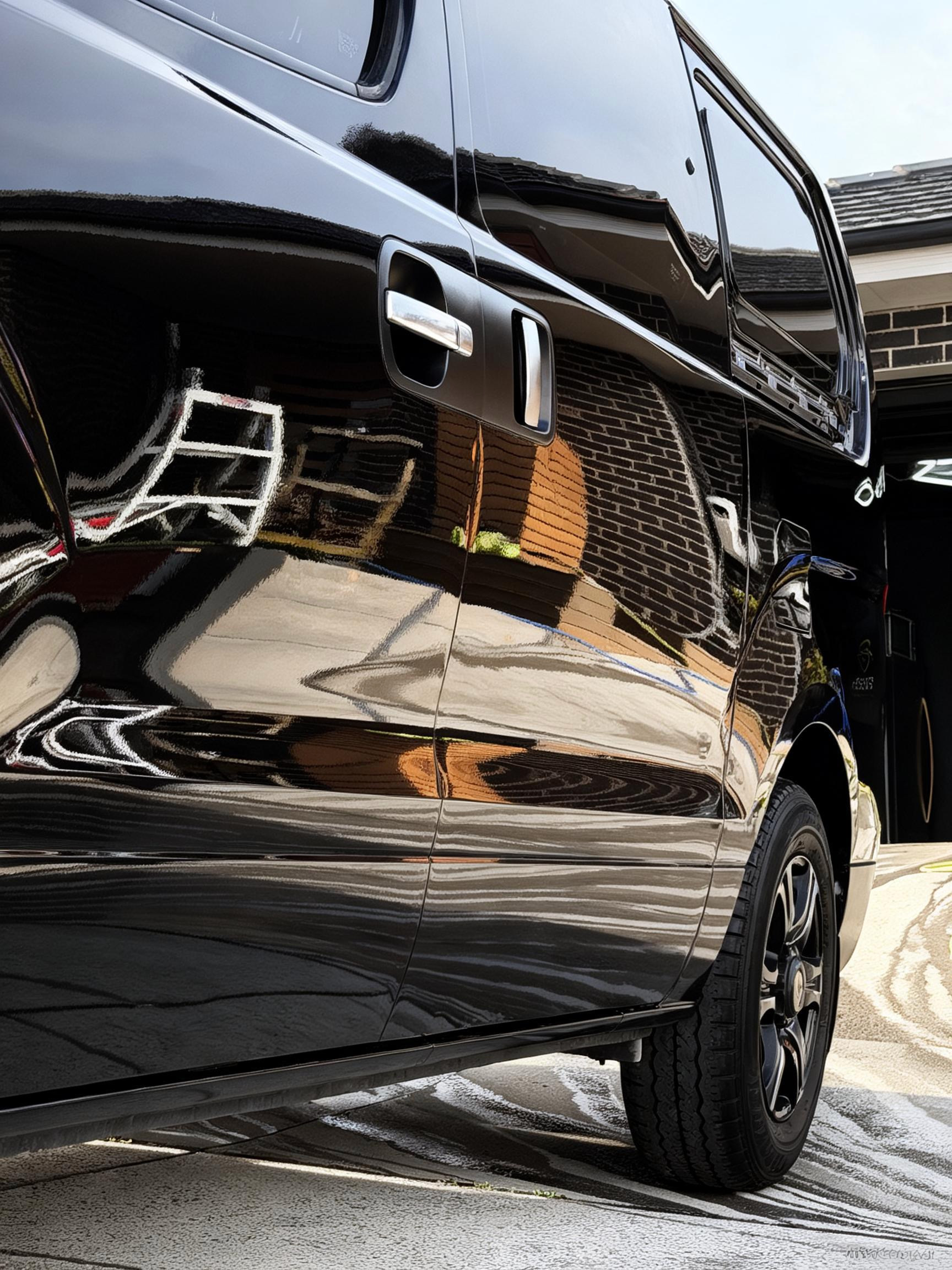


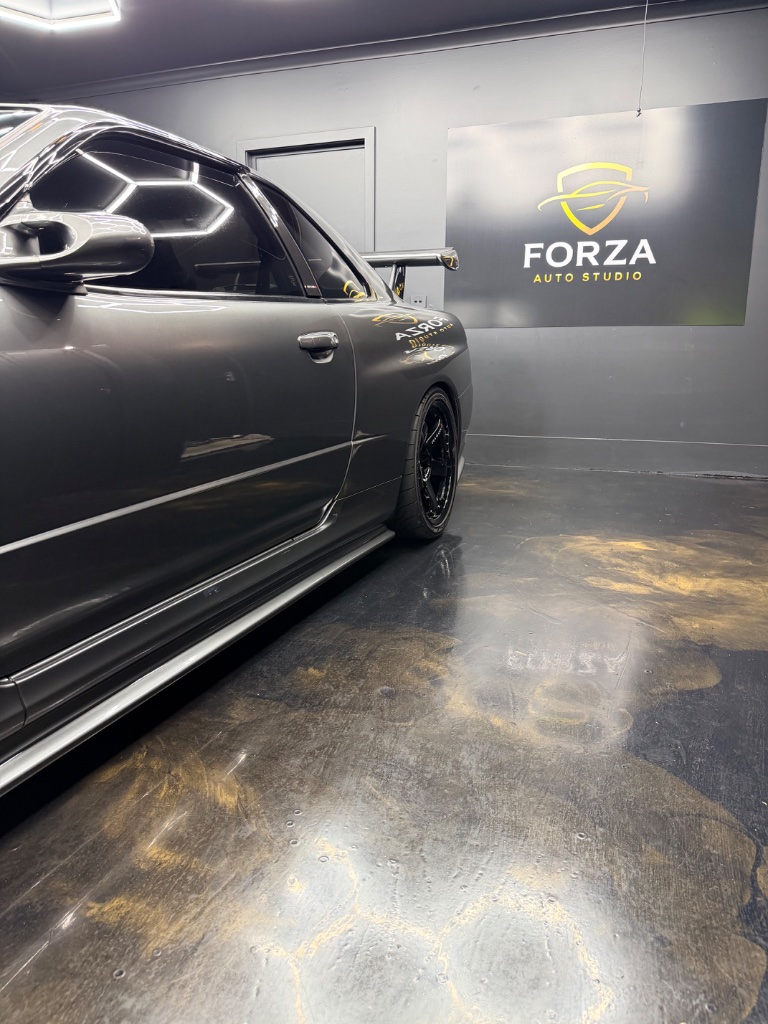
A vehicle rarely loses its appeal in one dramatic moment. More often, it happens through repeated small exposures: rushed washing, bird droppings left through a warm afternoon, mineral-rich water drying on paint, road film settling into crevices, or interior surfaces gradually drying out in the Canberra sun. This vehicle preservation guide focuses on preventing that slow decline with considered, inspection-led care.
Vehicle preservation is not about keeping a car locked away or chasing an unrealistic standard of perfection. It is about understanding the condition of each surface, correcting defects where appropriate, then maintaining the vehicle in a way that protects its presentation and makes future care more straightforward.
Start With the Vehicle You Actually Have
The right preservation plan depends on the vehicle’s paint condition, age, storage, usage and finish. A new European SUV that has received dealership preparation may carry light swirl marks, adhesive residue or water spotting despite having very few kilometres on the odometer. A cherished weekend car may have excellent paint but neglected rubber seals and wheel barrels. A daily driver may need practical protection and a maintenance routine that works around real weather, school runs and highway kilometres.
That is why an inspection should come before a recommendation. Paint thickness, previous repairs, contamination levels, existing protection and the owner’s expectations all influence what is sensible. There is no value in prescribing extensive paint correction where a restrained gloss enhancement will achieve the right outcome, and there is no benefit in applying a ceramic coating over paint defects that should first be addressed.
A proper inspection also distinguishes defects that can be safely reduced from those that require a different approach. Swirl marks, light scratches, oxidation and some water spotting can often be improved through paint correction. Stone chips, deep scratches and failing clear coat are different matters. Preservation begins with an honest view of what can be refined and what should be managed carefully.
Clean Before You Protect
Protection performs best on clean, well-prepared surfaces. Washing alone does not remove every bonded contaminant from paintwork, glass and wheels. Brake dust, industrial fallout, tar, tree residue and mineral deposits can remain attached to the surface, affecting smoothness, gloss and coating performance.
The preparation stage typically begins with a safe exterior wash, followed by targeted chemical and mechanical decontamination where required. This process removes contamination without treating the paint as if it can withstand unlimited abrasion. The goal is a clean, stable surface that can be properly assessed, not simply one that looks better while wet.
For vehicles in Canberra and surrounding NSW, water spotting deserves particular attention. Water can dry quickly in warmer conditions, leaving mineral deposits that dull gloss or etch into the clear coat if left unattended. A ceramic coating can make routine washing and drying easier, but it does not make paint immune to water spots. Prompt removal and careful drying remain part of good vehicle preservation.
Correct Paint Defects With Restraint
Paint correction is the controlled polishing process used to reduce visible paint defects and restore clarity, depth and gloss. It is not a universal requirement, nor should it be treated as a single fixed service. The appropriate level depends on the vehicle’s condition, paint type and long-term preservation goals.
A paint enhancement may suit a newer or well-maintained vehicle with light wash marring and reduced clarity. Multi-stage paint correction may be appropriate where swirl marks, heavier scratches, oxidation or persistent defects are more visible. In both cases, the work should be measured against the available paint and the finish the owner wants to maintain afterwards.
Correction involves a trade-off worth understanding. Improving defects requires carefully refining the clear coat, so the aim is meaningful visual improvement without unnecessary material removal. A specialist approach favours safe, repeatable results over chasing every isolated mark. That is particularly relevant for classic vehicles, softer paint systems and cars that have been polished multiple times before.
Once paint clarity is restored, gloss is easier to appreciate because light reflects more evenly across the surface. Dark colours often reveal this most clearly, but lighter paint can benefit just as much through improved crispness and reduced haze.
Ceramic Coating Is a Preservation Tool, Not a Substitute for Care
A professional ceramic coating is often a sensible next step after paint correction or when protecting a well-presented new vehicle. It provides a durable, sacrificial layer designed to improve surface behaviour and make regular maintenance more manageable. Water and road grime are generally easier to remove, and the finish is better placed to retain its presentation when washed correctly.
The result is practical rather than magical. Ceramic coating does not prevent stone chips, eliminate the need for washing or make a vehicle scratch-proof. It also cannot correct poor paint preparation beneath it. Its value comes from pairing a well-prepared surface with a considered maintenance routine.
Protection can be tailored beyond paintwork. Wheels benefit from coatings that reduce the effort involved in removing brake dust. Glass protection can improve wet-weather visibility by encouraging water to move away more readily. Exterior plastics can be protected to help maintain an even appearance, particularly on vehicles exposed to regular sun and weather.
The right combination depends on how the vehicle is used. A performance car used selectively may prioritise paint refinement and wheel protection. A daily-driven ute or family SUV may place greater value on easier cleaning across paint, glass, plastics and interior touchpoints.
The Maintenance Habits That Preserve the Finish
Most avoidable paint damage occurs during routine care rather than while the car is parked. The washing method matters as much as the products used. Dirt should be safely loosened and rinsed before contact washing, and clean wash media should be used with adequate lubrication. Reusing a dirty sponge or dragging dry dust across paint is a reliable way to introduce fresh swirl marks.
Drying deserves the same discipline. Use clean, high-quality drying towels and avoid allowing water to bake onto panels, glass or trim. If bird droppings, insect residue, sap or fuel spills appear, remove them as soon as practical. These contaminants are easier to address early and less likely to mark the surface.
Interior preservation is similarly gradual. Vacuuming is useful, but long-term care also means cleaning contact areas such as steering wheels, door cards, screens, centre consoles and seat bolsters with suitable products. Leather, alcantara, gloss-black trim and matte surfaces each need different treatment. Over-cleaning or using overly aggressive products can create its own problems, so the process should suit the material.
For coated vehicles, maintenance should be based on how the car looks and feels rather than an arbitrary schedule. If the paint no longer feels smooth, water behaviour has changed, or contamination is visible around lower panels and behind wheels, it may be time for a specialist maintenance service. This can safely reset the finish, inspect the coating’s condition and address emerging issues before they become more involved.
Protect the Details That Often Get Missed
Vehicle preservation is often decided by the areas owners see every day but rarely clean thoroughly. Door shuts, fuel filler areas, badges, wheel arches, exhaust tips, window rubbers and the edges of boots or bonnets collect grime that gradually affects the overall presentation.
These areas do not need constant attention, but they should be included in periodic deep cleaning. Regularly clearing leaves and debris from drainage channels is also sensible, especially if the car is parked outdoors. Moisture trapped around seals and body openings is not helpful to any vehicle, particularly older examples.
Storage conditions matter too. A garage offers protection, but it is not automatically ideal if the space is dusty, damp or poorly ventilated. For cars stored for extended periods, clean the vehicle first, ensure it is dry, avoid leaving contaminants on the paint, and use a breathable cover only when it will not trap dirt against the surface.
A Preservation Plan Should Evolve
A car’s needs change. A new vehicle may begin with decontamination, a light paint correction and ceramic coating. Two years later, it may only require specialist maintenance. A vehicle that moves from weekend use to daily commuting may need a different washing plan and more frequent attention to wheels, lower panels and interior surfaces.
The most useful approach is to review condition rather than follow a generic package. At Forza Auto Studio, each vehicle is assessed individually because preservation is most effective when the work reflects the paint, the usage and the owner’s priorities.
The best time to protect a finish is usually before it looks neglected. A few careful decisions - safe washing, prompt contaminant removal, appropriate paint correction and protection that suits the vehicle - can keep the car easier to maintain and more rewarding to own for years to come.