


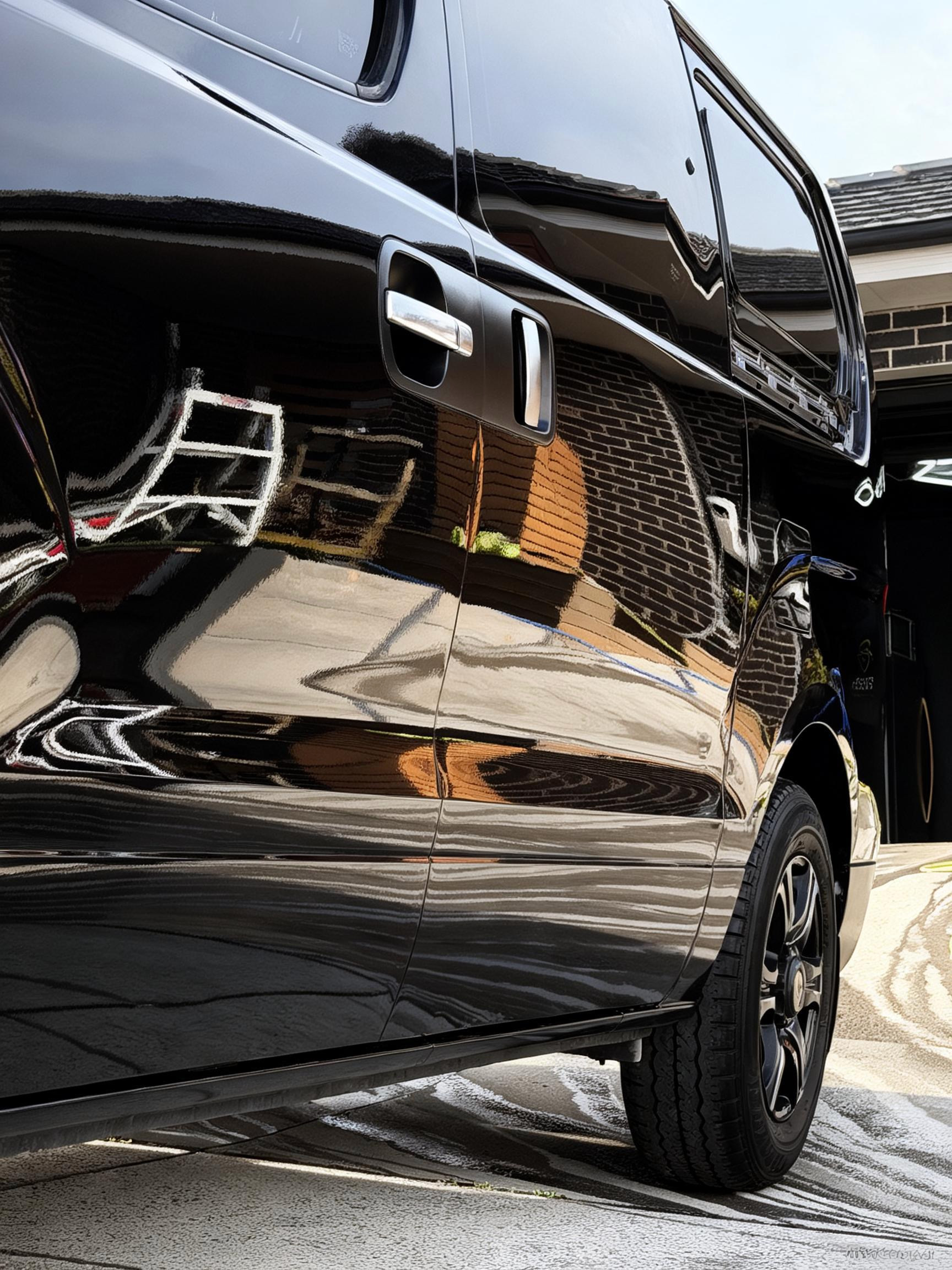


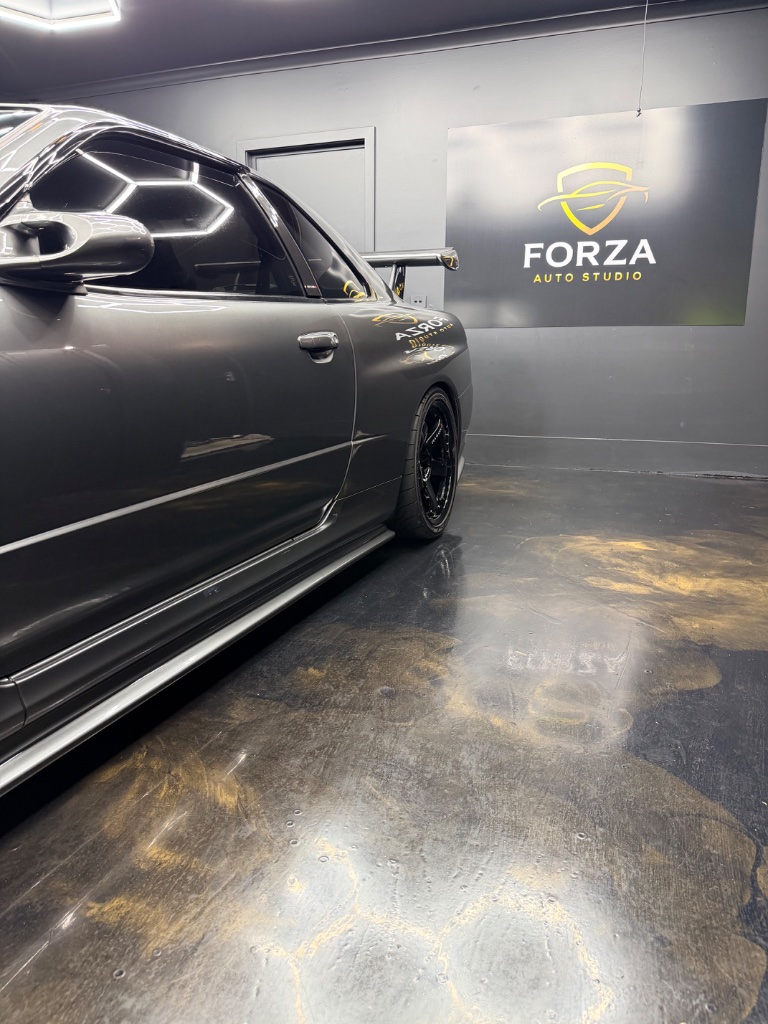
A ceramic coating can look outstanding when it is first applied, then appear to have failed months later. Water no longer beads, the paint feels rough, gloss seems muted, and water spots become harder to remove. Understanding why ceramic coatings fail starts with separating genuine coating failure from surface contamination, maintenance issues and unrealistic expectations.
A professional ceramic coating is not a permanent shield and it cannot correct paint defects beneath it. It is a sacrificial protective layer designed to improve chemical resistance, make washing easier and help preserve a properly prepared finish. Its result depends on the condition of the paint, the preparation process, application control and the care it receives afterwards.
Why ceramic coatings fail before their time
Most premature failures are not caused by one dramatic event. They are usually the result of small compromises made before, during or after application. The coating may still be present, but its performance is masked by contamination or worn down unevenly by the vehicle's use and maintenance routine.
This matters because a vehicle can have excellent gloss enhancement and a quality coating system, yet still lose water behaviour if mineral deposits build over the surface. Equally, a coating applied to paint that has not been properly decontaminated or prepared may struggle to bond as intended from day one.
Incomplete surface preparation
Preparation determines how well a ceramic coating can bond to paintwork. Washing alone is not enough. A vehicle may carry traffic film, iron fallout, tar, old waxes, polishing residues, embedded contamination and mineral deposits that are not obvious from a distance.
A careful process generally begins with thorough cleaning and chemical decontamination, followed by mechanical decontamination where appropriate. This creates a cleaner, smoother foundation for paint correction and coating preparation. If contamination remains, it can interfere with bonding and leave the finished surface less consistent.
Paint correction also plays a role. Swirl marks, scratches, oxidation and water spotting are defects in or on the paint system. A coating may add gloss and visual richness, but it does not remove those defects. Applying protection without first assessing the paint condition can lock in reduced clarity and leave an owner disappointed with a result that was never realistically possible from the coating alone.
Before application, polishing oils and residues need to be removed with appropriate panel preparation. This is not a cosmetic step. The coating needs direct contact with a properly prepared surface rather than a layer of residue between the paint and the protection.
Applying a coating without controlling the process
Ceramic coatings require measured application, suitable conditions and accurate levelling. Too much product, inconsistent spreading or leaving the coating on the panel for too long can create high spots. These can look like darker, oily patches or uneven marks once cured, particularly in direct sunlight or under inspection lighting.
Temperature and humidity influence working time. A product that behaves predictably in one environment may flash much faster in another. Canberra's hot, dry summer days and cold winter conditions make workshop control particularly valuable. The objective is not simply to apply product quickly. It is to apply it evenly, level it correctly and allow it to cure under suitable conditions.
Not every paint type, panel condition or vehicle use calls for the same approach. An inspection-led recommendation considers whether paint correction is required, which surfaces should be protected and what level of ongoing care the owner can reasonably maintain. That practical judgement protects the result better than a fixed process applied to every vehicle.
Insufficient curing time
A coating may feel dry soon after application, but curing continues beyond that initial stage. During this period, exposing the vehicle to rain, washing, heavy contamination or unnecessary handling can compromise the finish.
The exact curing window depends on the coating system and conditions, so aftercare advice should be specific to the vehicle. In general, avoiding washing and keeping the car away from harsh weather during the early curing period gives the coating the best opportunity to stabilise. Parking beneath trees, near sprinklers or in areas with heavy bird activity is best avoided where possible.
Early water exposure does not automatically mean the coating has failed. However, water spots or contamination allowed to dwell on a fresh coating can become difficult to manage and may affect its appearance. Prompt, careful inspection is preferable to aggressive cleaning attempts.
A coating can be blocked, not gone
Loss of water beading is often treated as proof that a ceramic coating has disappeared. Sometimes it has degraded, but often the surface is simply clogged with contaminants.
Mineral-rich water, road film, airborne fallout, tree sap and residues from unsuitable wash products can sit on top of the coating. Water then sheets or clings rather than forming tight beads. The surface may feel less slick and look less reflective, even though the protective layer remains underneath.
This is especially common on daily-driven vehicles. A car exposed to rain, dusty roads, hard water or frequent outdoor parking collects contamination steadily. The answer is not always to recoat the vehicle. A professional maintenance assessment may identify whether a controlled decontamination wash can restore the coating's behaviour, or whether the protection has genuinely reached the end of its useful life.
Water spotting deserves particular attention. When water evaporates, it can leave mineral deposits behind. If those deposits are allowed to bake on a hot panel, they may etch into the coating or, in more severe cases, affect the clear coat itself. A ceramic coating provides useful resistance, but it does not make water spots harmless.
Washing habits that shorten coating life
The way a vehicle is washed has a direct effect on its finish. Ceramic-coated paint is easier to clean because grime releases more readily, but that benefit is lost when washing introduces fresh swirl marks or leaves chemical residue behind.
A strong alkaline cleaner used too often can reduce water behaviour and dry the surface. Harsh degreasers, abrasive polishes and wash products containing gloss additives can also interfere with how a coating performs. Some products leave behind a temporary hydrophobic layer, making it difficult to tell whether the underlying coating is healthy.
Mechanical contact is equally important. Washing a heavily soiled vehicle with a dirty sponge, one bucket of contaminated water or a low-quality wash mitt drags grit across the paint. Ceramic coating is not scratch-proof. It can reduce the likelihood of dirt bonding tightly to the surface, but it cannot prevent wash-induced swirl marks when technique is poor.
A measured maintenance routine is usually simple: wash before contamination accumulates, use pH-appropriate products, work from cleaner areas to dirtier ones and use clean wash media. Drying with a quality towel or filtered air helps reduce water spotting. The correct frequency depends on where the car is parked, how often it is driven and the season.
Wear is normal, especially on exposed areas
Ceramic coatings wear at different rates across a vehicle. The front bumper, bonnet, mirrors, lower doors and rear hatch often receive more road film, insect residue and abrasive contamination than upper panels. Wheels and exterior plastics face their own heat and chemical exposure.
This does not mean the installation was poor. It reflects real-world use. A weekend vehicle kept garaged and washed carefully may retain consistent performance for longer than a daily driver parked outdoors through Canberra summers, winter frosts and regular commuting.
The same principle applies to vehicle owners' expectations. A coating supports long-term vehicle preservation by reducing maintenance effort and protecting a refined finish. It does not remove the need for washing, prevent every scratch or keep paint looking newly corrected without ongoing care. The best outcome is a well-maintained vehicle with strong gloss, cleaner surfaces and protection that performs predictably over time.
Knowing when to inspect, maintain or re-protect
If a coated vehicle looks dull, feels rough or has lost water behaviour, avoid assuming it needs a new coating immediately. First assess the surface. Is it contaminated? Are there mineral deposits? Has it been washed with products that leave residue? Are the affected panels those receiving the hardest use?
A proper inspection can distinguish between a coating that needs specialist maintenance and one that has worn away. It can also identify paint defects that may require further paint correction before any new protection is considered. This avoids unnecessary work and keeps the recommendation focused on the condition of the individual vehicle.
The most reliable ceramic coating results are built on careful preparation, controlled application and sensible maintenance. Treat the coating as part of a preservation plan rather than a once-only purchase, and it will do its job more effectively: keeping refined paintwork easier to clean, clearer to look at and better protected through the kilometres ahead.