


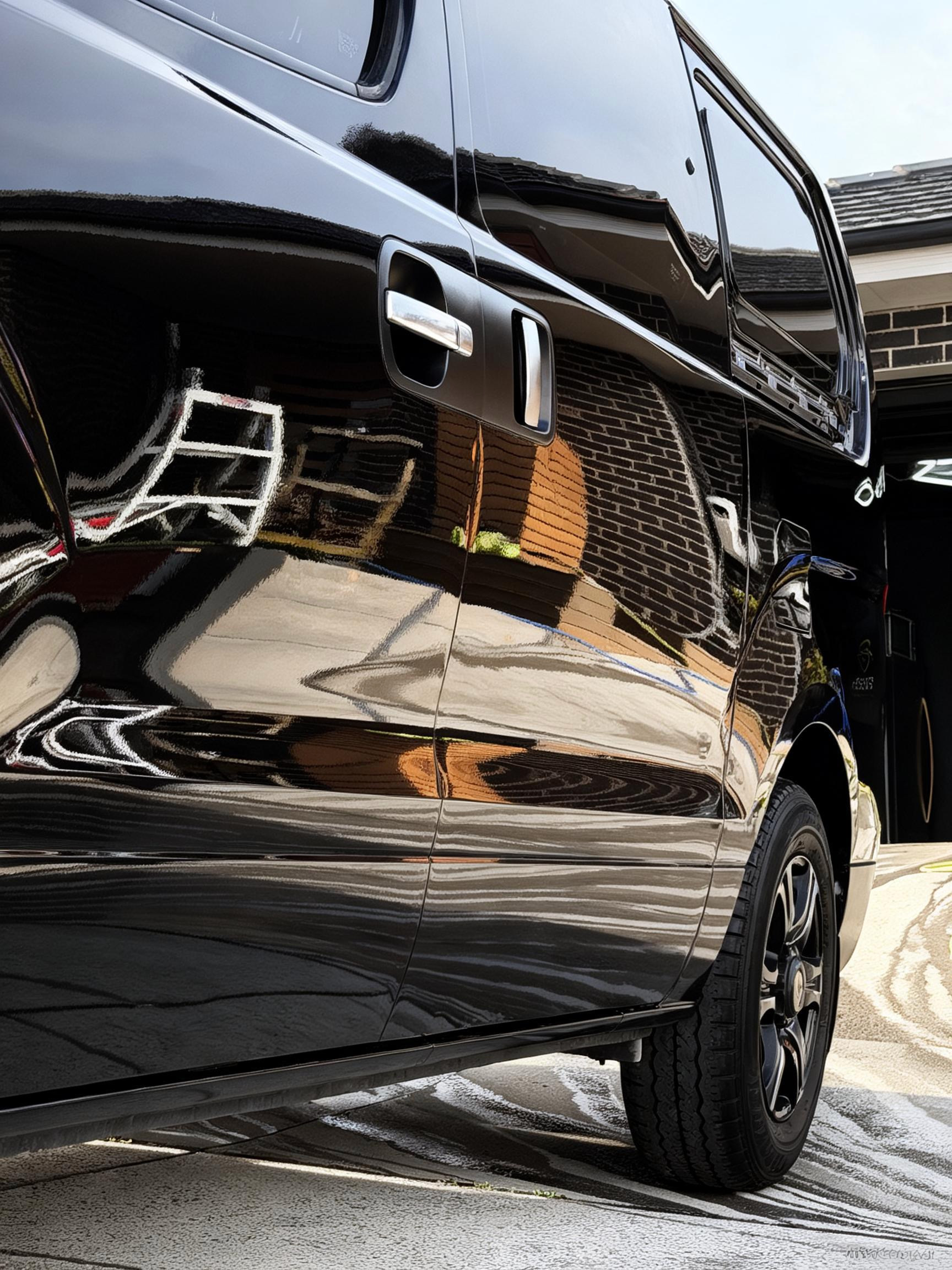


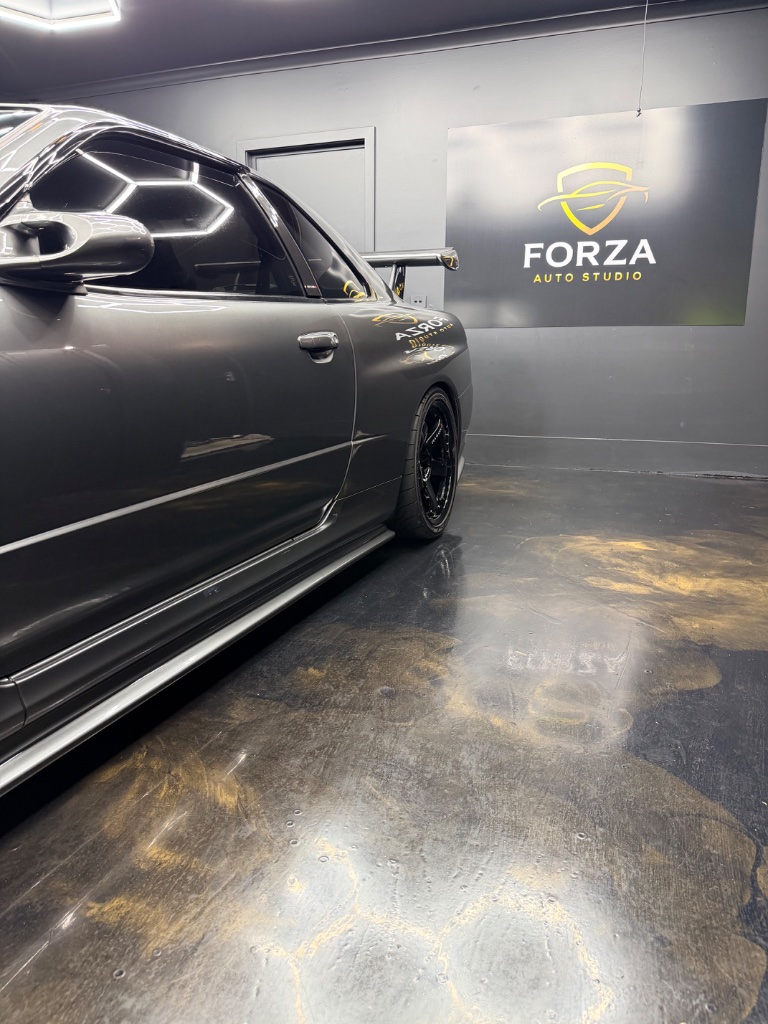
A vehicle can look freshly washed yet still feel noticeably gritty when you run your hand across the bonnet, roof or upper doors. If you are asking, “why does paint feel rough?”, the answer is usually not that the clear coat has suddenly failed. More often, microscopic contaminants have bonded to the paint surface and ordinary washing cannot shift them.
That roughness matters because contamination affects more than touch. It can reduce gloss, make drying less satisfying, interfere with protection and leave the finish looking less clear in direct sunlight. The good news is that, in many cases, the paint can be safely returned to a smooth finish through a considered decontamination process.
Why does paint feel rough after washing?
Shampoo is designed to remove loose traffic film, dust, mud and fresh grime. It does not necessarily remove particles that have embedded into, or chemically bonded with, the clear coat. These particles can be smaller than a grain of sand, but there may be thousands of them spread across the vehicle.
The paint can therefore look clean from a few metres away while feeling coarse under your fingertips. Owners often first notice it after a careful wash, particularly when drying the car with a quality microfibre towel. The towel may feel as though it is dragging rather than gliding over the surface.
Paint is not perfectly flat at a microscopic level, and neither is contamination. When bonded fallout sits on the surface, it interrupts the smoothness that helps light reflect cleanly. This is one reason a vehicle can appear duller or less crisp even when its colour still looks healthy.
The most common causes of rough vehicle paint
Industrial fallout and embedded iron particles
Brake dust, rail dust, industrial fallout and airborne metallic particles are common sources of bonded contamination. Hot metal particles can settle on paintwork and oxidise, becoming anchored to the clear coat. This is especially common around lower doors, rear panels and wheel arches, although the horizontal surfaces are not immune.
In Canberra and surrounding NSW, vehicles used regularly on main roads, parked near rail corridors, construction activity or exposed car parks can collect fallout without the owner noticing. It is not limited to older vehicles or neglected paintwork. A new car can develop contamination surprisingly quickly depending on where and how it is used.
A dedicated iron remover can react with ferrous particles and help dissolve them safely. However, it is a chemical stage rather than a complete solution. It will not remove every type of bonded material.
Tree sap, bug residue and environmental deposits
Tree sap can leave paint feeling uneven, particularly after it has baked in the sun. Insects, bird droppings and organic residue can also leave behind stubborn deposits. The risk is not only texture. Some of these contaminants can mark or etch the clear coat if they remain in place for too long.
Hard-water spotting is another frequent issue. As water evaporates, mineral deposits remain behind. Fresh spots may feel raised and rough, while older spots can etch into the surface. Etching requires a different response to surface contamination, and may need paint correction rather than decontamination alone.
Overspray and paint mist
A rough finish that appears suddenly after nearby building work, road marking, landscaping or vehicle repairs may be overspray. Fine paint mist can travel further than expected and settle across glass, plastics, trim and painted panels. It often feels like a fine, uniform sandpaper texture.
Overspray should be assessed carefully before anyone reaches for an abrasive product. The correct removal method depends on what has landed on the vehicle, how long it has been there and the condition of the paint underneath. Aggressive rubbing can create scratches and swirl marks that were not present before.
Road tar and rubber deposits
Tar spots tend to be more localised than fallout. You may feel them along lower sills, behind the wheels and around the rear bumper, especially after wet-road driving or roadworks. They can feel sticky, raised or slightly hard depending on age.
These deposits are best softened with an appropriate tar remover, then gently rinsed away. Trying to pick them off with a fingernail or scrub them with a towel risks marring the clear coat.
Roughness is not always contamination
Not every textured finish can be removed. Orange peel, for example, is a waviness in the paint or clear coat itself. It changes the way reflections appear, but it does not usually feel gritty in the same way as bonded fallout. It is a characteristic of how the paint was applied, not a layer sitting on top.
Paint defects such as scratches, swirl marks, oxidation and water-spot etching are also different problems. A surface may feel smooth but still look hazy under workshop lighting. Conversely, a contaminated car may retain good gloss but feel rough to touch. Proper inspection separates these issues so the treatment suits the actual condition of the vehicle.
This distinction is important because paint correction is designed to refine defects within the clear coat. It is not the first step for a contaminated surface. Decontamination should normally happen before correction so the paint can be evaluated accurately and polished safely.
How to check whether the paint is contaminated
After washing and drying the vehicle, lightly run clean fingertips across a panel with minimal pressure. The bonnet, roof and upper door sections are useful places to start. If the paint feels gritty, prickly or uneven, bonded contamination is likely.
For a more sensitive check, place your hand inside a clean, thin plastic bag and gently glide it over the paint. The plastic amplifies texture, making contamination easier to detect. Use this only on a clean vehicle. Sliding anything across dirty paint can cause fine scratches.
Look at the result panel by panel. It is common for the roof and horizontal surfaces to feel worse than the vertical panels because they receive more direct exposure to fallout, water deposits and airborne residue.
The safe route to smooth paint
A professional decontamination process usually begins with a thorough pre-wash and contact wash to remove loose dirt. Chemical decontamination then targets iron particles, tar and other soluble deposits. Only after those stages is mechanical decontamination considered.
Mechanical decontamination may involve a clay bar, clay mitt or synthetic clay towel used with ample lubrication. It can be highly effective, but it is not a casual shortcut. Clay can remove contamination while also creating light marring, particularly on soft paint, heavily contaminated panels or paint that has not been properly cleaned first.
That is why the best process depends on the vehicle. Sometimes a gentle chemical treatment delivers most of the improvement. Other times, careful clay work is required, followed by a light paint enhancement to restore gloss and clarity. For paint with deeper swirl marks, scratches or etched spotting, multi-stage paint correction may be the appropriate next step.
Why protection works better on a smooth surface
Once contamination has been removed and any necessary correction completed, protection can be applied to clean, properly prepared paint. A ceramic coating does not make a car immune to dirt, water spots or future contamination, but it can make routine washing easier and help keep the finish looking cleaner between maintenance washes.
Preparation remains the determining factor. Applying protection over bonded contamination locks in a compromised surface and limits the visual benefit. A smooth, refined finish gives the coating the best foundation and gives the owner a more satisfying result when washing and drying the vehicle.
At Forza Auto Studio, the appropriate approach is determined through inspection rather than a fixed process. Paint thickness, paint softness, contamination levels, existing protection and the owner’s intended use all influence whether the vehicle needs decontamination alone, gloss enhancement or more involved paint correction.
Avoid turning roughness into scratches
Do not use household scourers, rough sponges, dry clay, abrasive polishes or excessive pressure to chase a smooth feel. These methods can replace removable contamination with unnecessary scratches and swirl marks. Similarly, avoid treating every rough patch as though it is tar or overspray without identifying it first.
Regular, careful washing helps limit how much contamination builds up, but no wash method prevents all environmental fallout. Checking the paint by touch a few times each year is a practical part of long-term vehicle preservation, particularly before applying a wax, sealant or ceramic coating topper.
A rough finish is often the paintwork telling you it needs more than a wash, not that it needs drastic action. Address the surface methodically, protect it once it is properly prepared, and the gloss, clarity and ease of maintenance will follow.